Garage Doors in Kenilworth, OntarioReady for thelisting photos.
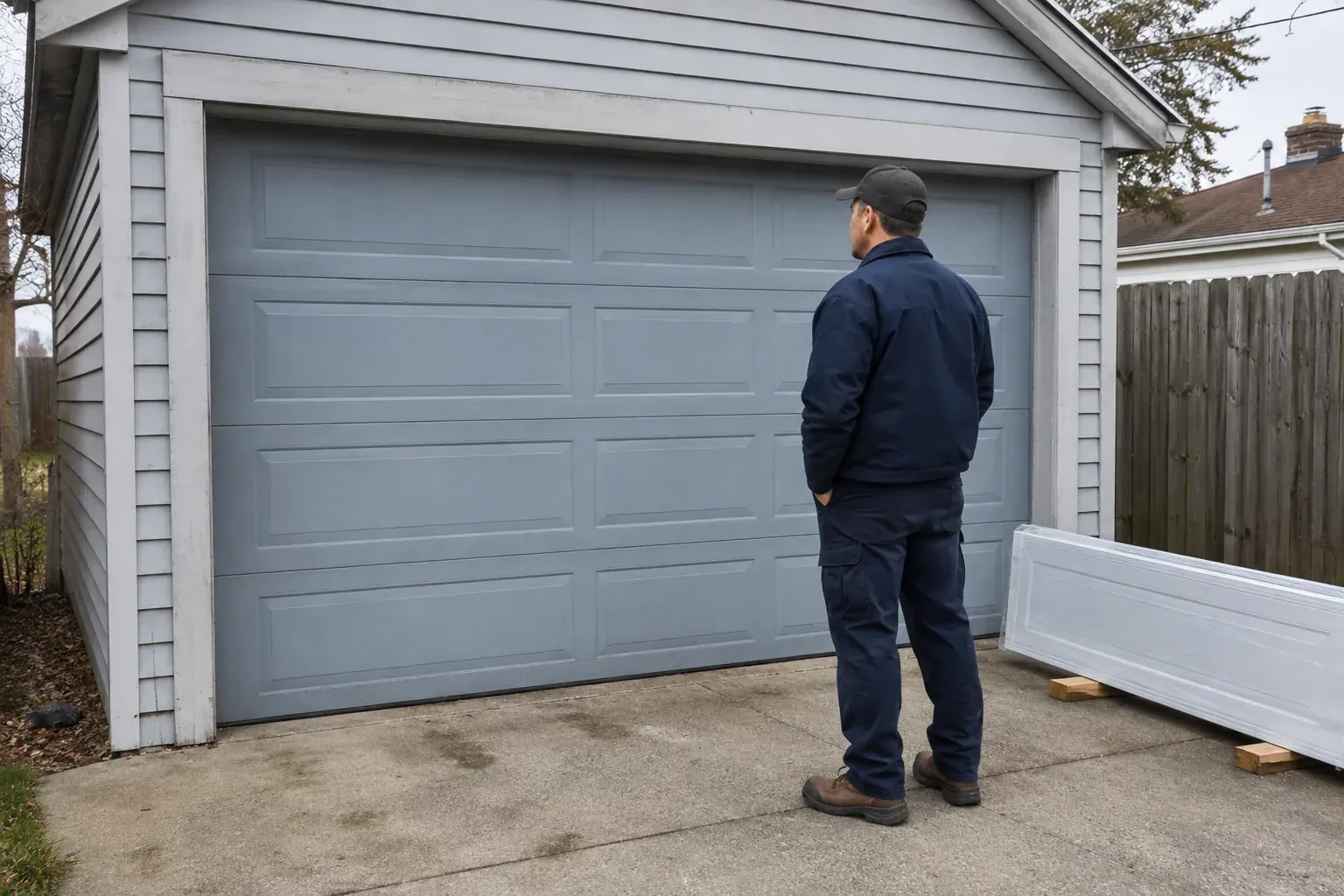
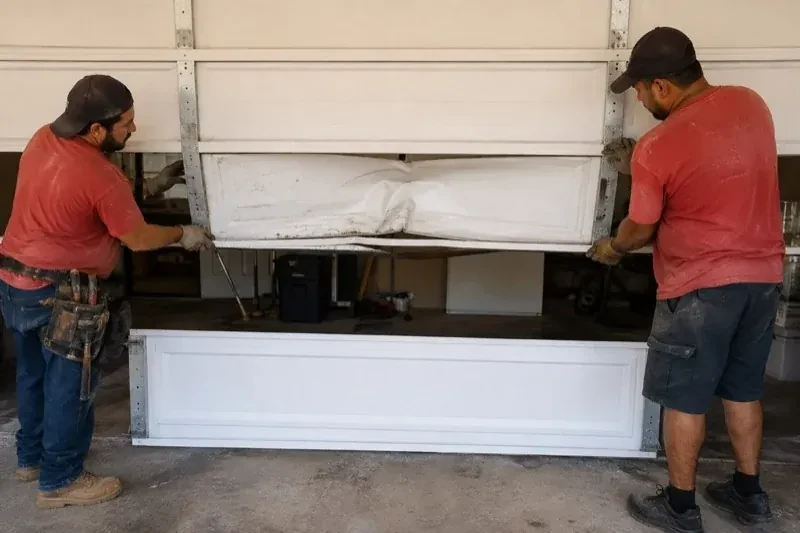
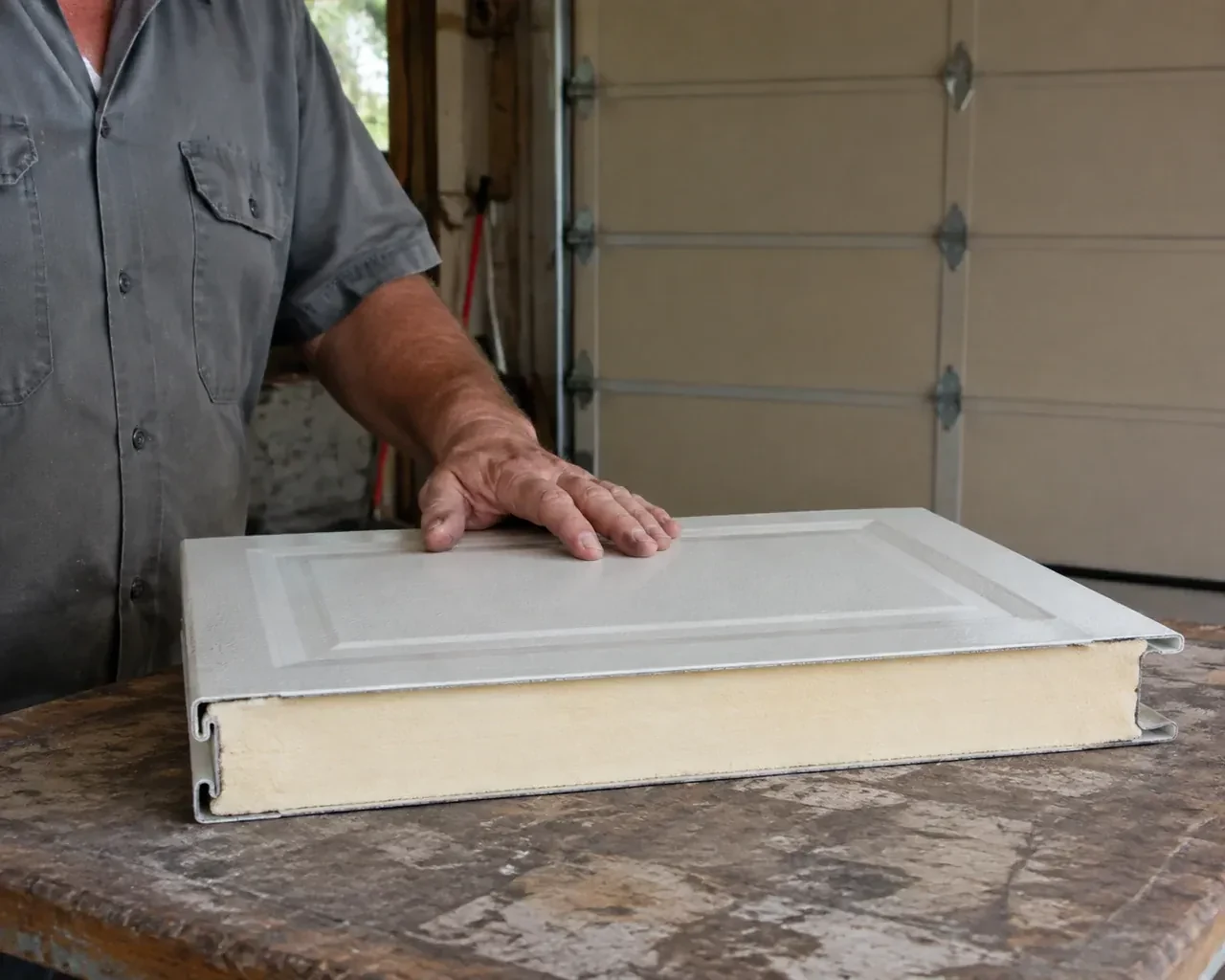
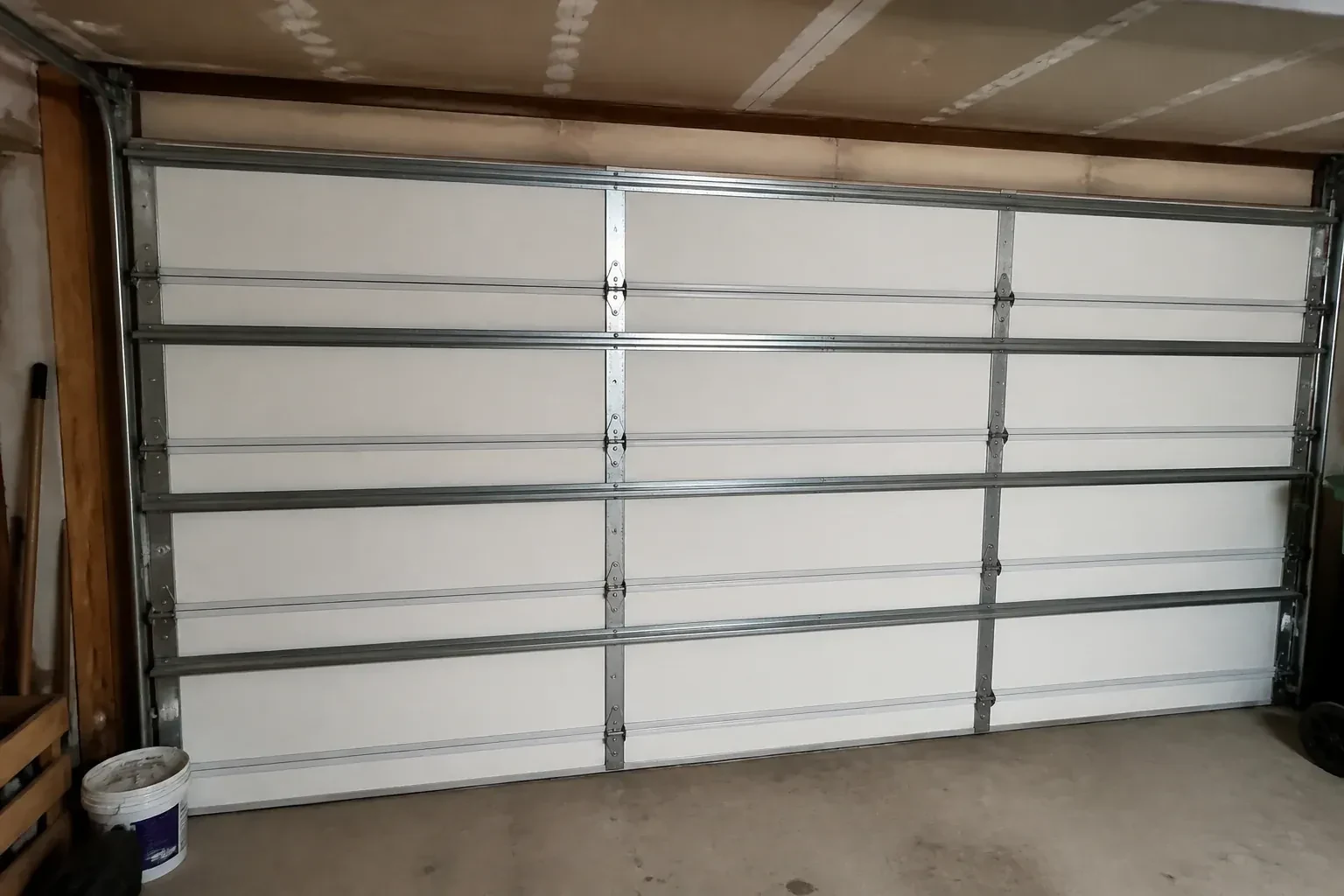
Selling a house in Kenilworth puts the garage door front and centre in every photograph. We straighten, tune and quiet the existing door, replace tired weatherstrip and worn hardware, or fit a new door in a style that lifts the whole front of the home before the first showing. Nearby, we also work in Riverbank, Farewell, Mount Forest, Olivet, Petherton, Riverstown and Wagram.
Selling a house in Kenilworth puts the garage door front and centre in every photograph. We straighten, tune and quiet the existing door, replace tired weatherstrip and worn hardware, or fit a new door in a style that lifts the whole front of the home before the first showing. Nearby, we also work in Riverbank, Farewell, Mount Forest, Olivet, Petherton, Riverstown and Wagram.
Honest advice, steady hands.
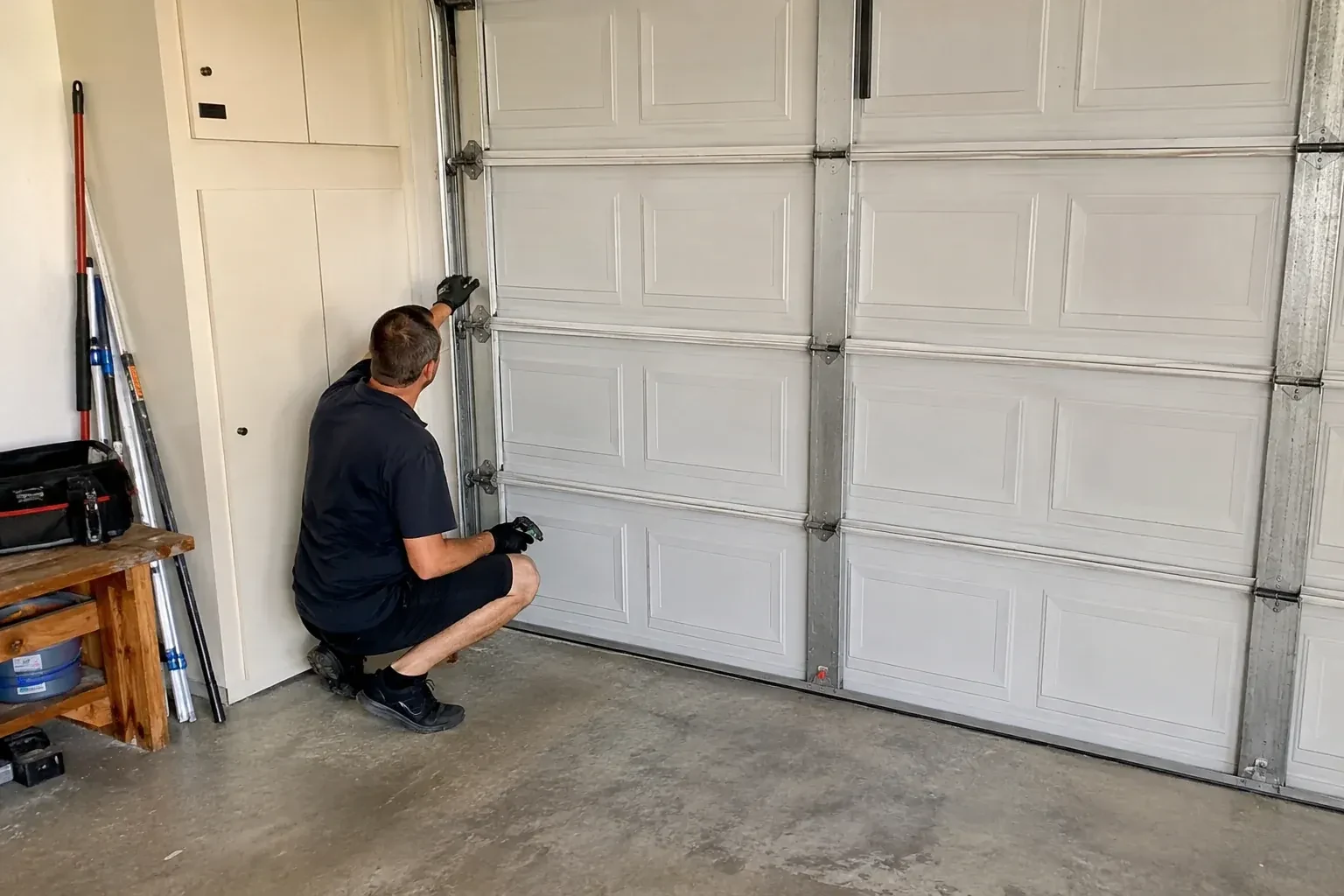
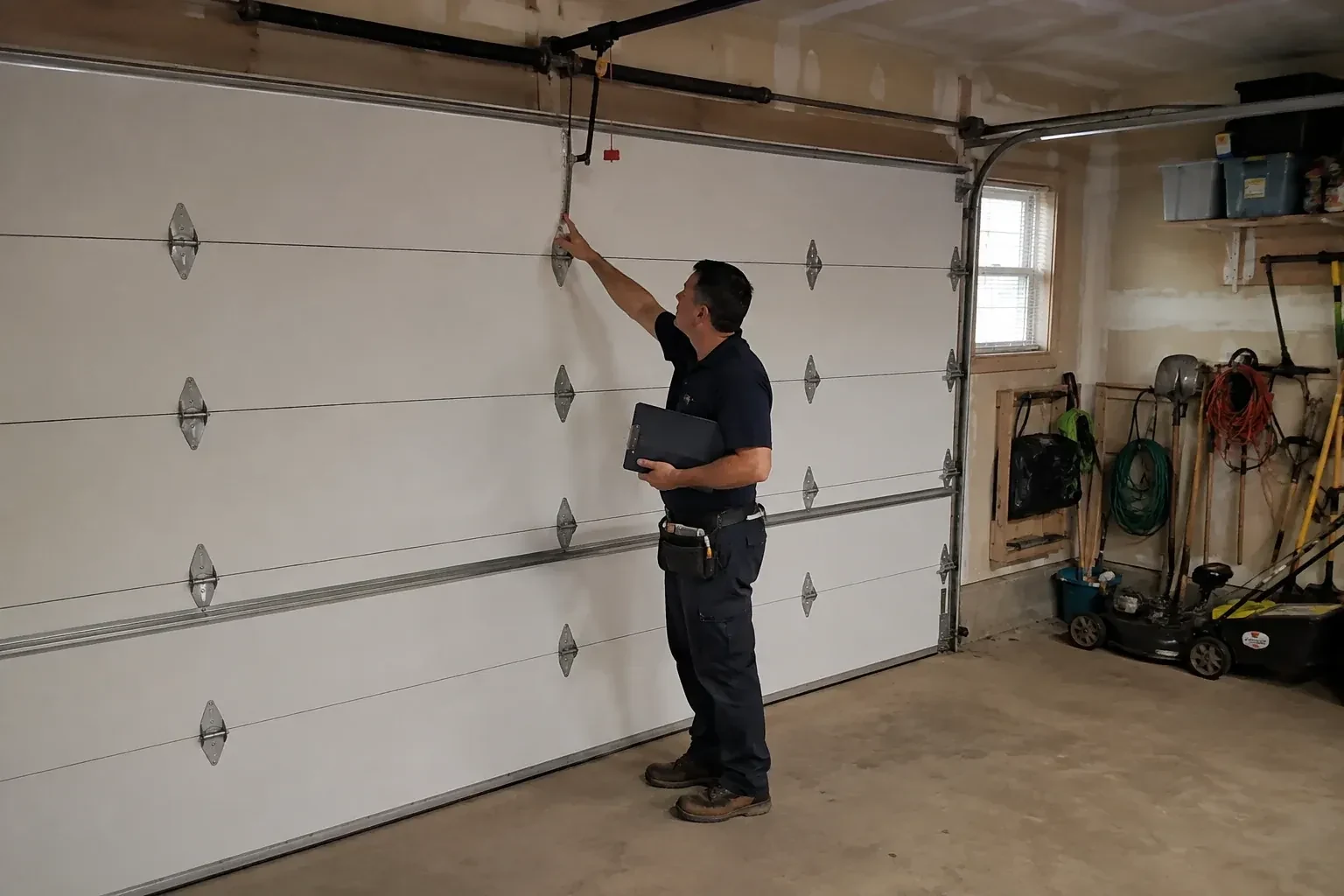
For homeowners in Kenilworth, the visit begins with questions rather than tools: when did the door change, what does it sound like, does the wall button behave differently from the remote? Those answers point the technician to the right part, and the assessment that follows confirms it before any price is discussed.
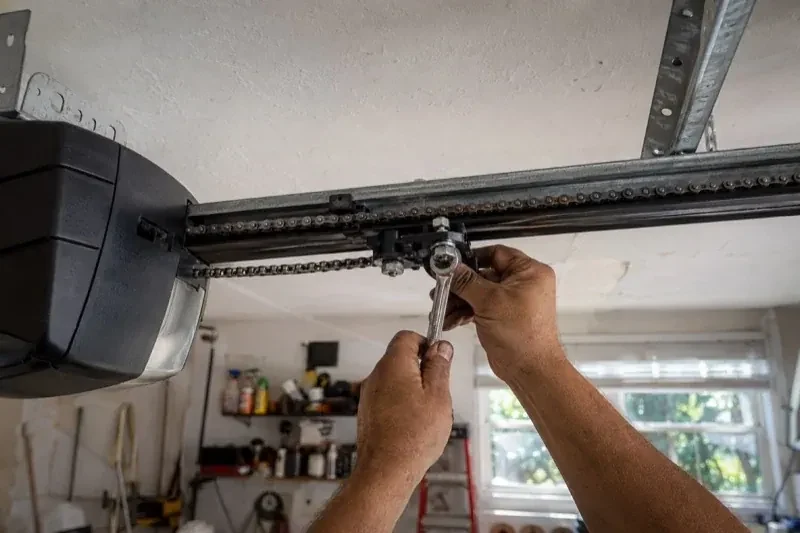
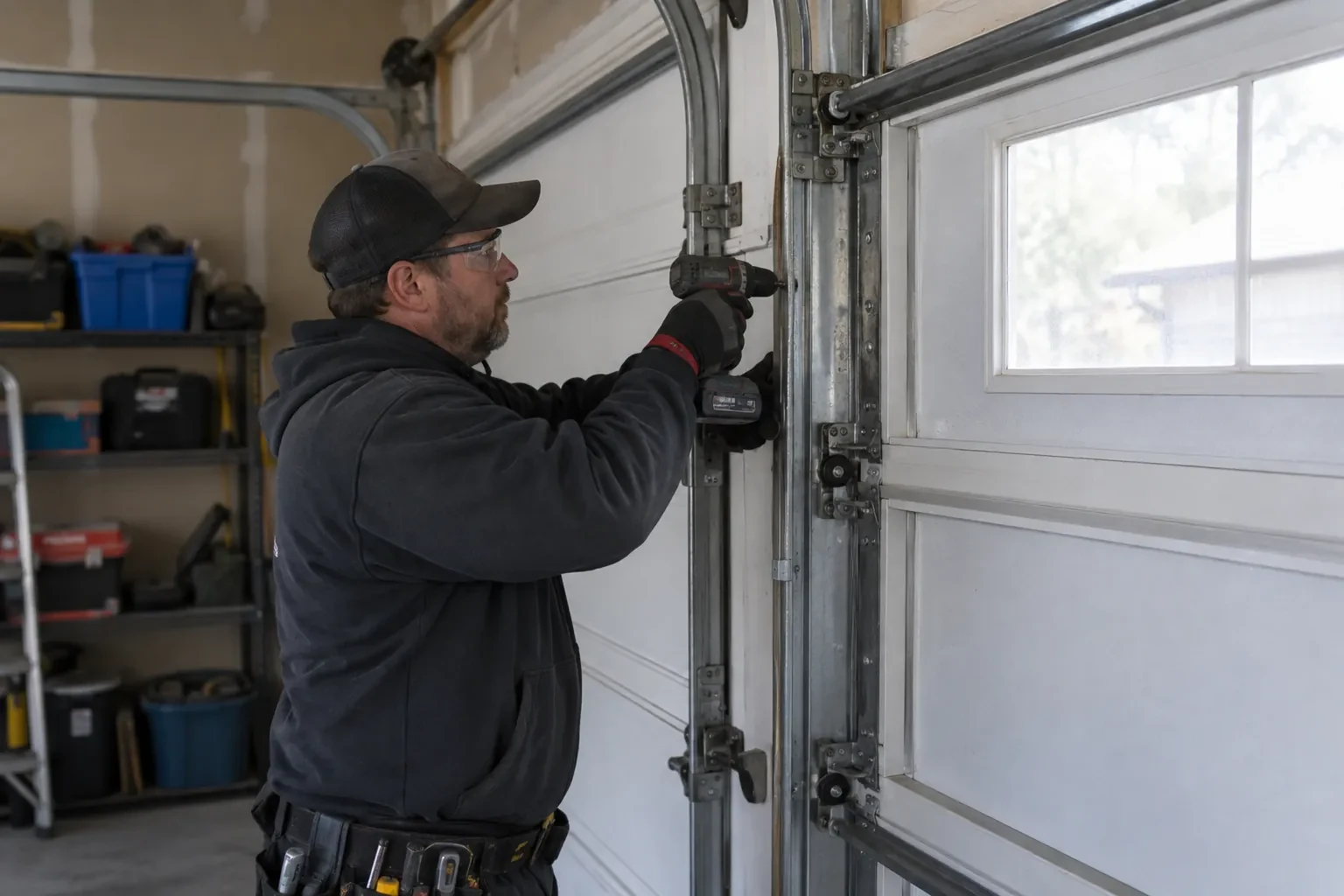
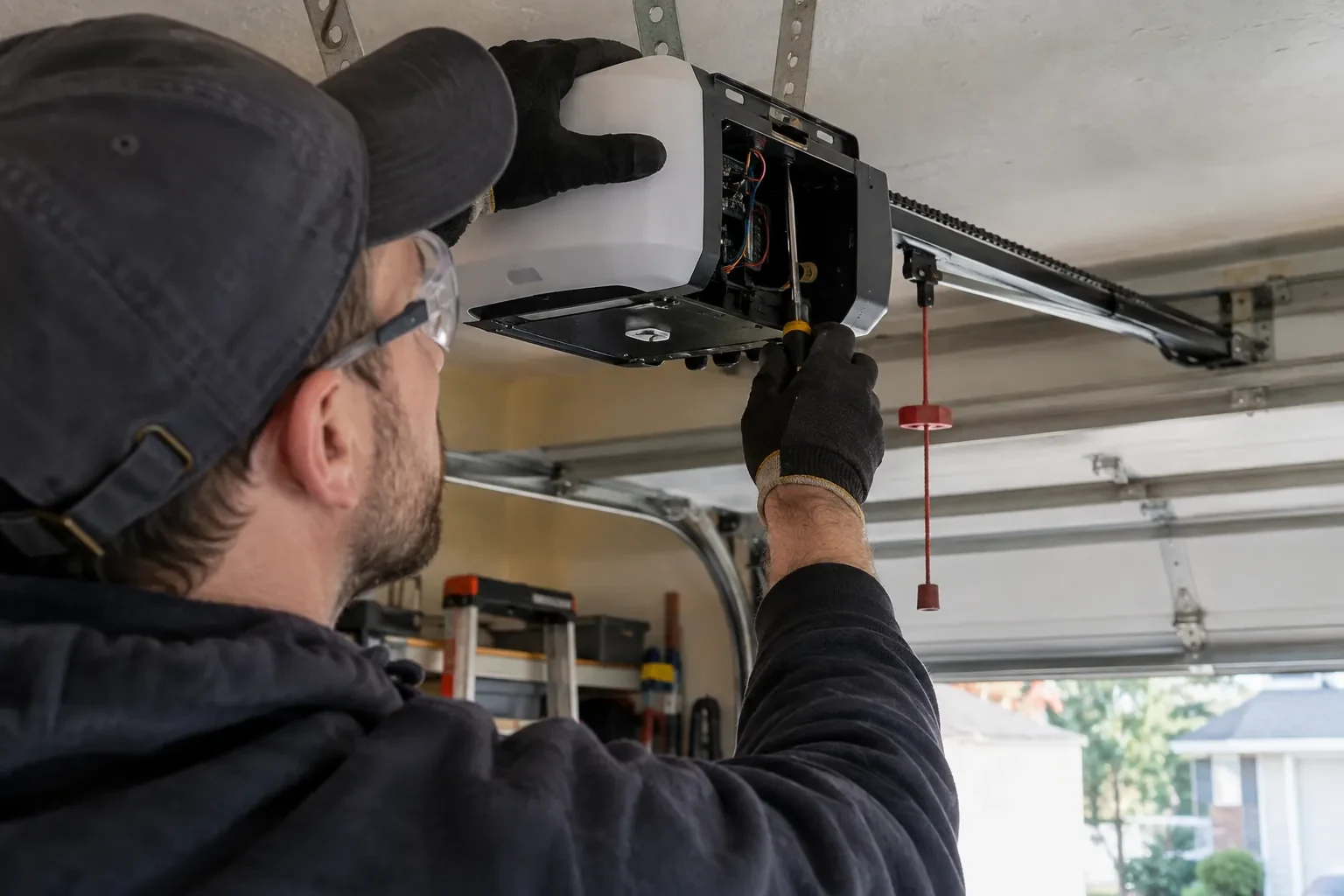
Garage doors in Kenilworth see the same hard winters as the rest of the region, and our technicians visit the neighbourhood often enough to know what that does to springs, seals and rollers. Whether your door has stopped lifting, started making a new noise or is due for a replacement, we come out with a stocked van, look at the whole door, and explain what we find before any work begins.
21years in business
24/7open every day
Explanation before action. You will know what is worn, why it failed and what the options are before a single bolt is turned. Questions are welcome at every step.
A tidy garage. Drop cloths where needed, old parts bagged, floor swept. We leave the space as we found it, only with a working door.
Choices, not pressure. If a repair will do, we say so. If a replacement makes more sense, we explain why and let you decide.
Set up a visit to your home or business in Kenilworth.
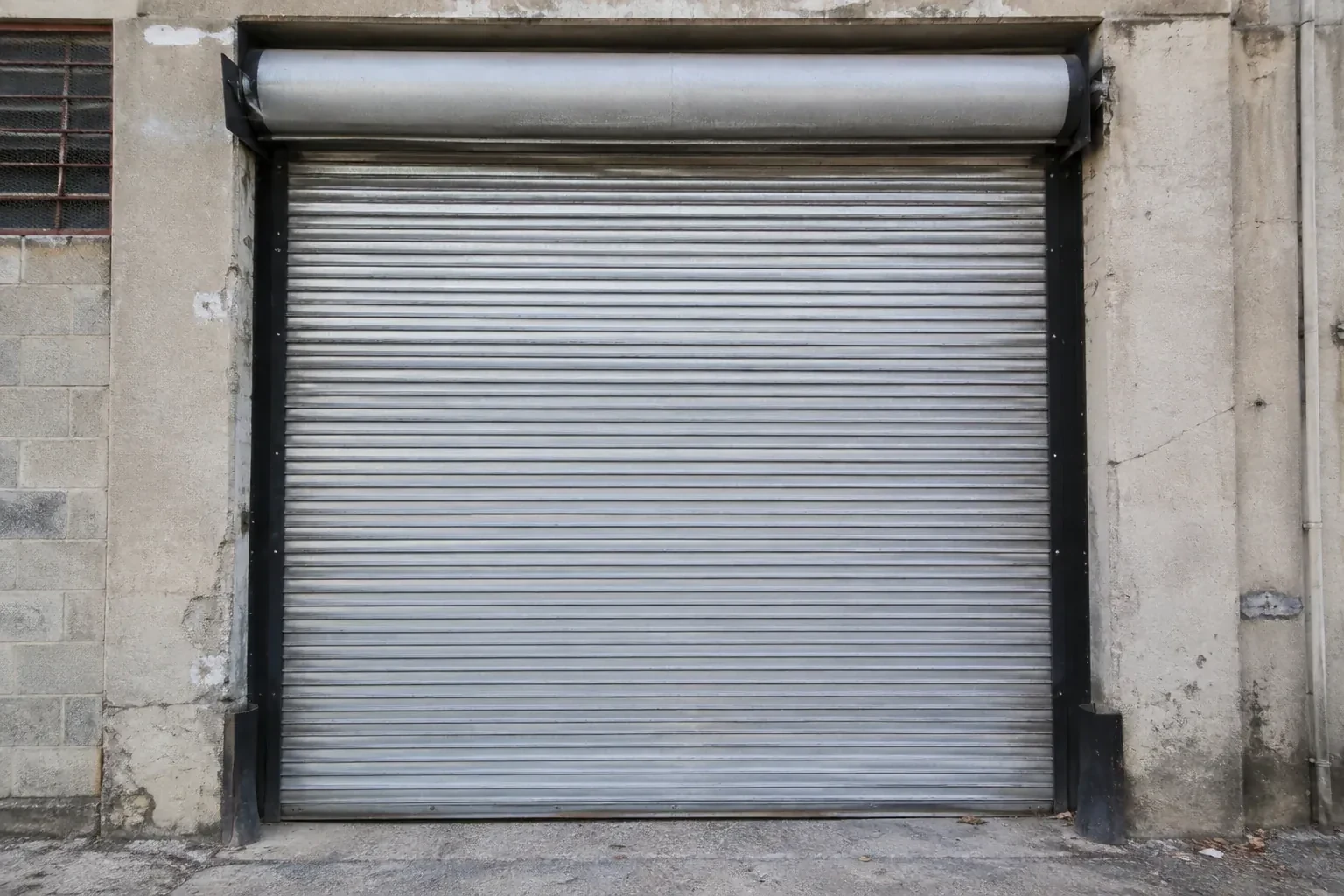
Shops, warehouses and service bays in Kenilworth have their own list: rolling steel doors, heavy sectional doors, industrial operators, safety edges and high-cycle springs. Alongside our residential work, we service and replace all of these and can set up a maintenance schedule that fits your operating hours.
About 56% of homes in Wellington North were built in 1980 or earlier, according to the 2021 Census.
Older homes
Decades of freeze and thaw work on the concrete apron in front of an older garage, and an uneven floor means the bottom seal meets a gap on one side. A thicker seal or an adjusted threshold closes it and keeps snow and cold air out.
Single-detached houses make up about 75% of homes in Wellington North (2021 Census).
Mostly houses
Detached houses often have a room over the garage, a bedroom or an office, which makes the garage door part of the heated envelope. An insulated door, snug weatherstrip and a fresh bottom seal keep that room comfortable and the furnace from working overtime in winter.
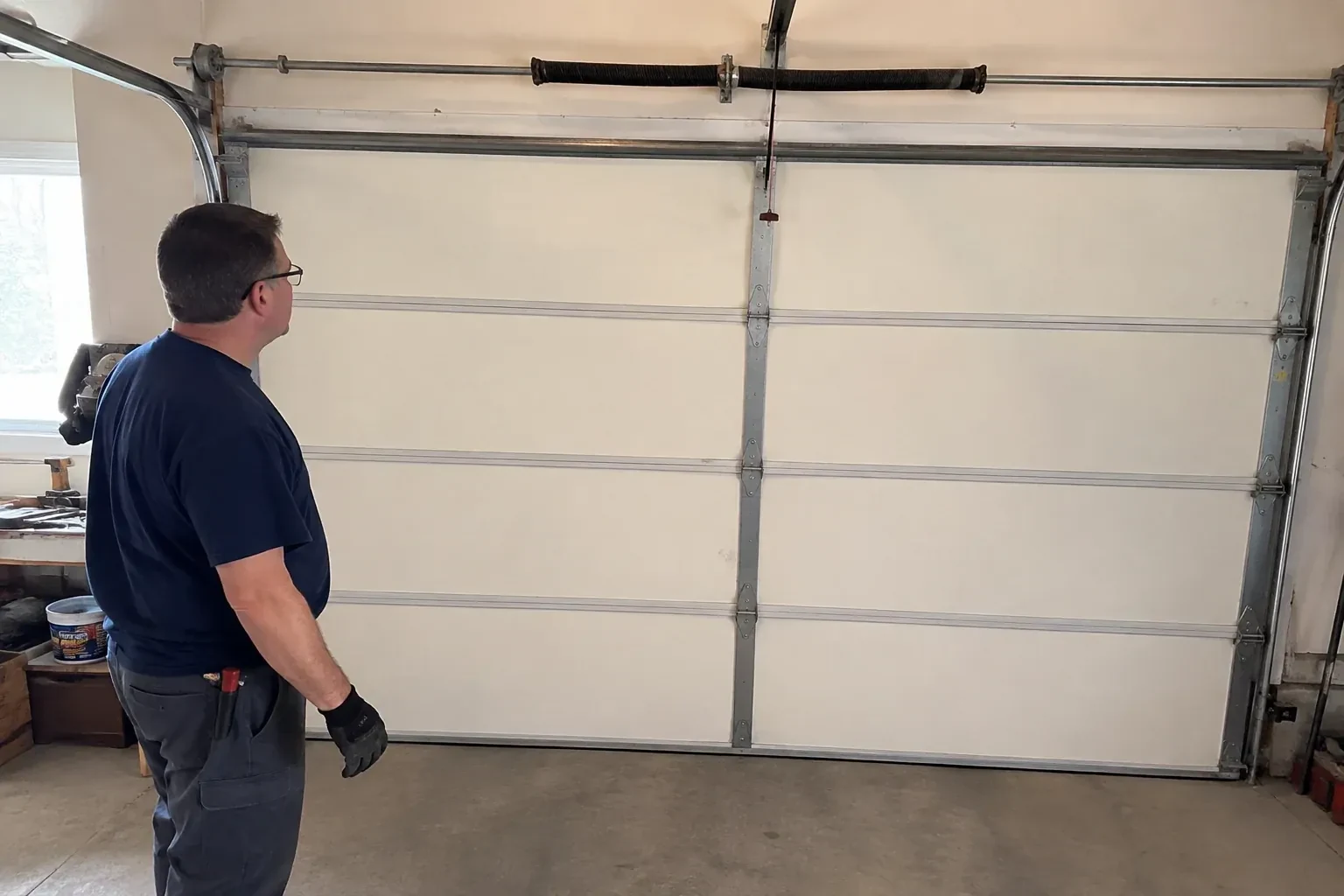
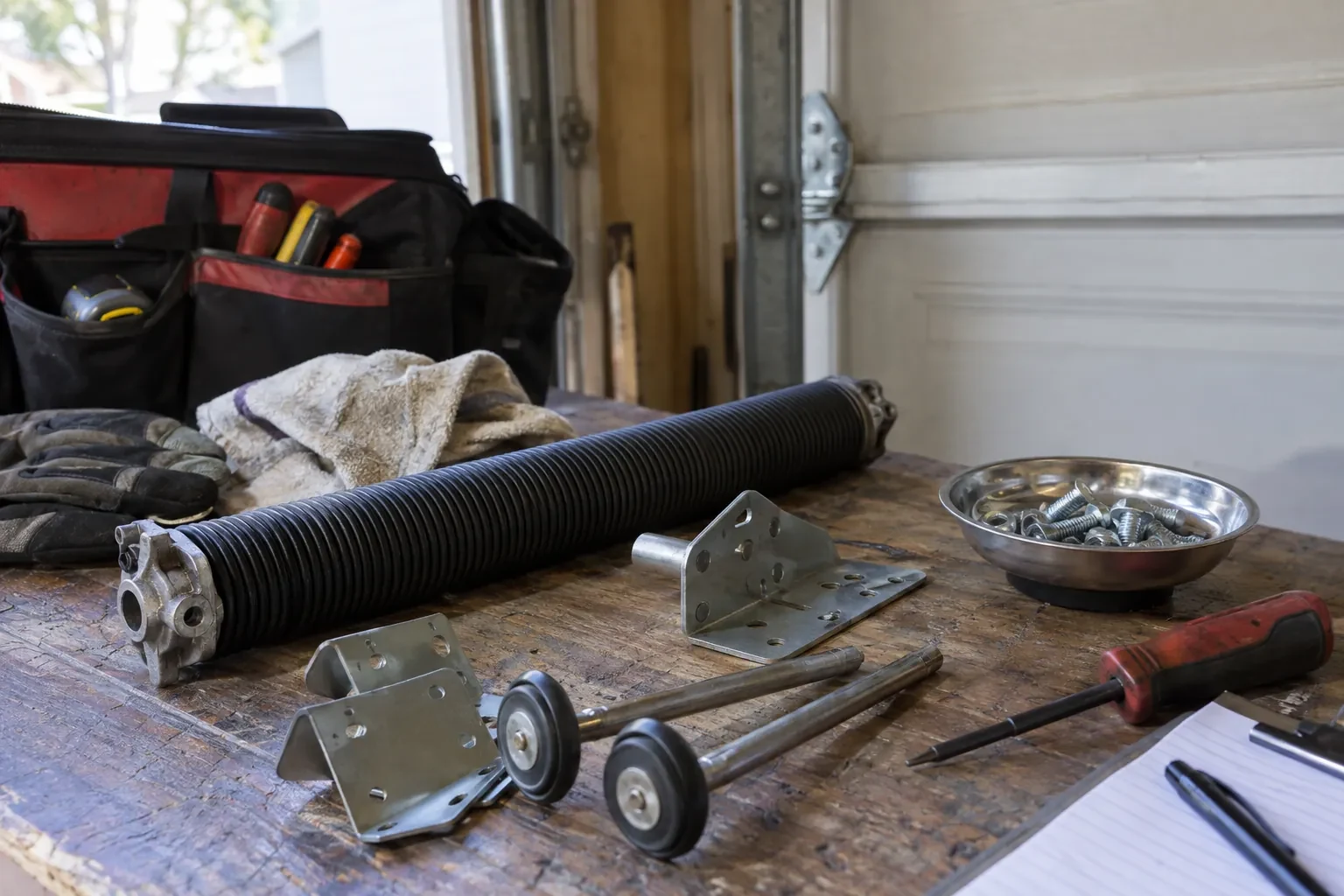
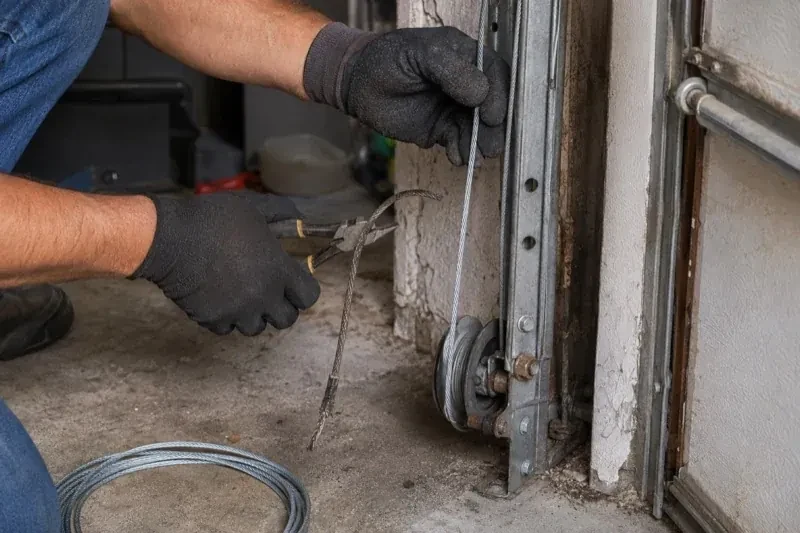
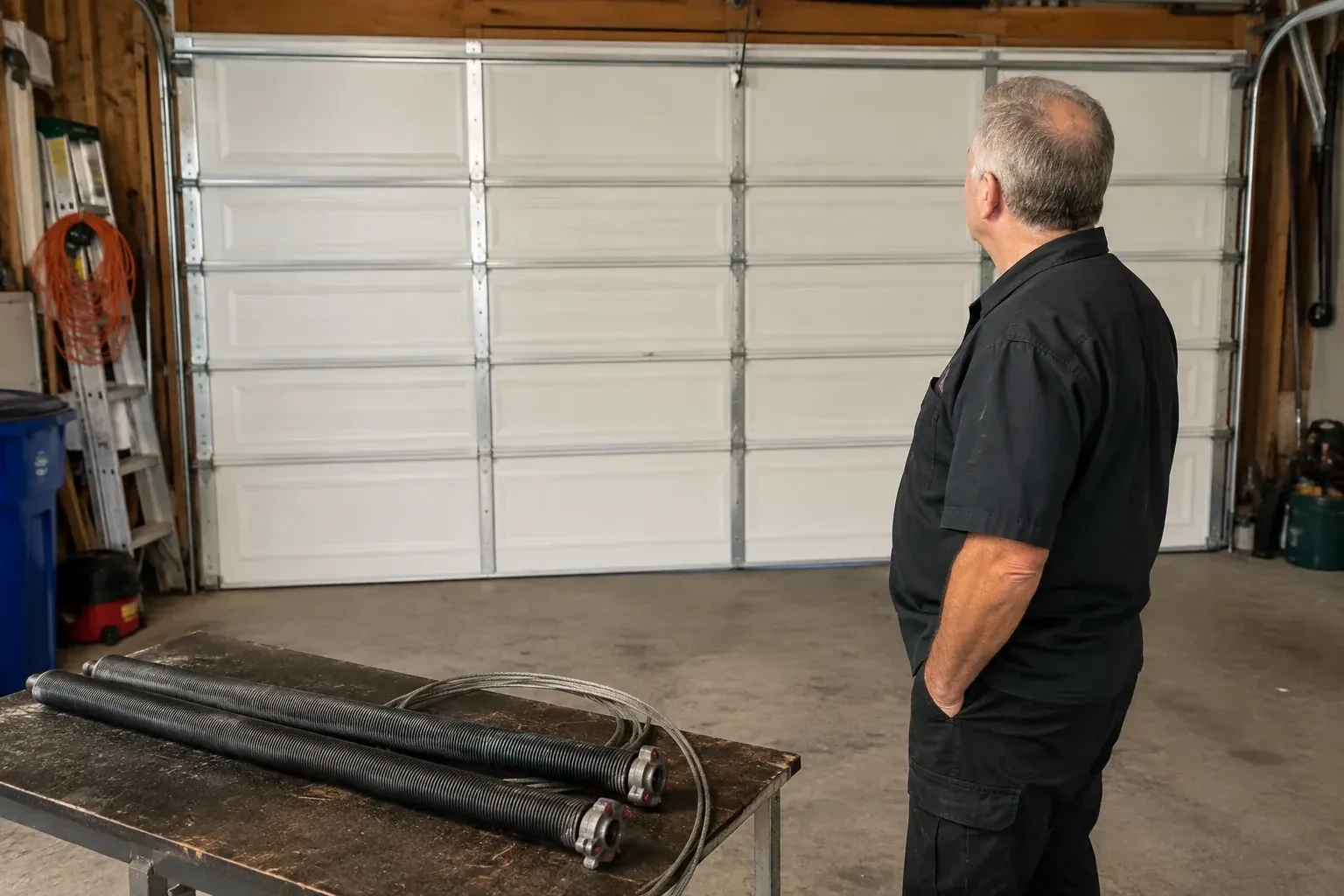
Extension and torsion systems fail differently. A torsion spring breaks with a bang and leaves a visible gap in the coil; an extension spring stretches, sags or snaps at the hook. We work on both and know the signs of each.
An installation ends with a walk-through. We show you the emergency release, the wall console, how to pair the remotes and what a balanced door feels like when you lift it by hand, so you know your door from day one.
It is a January morning and the door lifts about a hand's width, groans, and settles back down. When you pull the release and try by hand the door feels far heavier than it used to, and the bottom seal is stuck hard to the slab.
The door opens about a third of the way and stops. Turning the limit screw on the head has made no difference, and the trolley seems to sit in the wrong place along the rail when the door is fully closed.
The belt looks fine from a distance, but up close the rubber has cracked across the back in dozens of places and, in one spot, you can see the steel cords showing through.
Since the storm the door behaves oddly: it reverses halfway down for no reason, the light flickers, and the travel limits drift so it either slams or stops short. The board inside is discontinued and the last repair only bought a few months.
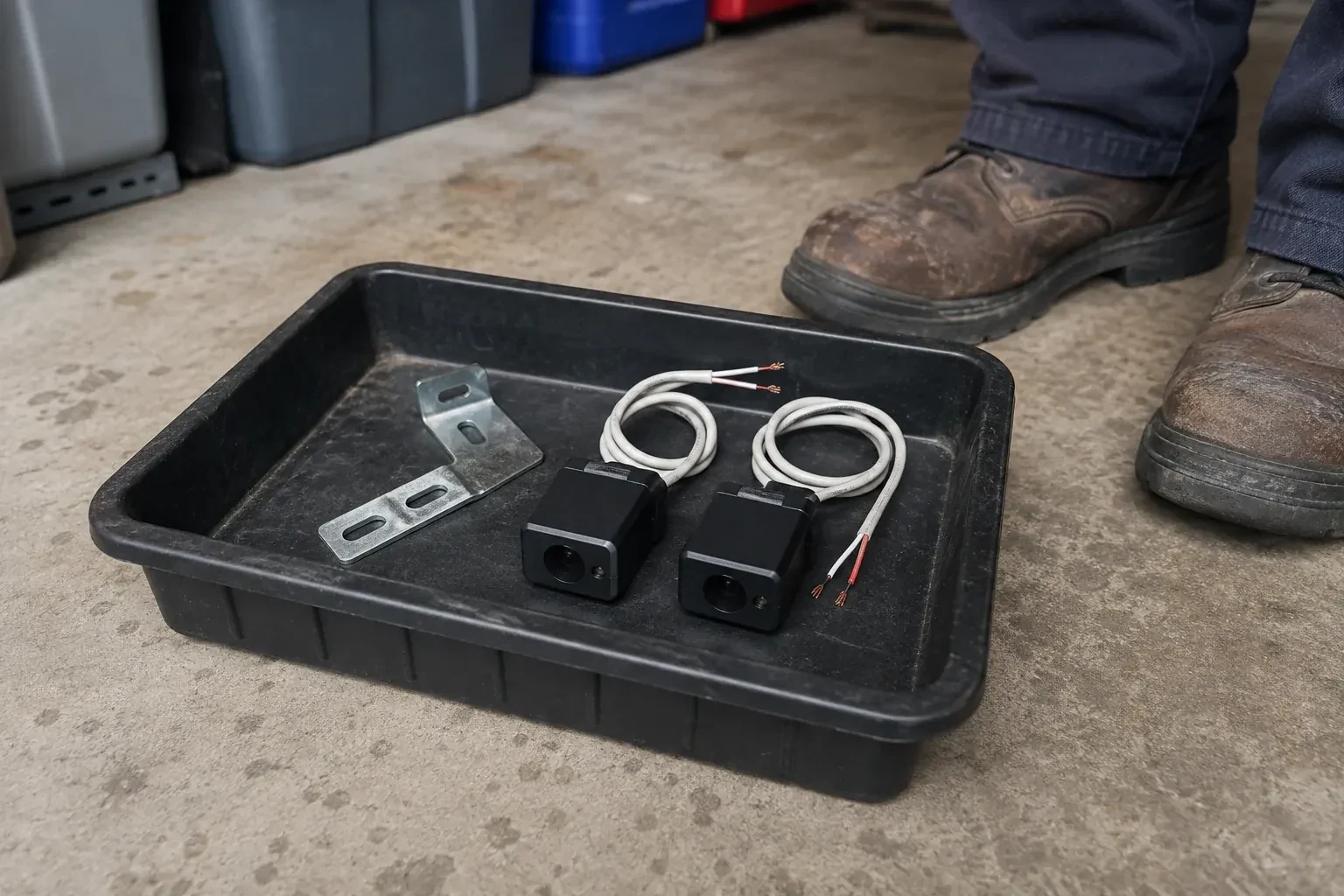
Someone backed the car in a little too far, a bin or a bicycle brushed the track, and since then the door starts to close and comes back up. One sensor now sits at a slightly different angle from the other.
It is the coldest morning of the year. A week of slush and road salt has crusted over the outside release lock, the key will not seat, and the opener inside is silent after the overnight outage.
Which fix fits?
After a windy night there is a fine ridge of snow on the garage floor along one side of the door, and another across the top step.
WhyTwo small sensors face each other across the doorway: one sends an infrared beam, the other receives it.
There is a wireless symbol printed on the opener above the car, and the manual mentions an app, but the head unit has never been connected to anything.
WhyBy the end of the visit your phone shows the door's true state, updates within a few seconds of any movement, and keeps a history of every open and close with the time, and the user when the command came from a signed-in app or virtual key.
Your renovation changes how the ceiling space will be used.
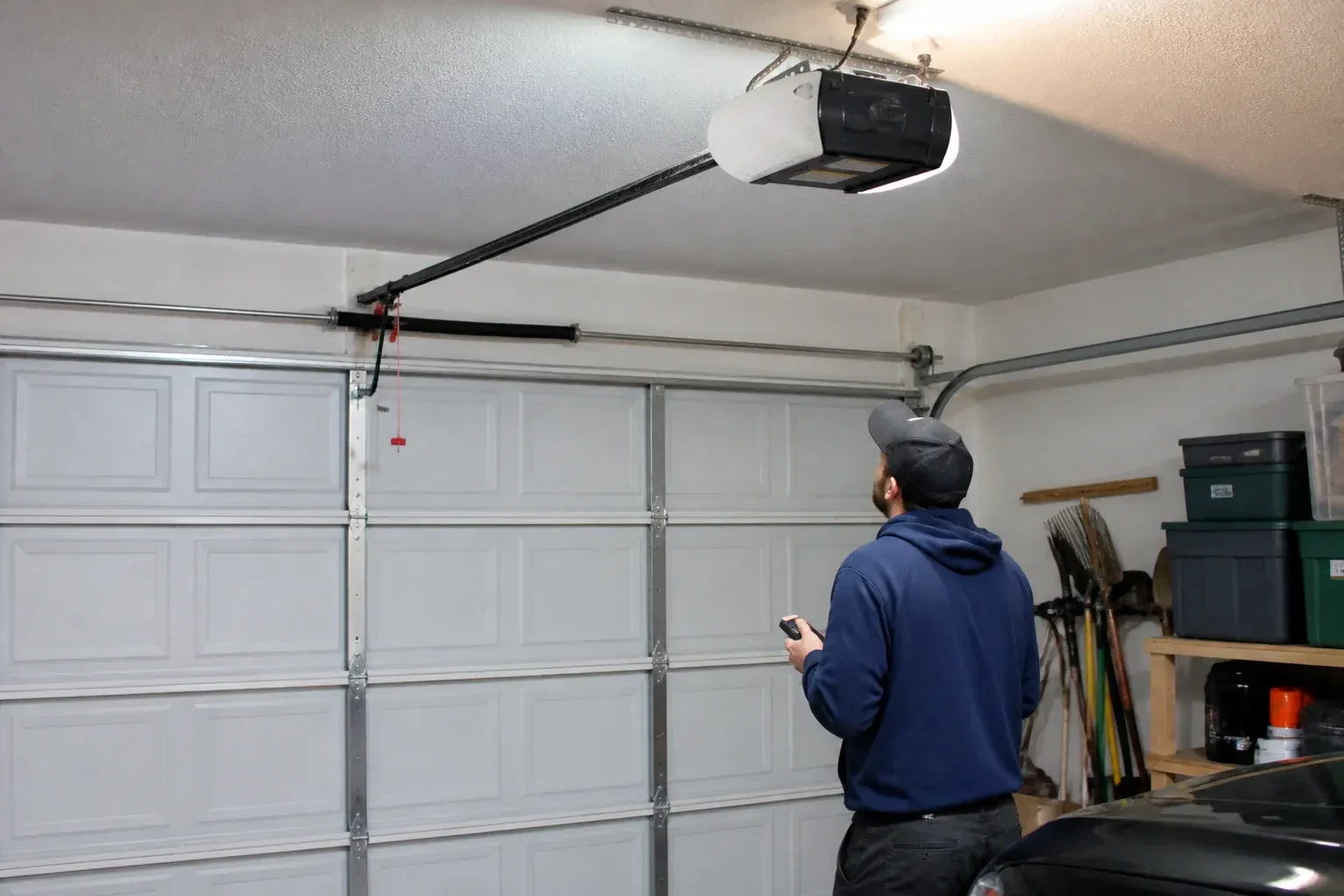
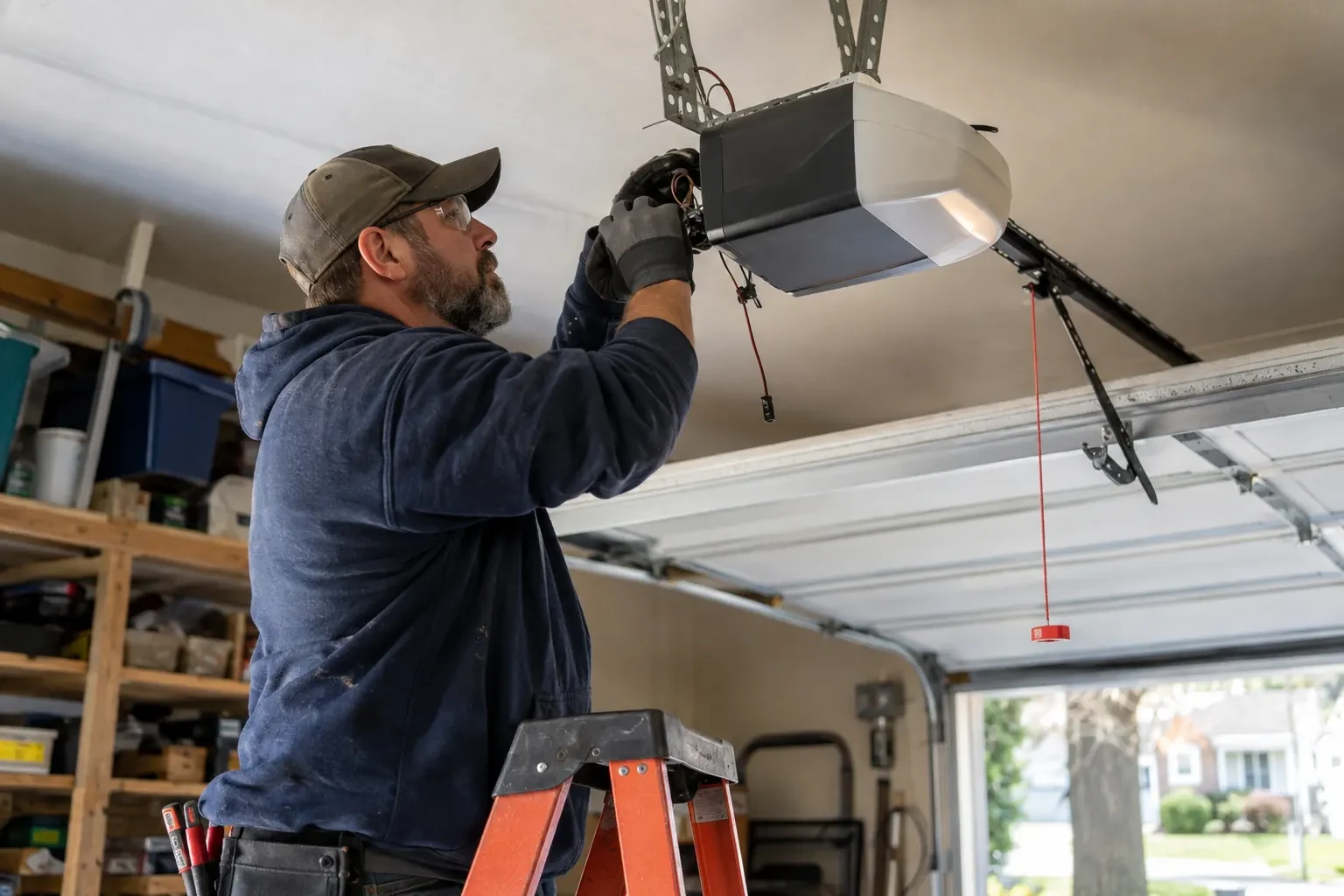
WhyThe opener deserves as much attention as the track.
An entrance. Not an afterthought.
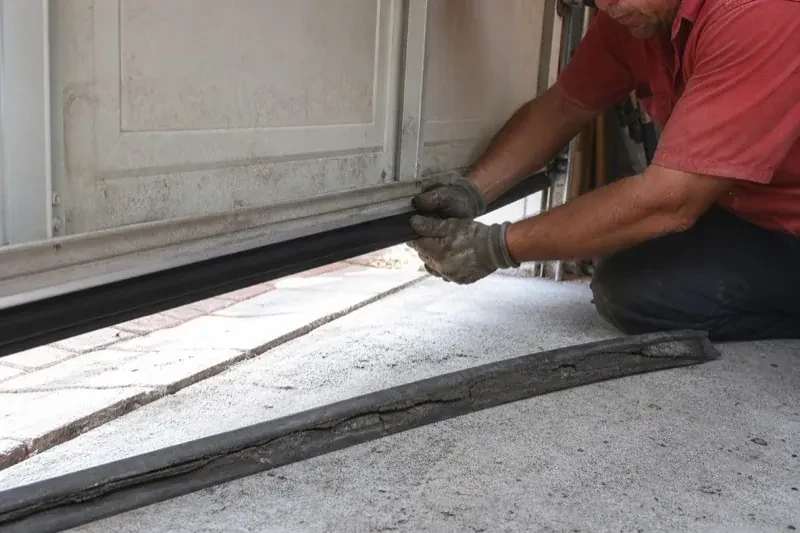
1/10Garage Door Perimeter Weatherstrip
After a windy night there is a fine ridge of snow on the garage floor along one side of the door, and another across the top step. The door was shut the whole time; the snow came in around it.
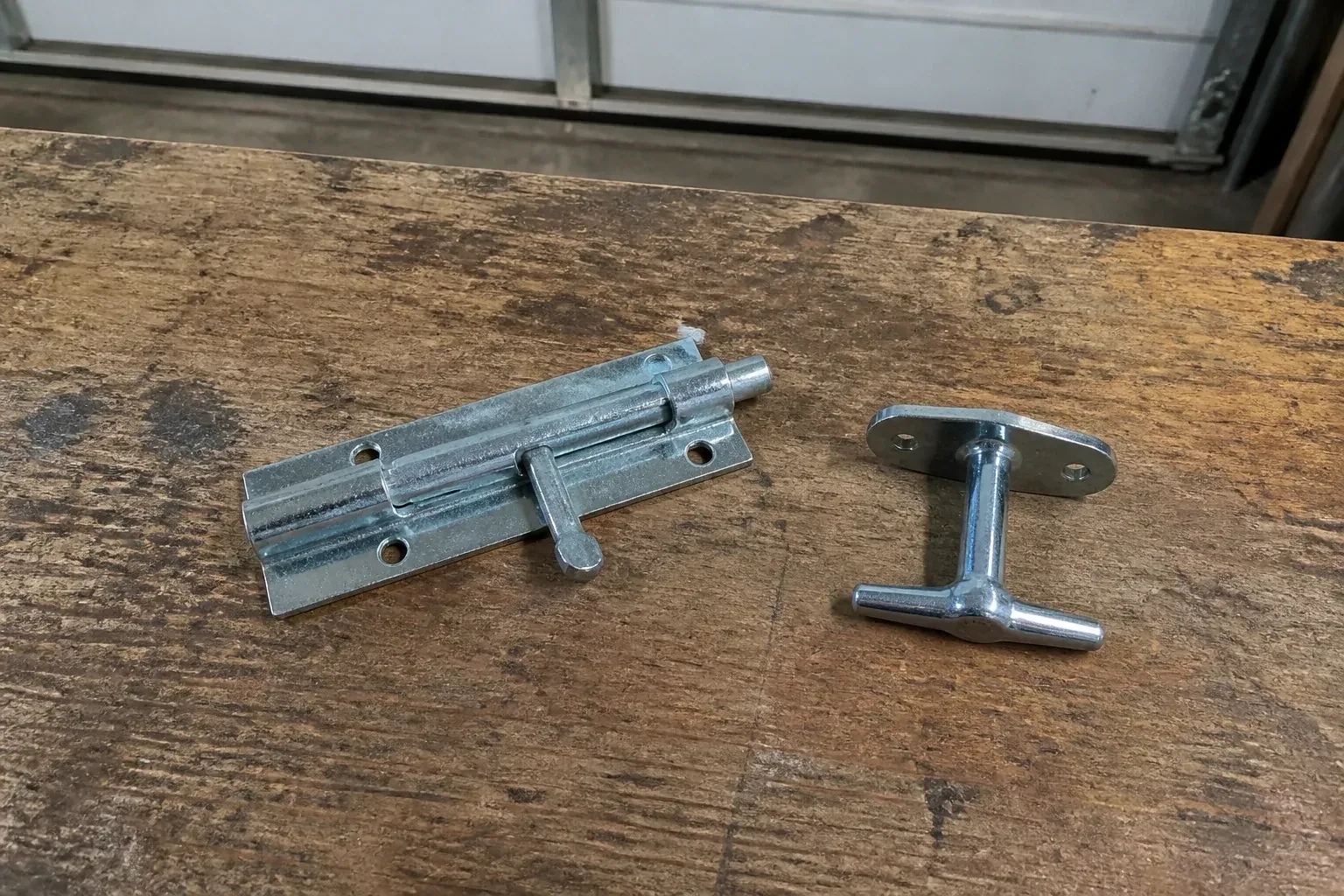
It is a February morning and the key goes only halfway into the garage handle. Yesterday's melt ran down the door face and into the keyway, and overnight it set like glass. The key flexes; the cylinder stays put.
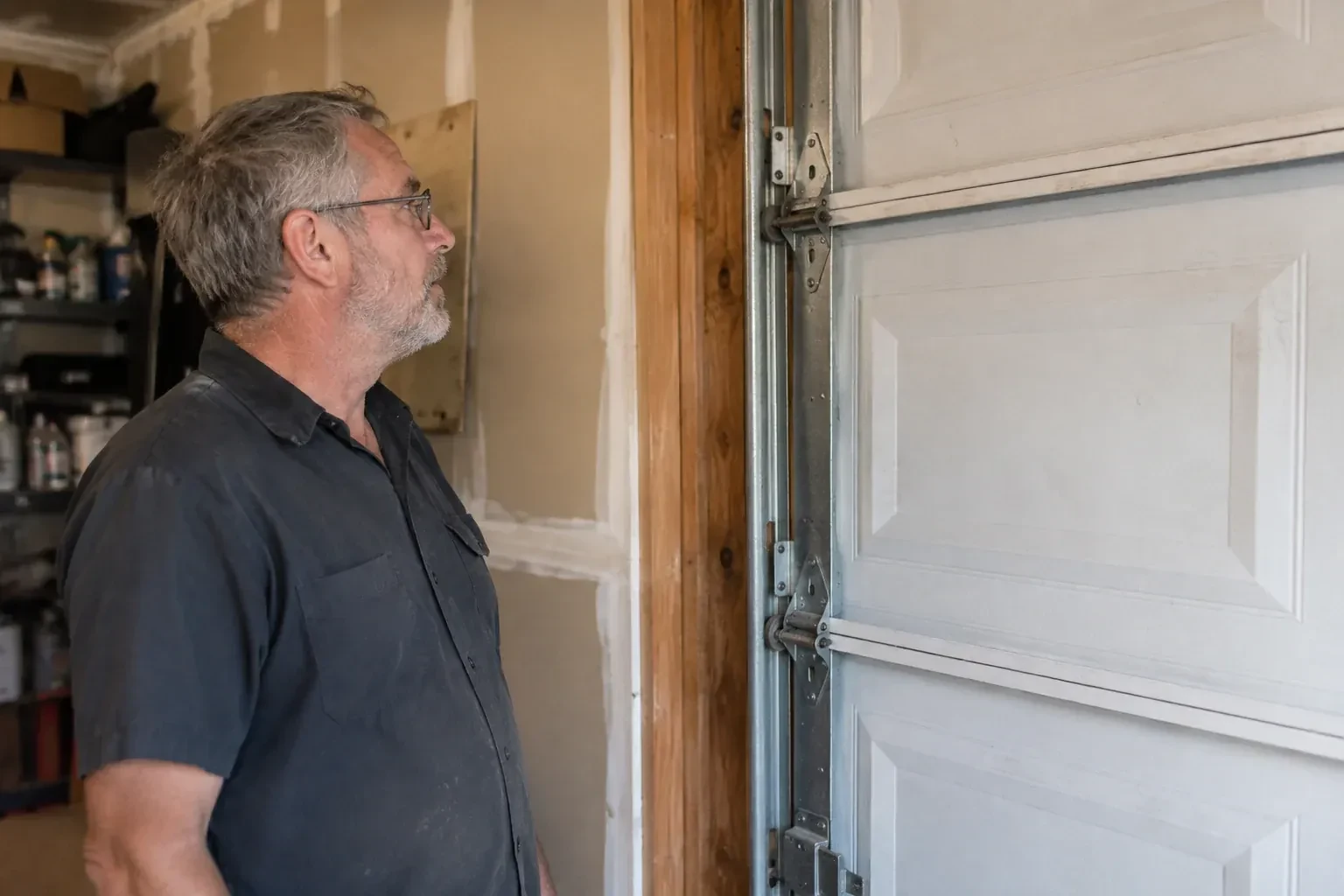
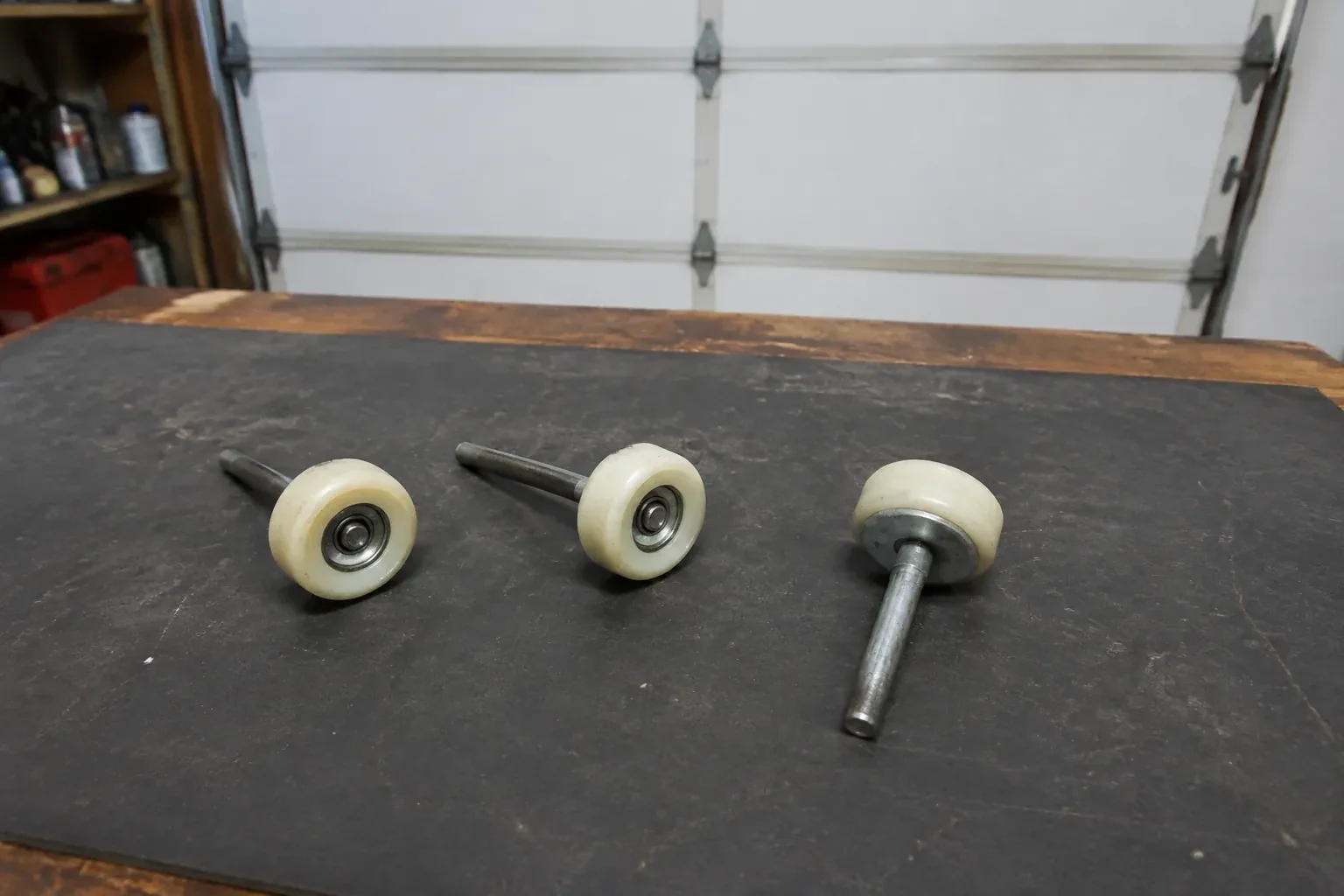
After a decade of slushy winters the bottom foot of the track is flaking rust. A roller squeals as it passes, and the channel edge has gone rough and thin where the salt collects.
You press the remote from the driveway and hear the motor hum overhead, a steady drone with no movement behind it. The door stays shut. Press again and the hum returns, then quits, as if the machine is trying and cannot get a grip on anything.
The door will only go down while a finger stays on the wall button; let go and it stops or reverses. From the remote it opens fine but never closes, so someone has to stand in the garage every time.
There is a wireless symbol printed on the opener above the car, and the manual mentions an app, but the head unit has never been connected to anything. You downloaded the app once, it asked for a serial number and a network, and the moment passed.
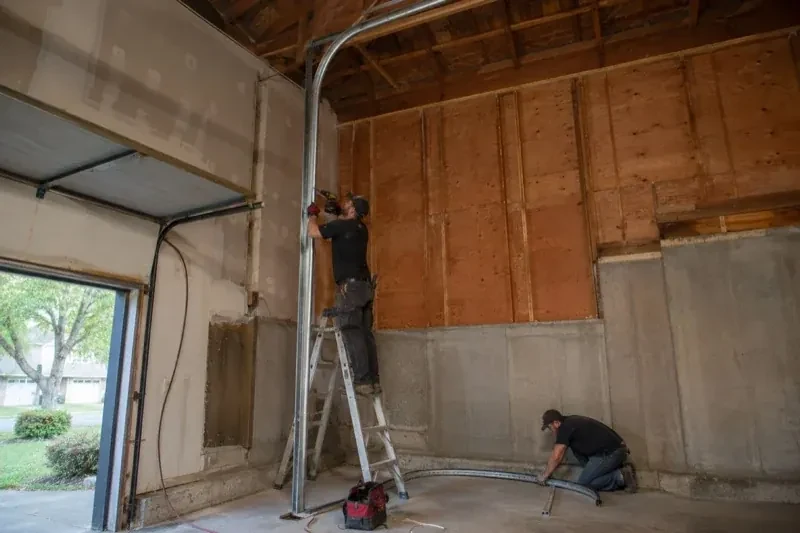
Your renovation changes how the ceiling space will be used. The existing track conflicts with new storage and lighting, so the replacement needs a measured track arrangement that follows the available headroom and backroom.
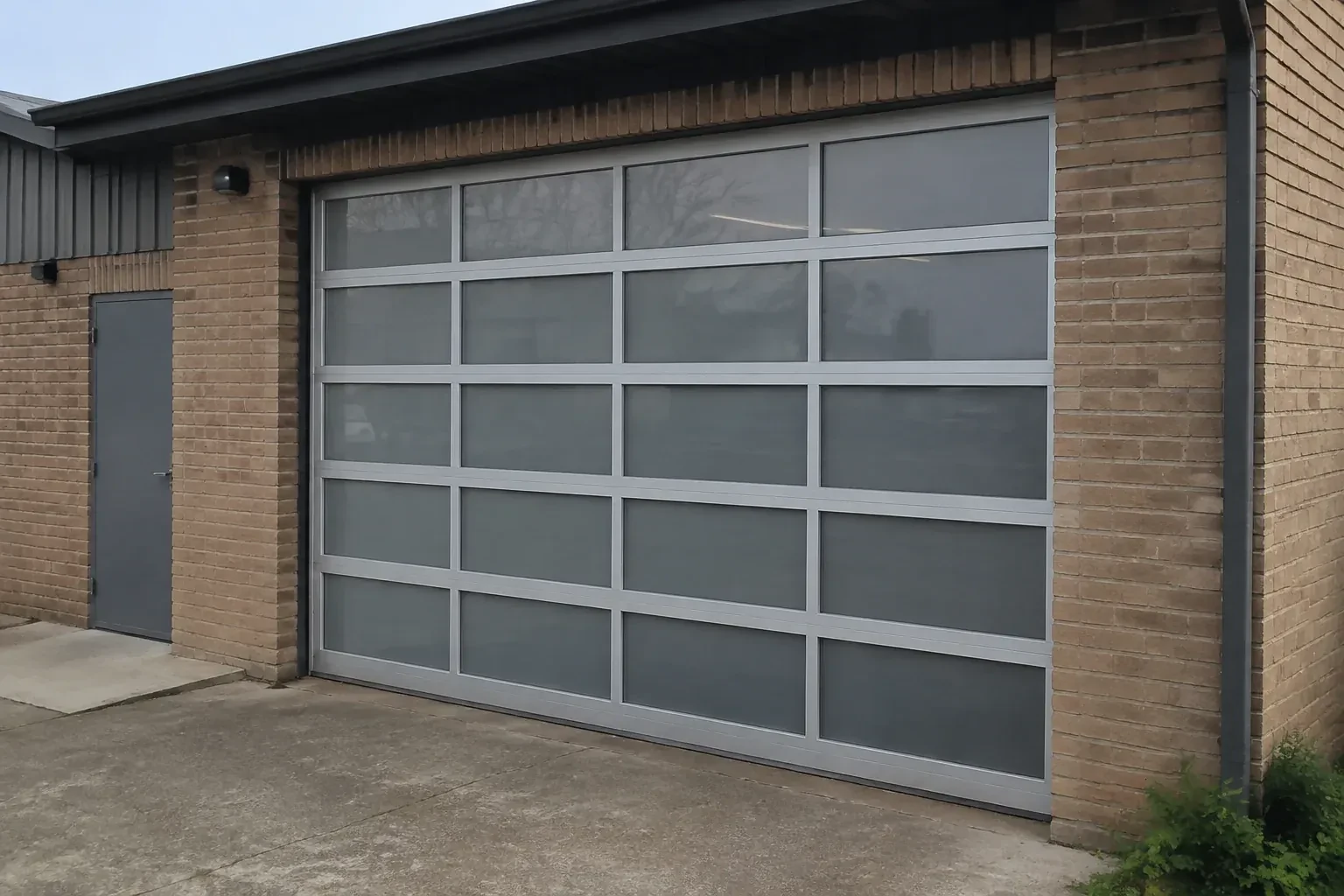
Your renovation has given the house clean modern lines, but the old raised-panel garage door now looks out of place. You want broad glass panels and a slim dark frame to complete the exterior.
The rolling door starts upward, then one side rises ahead of the other. Its bottom bar sits on an angle, several slats scrape the guide, and the opening is no longer clear enough for normal shipping traffic.
Storage racks were planned near the ceiling, but the existing tracks and centre-mounted opener divide the only practical zone. The wall above the door appears tall enough to move the turning point upward.
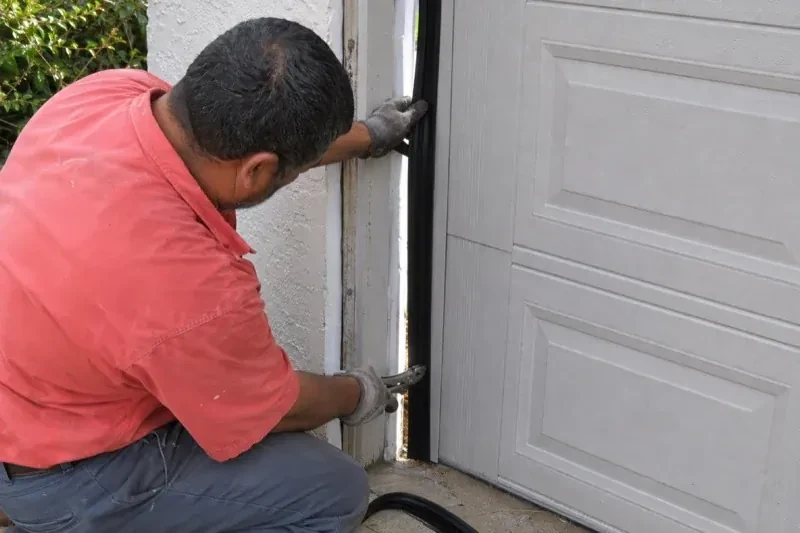
How can I tell the side and top seal needs replacing?
Close the door, turn off the garage lights and look along the edges for daylight. Then press the fin with a thumb: it should be soft and spring back. Hardness, cracks, pieces missing, a strip hanging loose, snow or leaves inside along the edge, or a fin that has folded under and torn are all signs. A rubbing squeal as the door moves is another.
My key will not turn in the cold. What is happening?
Meltwater has run down the door face into the keyway during a thaw and frozen overnight, or cold has stiffened old lubricant inside the cylinder. Lock de-icer or gentle warmth frees it; hot water is avoided because it refreezes and can crack cold metal. Afterwards the cylinder is dried and given a dry graphite or PTFE lubricant that sheds moisture instead of trapping it.
The wood behind the track is rotten. Can the track still be fixed?
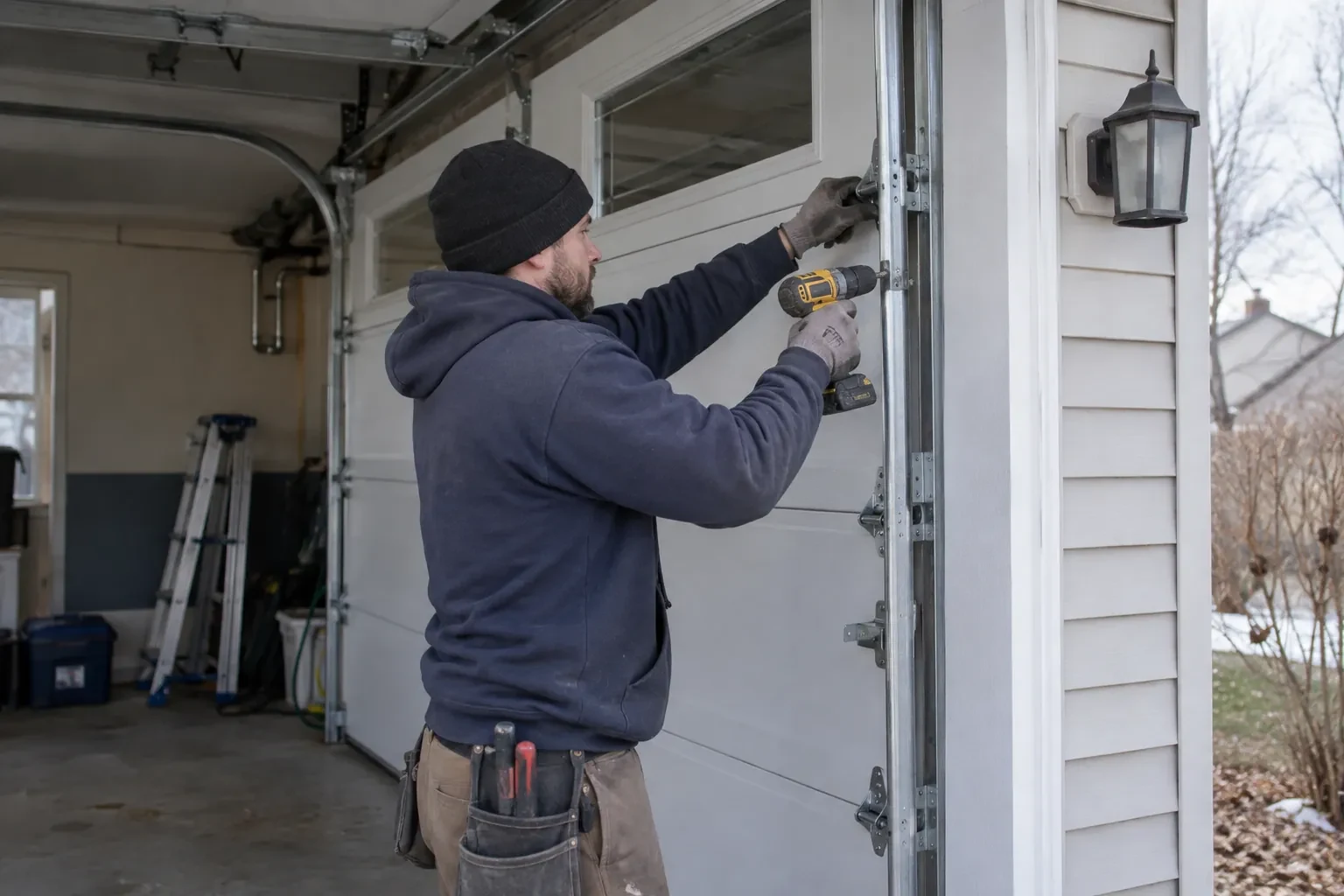
Yes, and the wood is part of the job. Screws will not hold in soft timber, so the technician cuts back to solid wood and sisters a new length of jamb alongside or replaces the lower section, fastening it through to the framing. The brackets are then lag-screwed into the fresh wood and the track set to the door. In older garages this repair is common, and it is what makes the alignment last.
My opener went completely dead after a power outage. Is it finished?
Not usually. Outages and the surges that ride along with them commonly trip a breaker or a ground-fault receptacle, blow the small fuse on the board, or knock out the transformer, and each of those is a modest repair. A surge that damages the logic board itself is the more serious case, and whether that board is replaced or the unit retired depends on the model's age and part availability. The diagnosis tells you which case you have.
Do sensors wear out with age?
They do, slowly. The infrared emitter and the receiver dim over many years, lenses craze or cloud from sun and salt, housings crack, and water finds its way in at floor level. A pair that needs re-aligning more and more often, or whose light drifts between steady and flickering with nothing touched, is usually ageing. Because pairs are matched to the opener, an older opener is worth identifying early so the right replacement is on hand.
Will a smart controller work with my older opener?
Often, yes. Retrofit hubs were designed for exactly this: an opener from the previous decade or two that works perfectly well but has no radio of its own. The deciding factors are the model, the year, the type of learn button and whether photo eyes are fitted. The technician checks your exact opener against the controller maker's current supported list before anything is bought or mounted, so the answer is known rather than hoped for.
What should I move before the installation visit?
Clear vehicles, bicycles and stored items from the door's path and from the areas beside the jambs. Make overhead track and spring locations accessible, and identify anything delicate nearby. The technician can explain the required working area during measurement, especially where shelving, ceiling storage or a shared driveway affects access.
Can a business use a full-view sectional door?
Yes, where the selected door and operating system suit the opening, traffic pattern and building requirements. Showrooms, workshops and service spaces may value daylight and visible activity, while frosted or mixed panels can screen equipment. Commercial use, door size, cycle expectations, controls, structural conditions and any project review are identified before a suitable assembly is specified.
Can a door stuck partly open be repaired in that position?
The position becomes part of the repair plan. Traffic is controlled, the curtain is supported or secured, and its weight and stored spring energy are managed before a guide or drive component is released. Depending on the fault, the door may be brought to a safer working position under control before the component repair begins.
Can storage remain above or beside the door?
Storage can share the garage when it stays outside the door's movement and service envelope. The layout accounts for panels, rollers, tracks, shaft, springs, cables, operator and slight movement during operation. At handover, the technician can mark areas that should remain accessible. Planning cabinets or racks from those boundaries helps preserve both useful storage and orderly future maintenance access.
Request a visit
For homeowners in Kenilworth, the visit begins with questions rather than tools: when did the door change, what does it sound like, does the wall button behave differently from the remote? Those answers point the technician to the right part, and the assessment that follows confirms it before any price is discussed.