Garage Doors in Conn, OntarioOne visit,a stocked van.
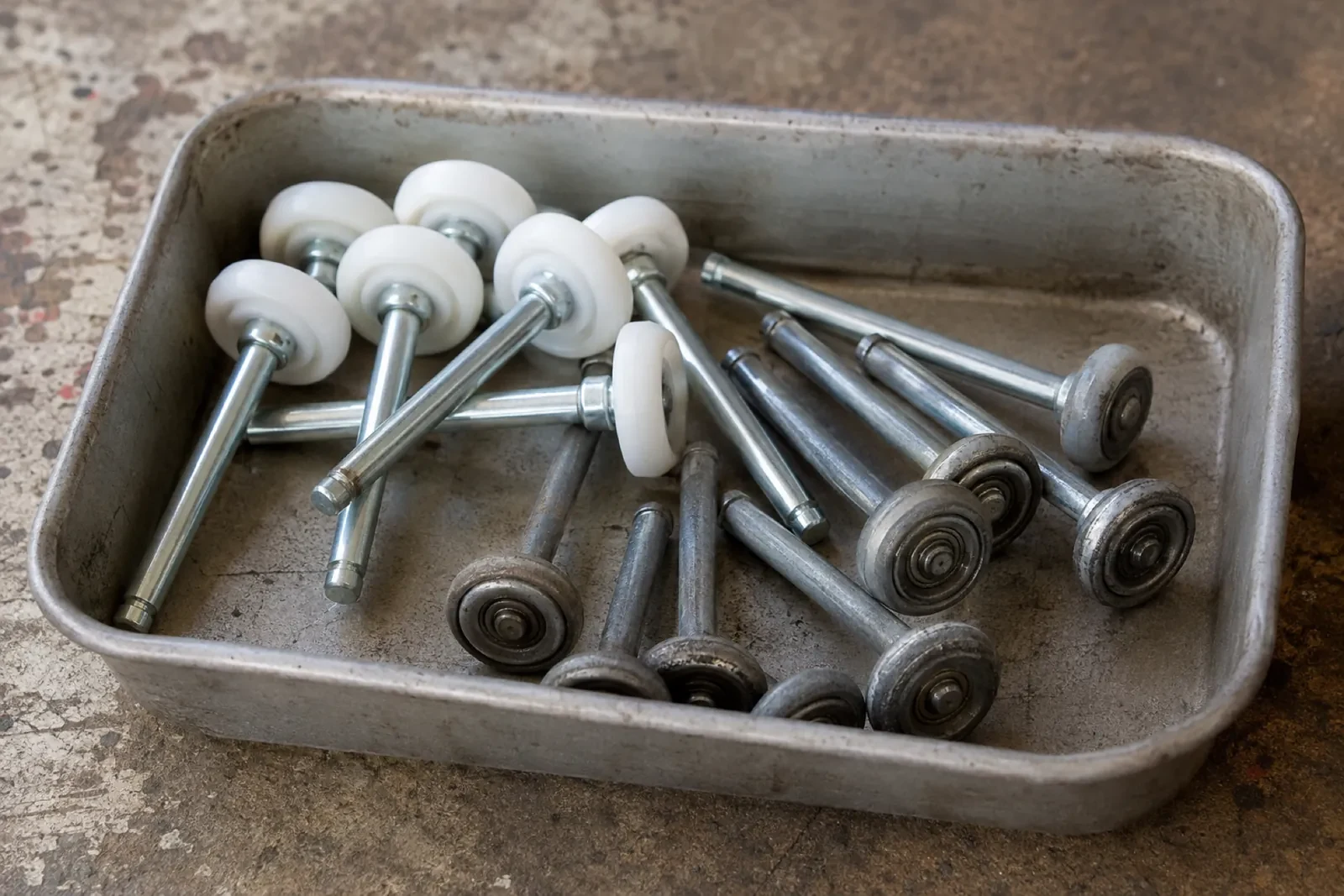
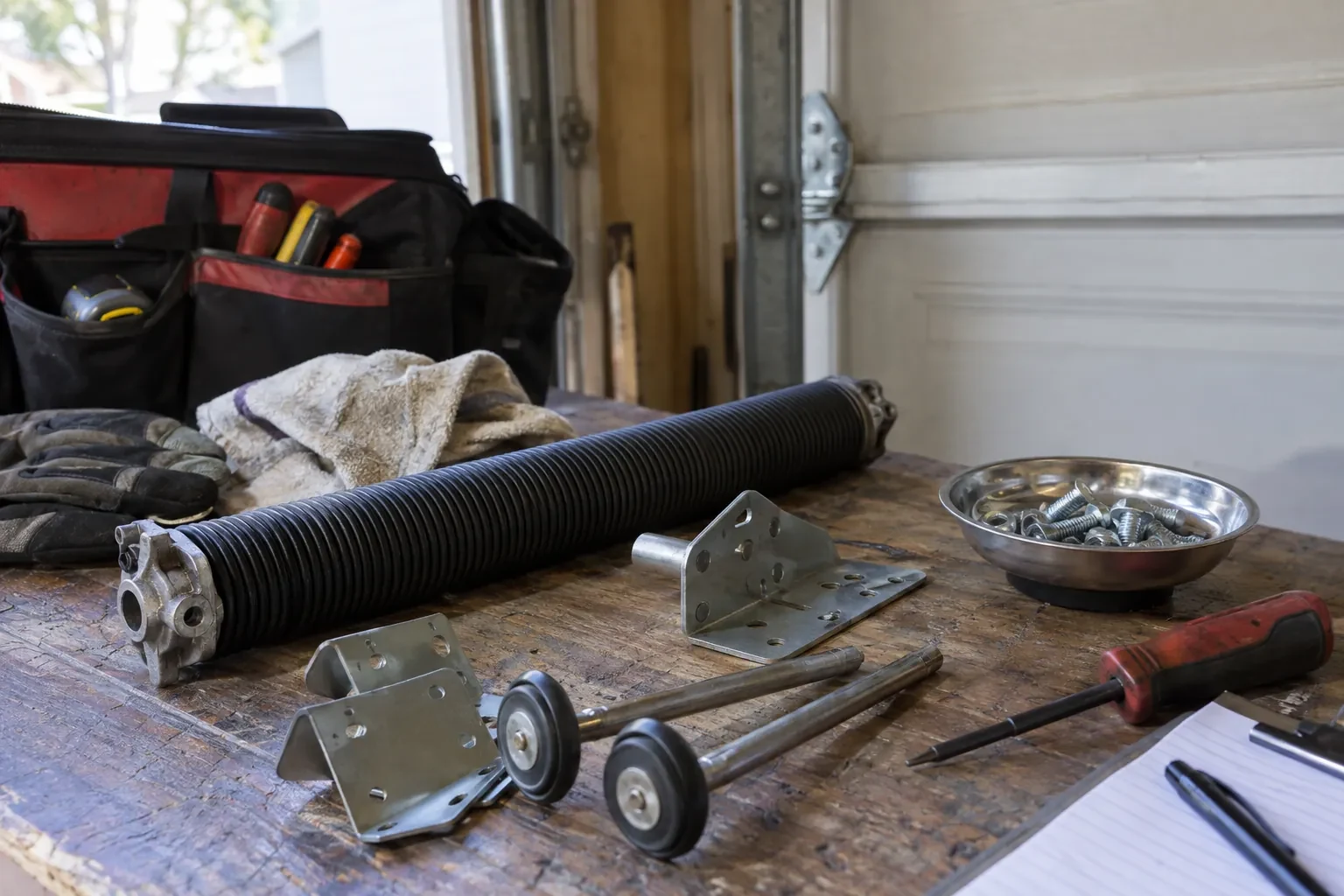
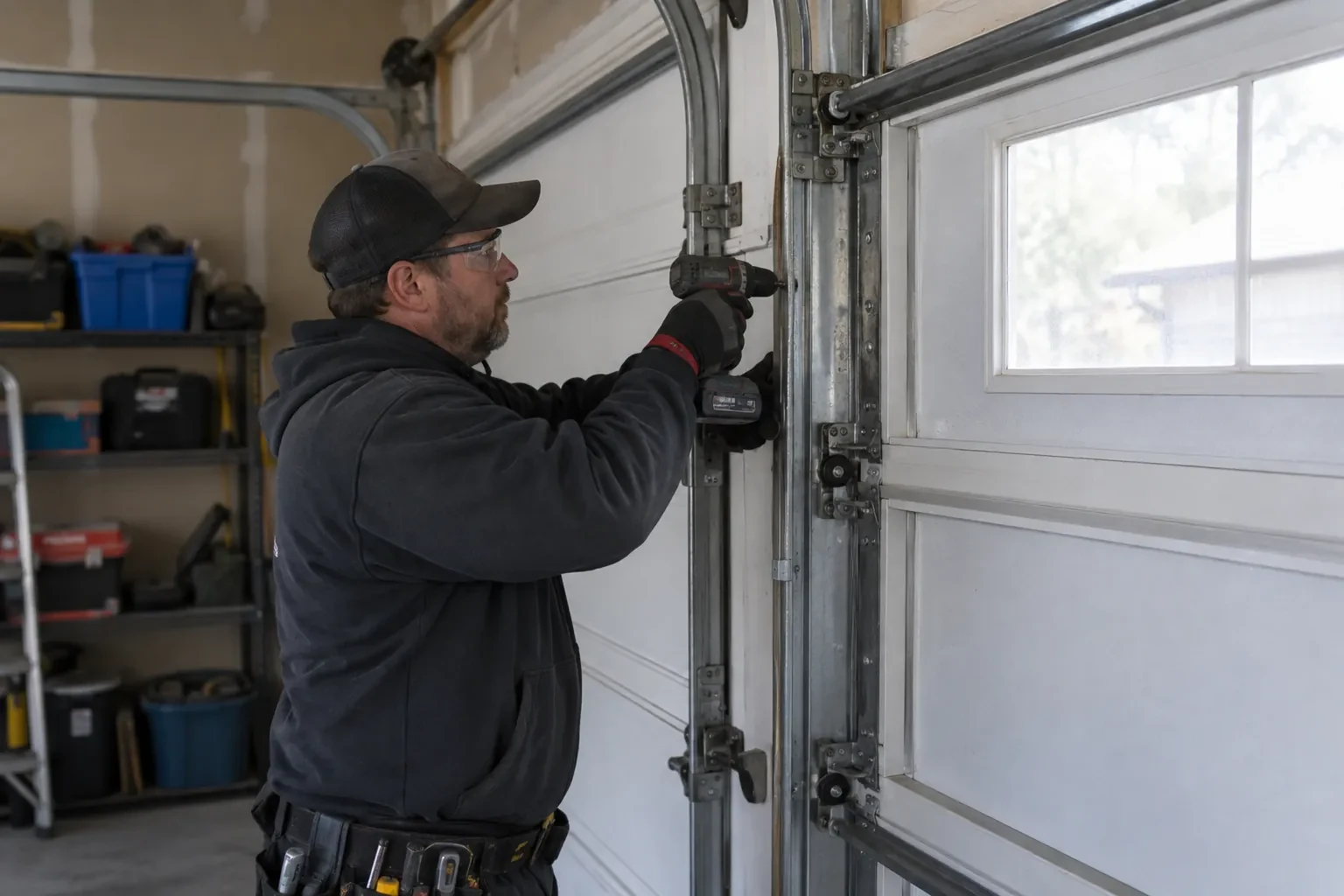
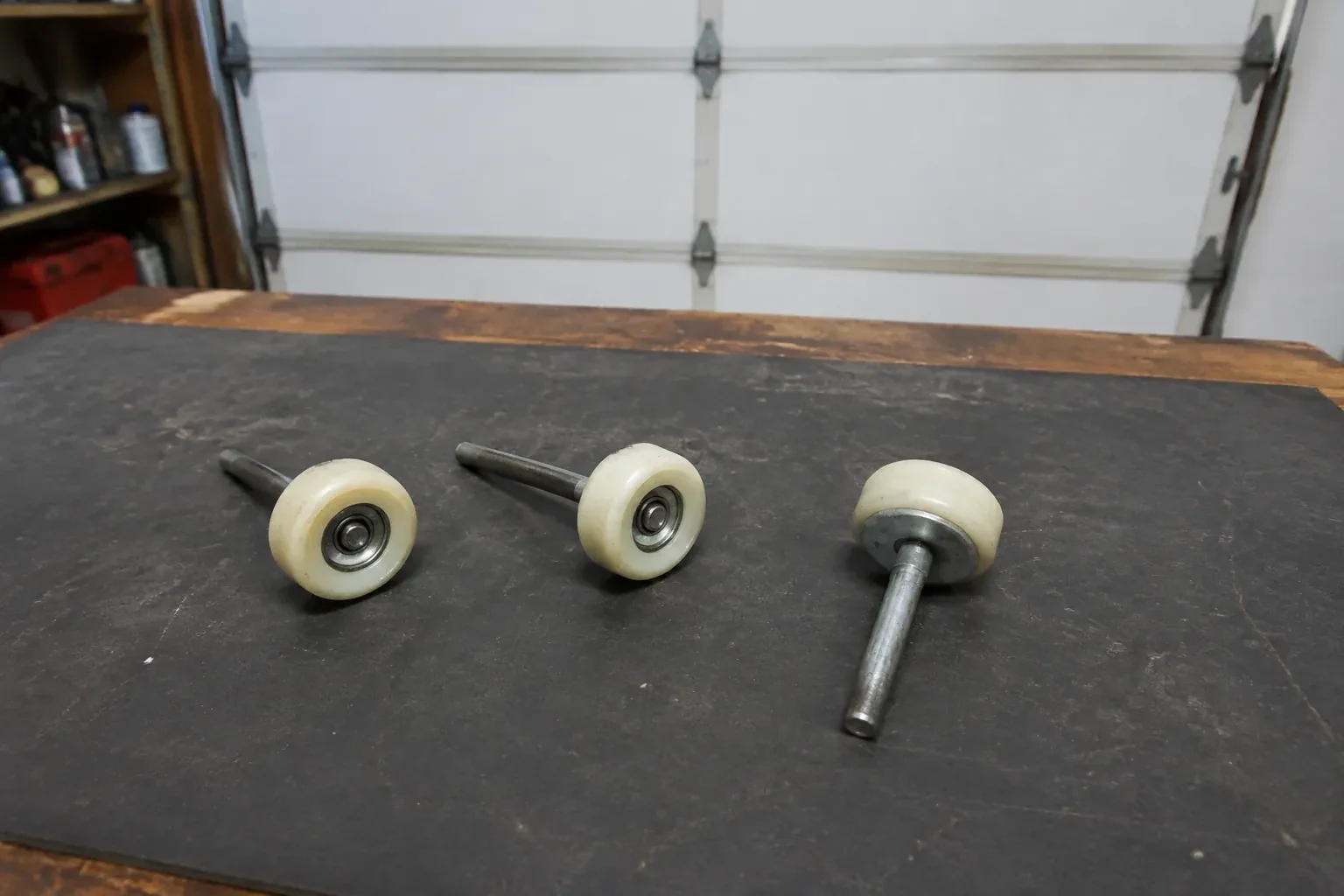
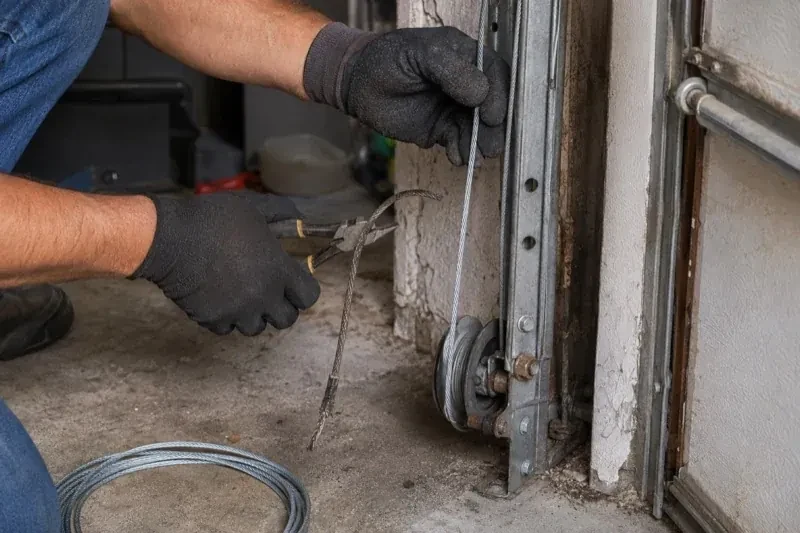
The common springs, cables, rollers, hinges, photo-eyes and opener parts ride along on every trip to Conn. That means most repairs are finished the day the technician arrives, and when a door needs something unusual, he measures it properly so the right part comes on the second visit. Calls from Cedarville, Holstein, Landerkin, Maple Lane, Robbtown, Yeovil, Clare, Egerton, Monck and Stonywood are covered too.
The common springs, cables, rollers, hinges, photo-eyes and opener parts ride along on every trip to Conn. That means most repairs are finished the day the technician arrives, and when a door needs something unusual, he measures it properly so the right part comes on the second visit. Calls from Cedarville, Holstein, Landerkin, Maple Lane, Robbtown, Yeovil, Clare, Egerton, Monck and Stonywood are covered too.
Honest advice, steady hands.
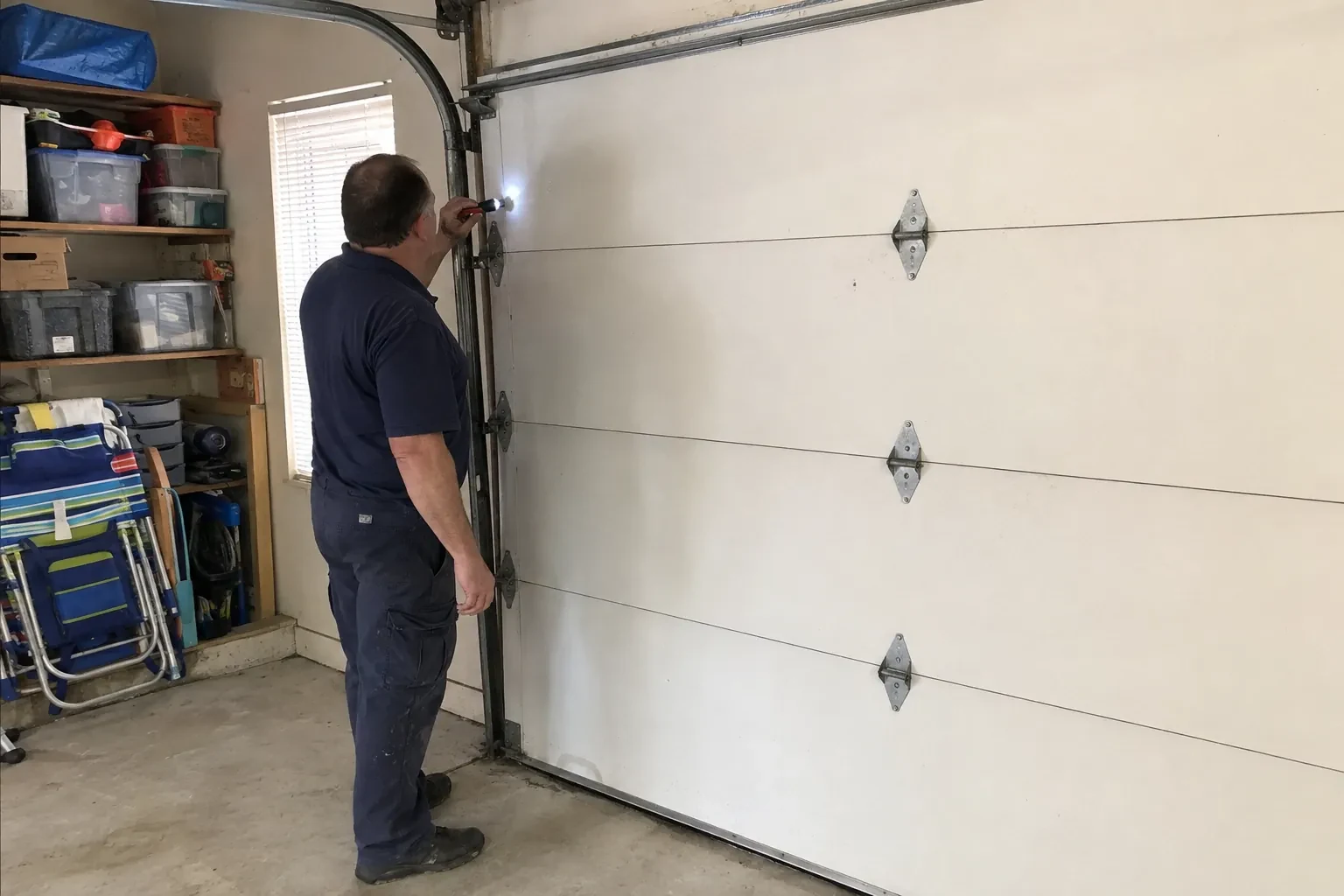
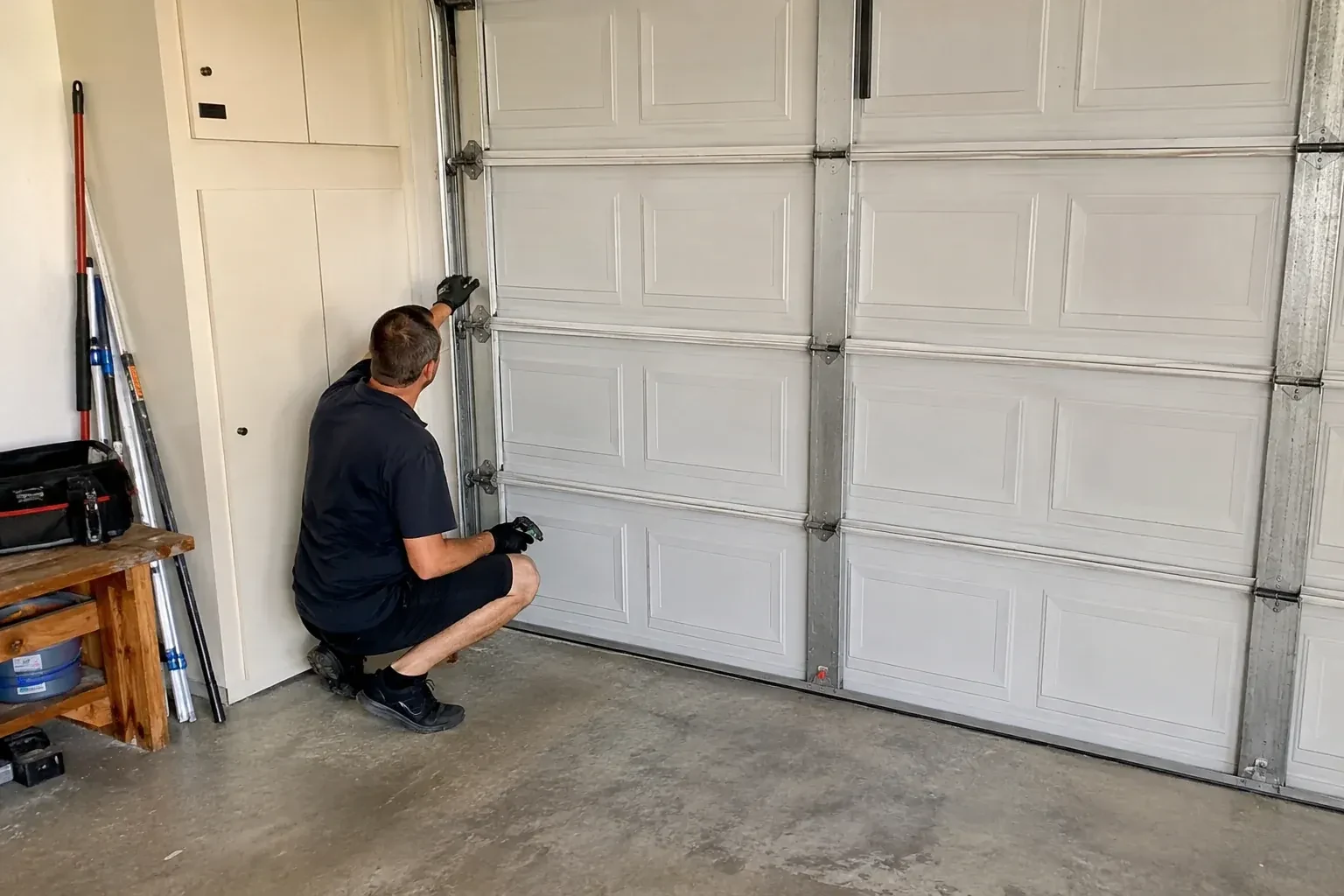
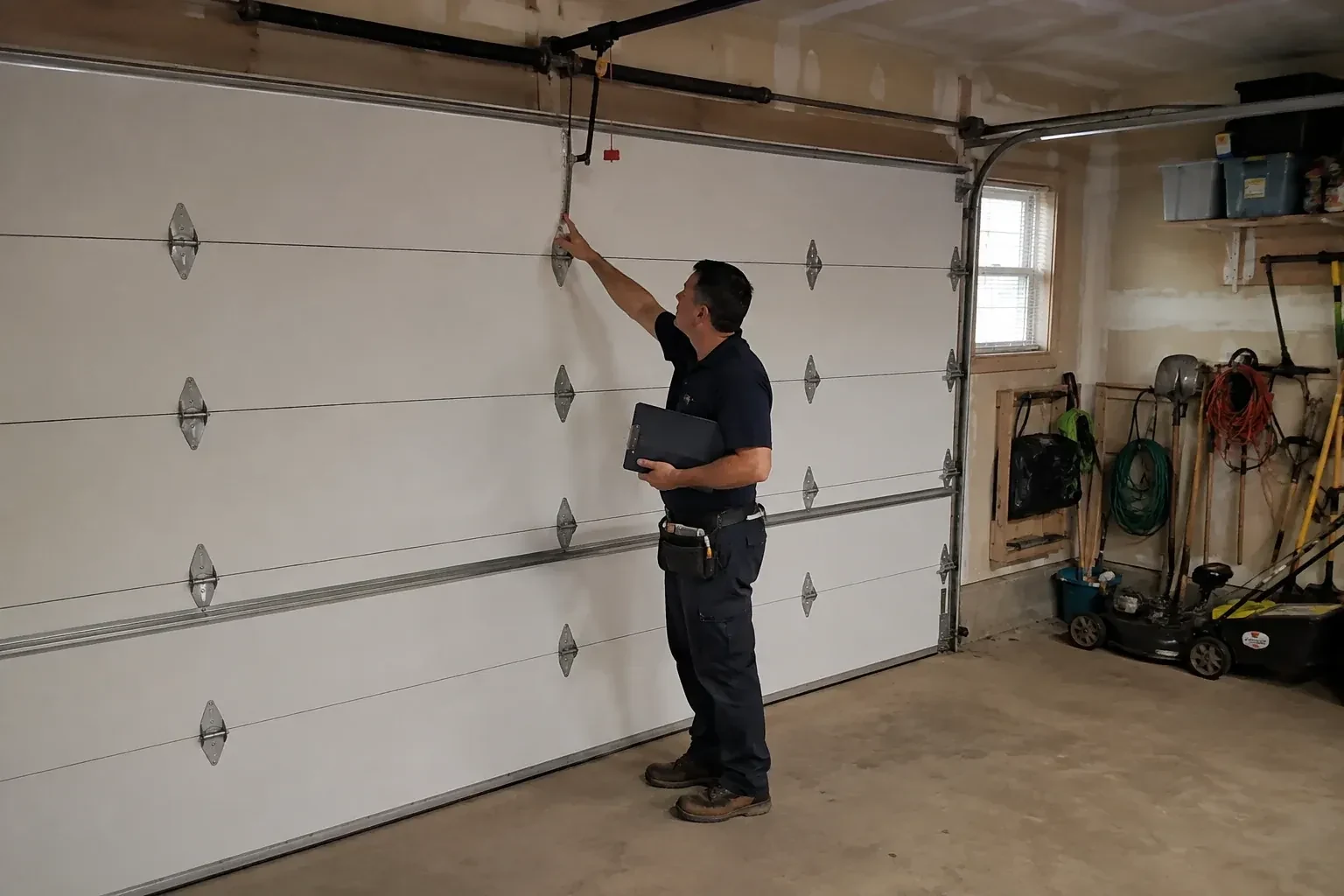
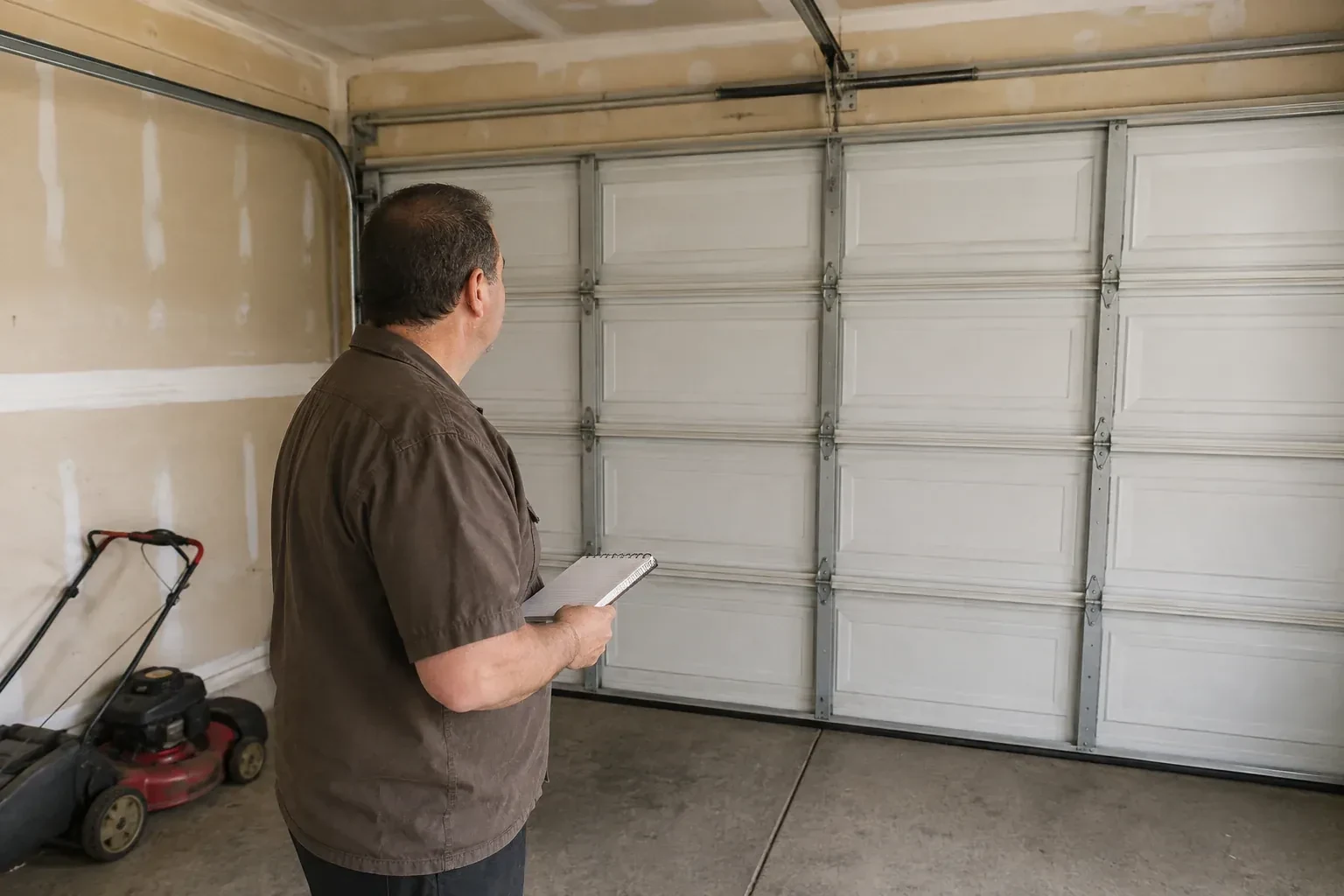
When you call about a garage door in Conn, a technician comes to the house, looks at the whole door and tells you what he found before anything is taken apart. The cost is worked out on site from that assessment rather than guessed from a description, and the fee is the same whatever hour the visit happens to fall in.
Shops, warehouses and workshops in Conn run on their doors, and a stalled door means a stalled day. We service commercial sectional and rolling steel doors, high-cycle springs, heavy-duty operators and safety edges, and we keep that hardware on hand. The person in charge on site gets a plain explanation of the fault and the fix, and a record for next time.
21years in business
24/7open every day
Explanation before action. You will know what is worn, why it failed and what the options are before a single bolt is turned. Questions are welcome at every step.
A tidy garage. Drop cloths where needed, old parts bagged, floor swept. We leave the space as we found it, only with a working door.
Choices, not pressure. If a repair will do, we say so. If a replacement makes more sense, we explain why and let you decide.
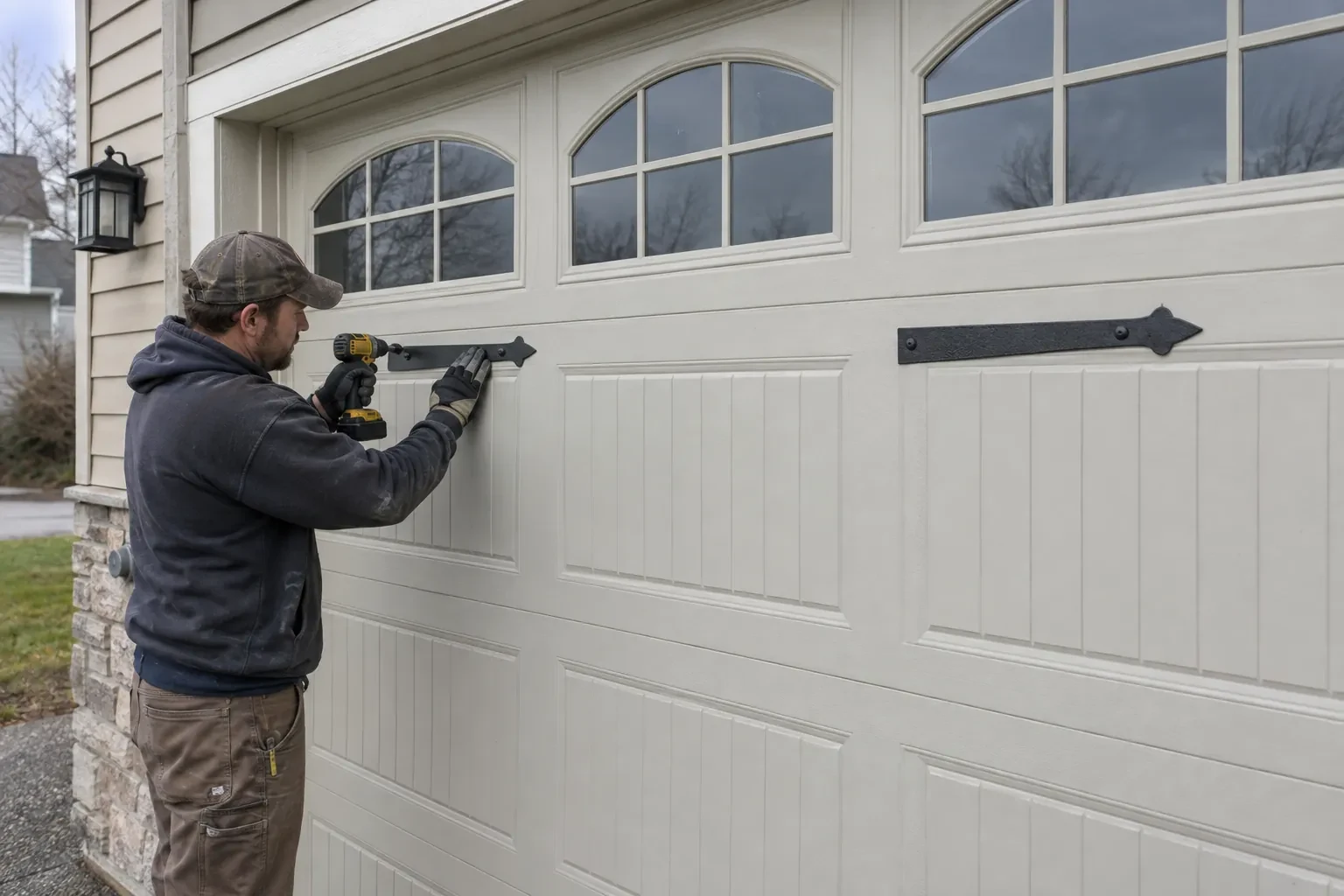
For properties in Conn we service the door, the hardware that lifts it and the opener that drives it, and we install new doors and openers when the old ones are done. Residential and commercial work are both covered, each with its own parts, tools and approach.
About 56% of homes in Wellington North were built in 1980 or earlier, according to the 2021 Census.
Older homes
Older garages are frequently used as workshops or storage as much as parking, which means the door opens many times a day and collects dust on the sensors. Sealed rollers, protected photo-eyes and a tune-up schedule suit that pattern well.
Single-detached houses make up about 75% of homes in Wellington North (2021 Census).
Mostly houses
Family homes with their own garage tend to use it as the everyday entrance, so the door sees many cycles a week and the auto-reverse and photo-eyes matter for children and pets. We test both on every visit and set the force so the door stops on a light touch.
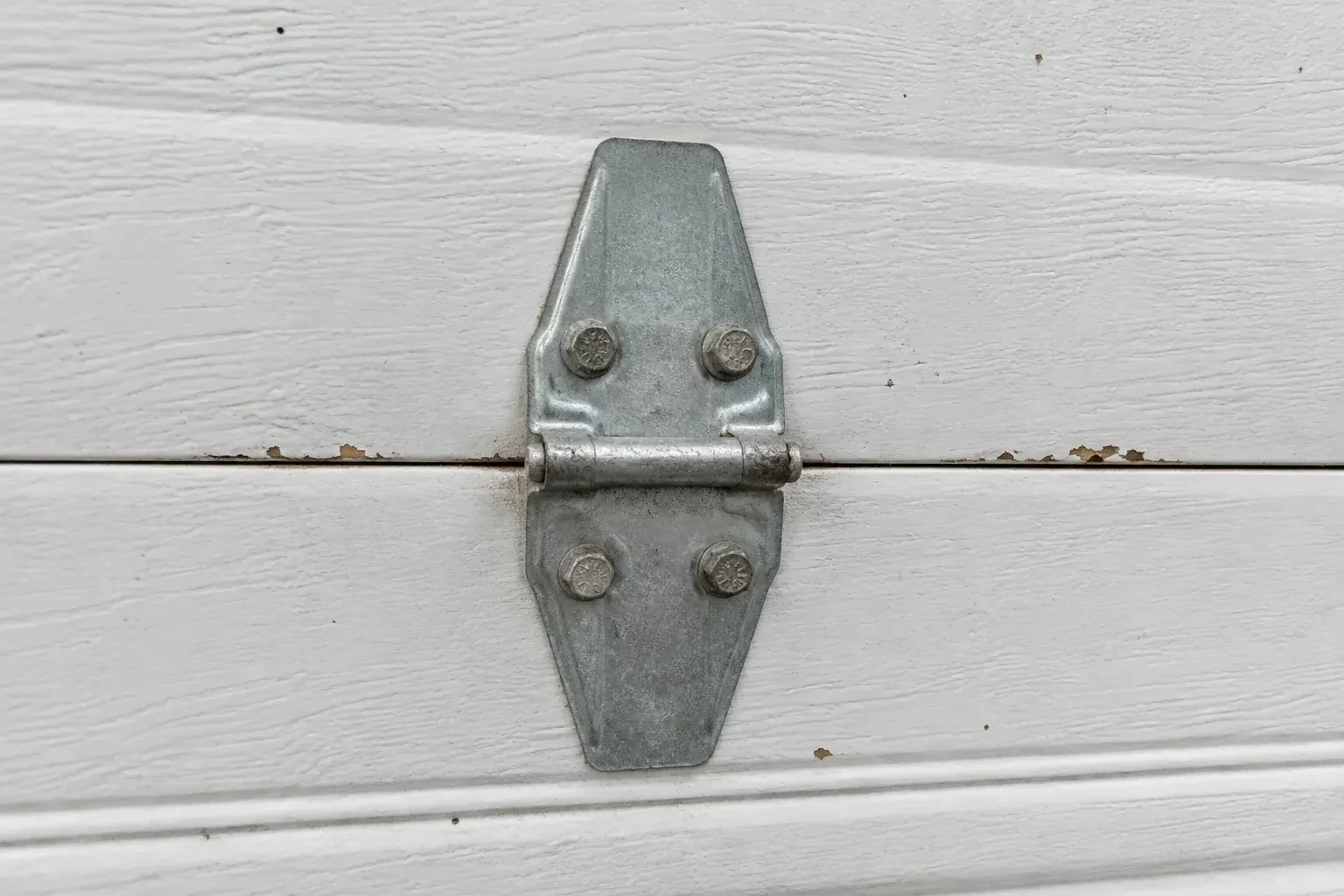
A tenant mentioned the door is louder than it used to be. From the driveway it looks fine, but on closer inspection the hinges near the floor are streaked orange and one roller wobbles as it turns.
Every morning the door announces itself to the whole street: a long metallic squeal as it climbs, a rattle at the top, and a groan on the way back down. It still opens and closes, but it never used to sound like this.
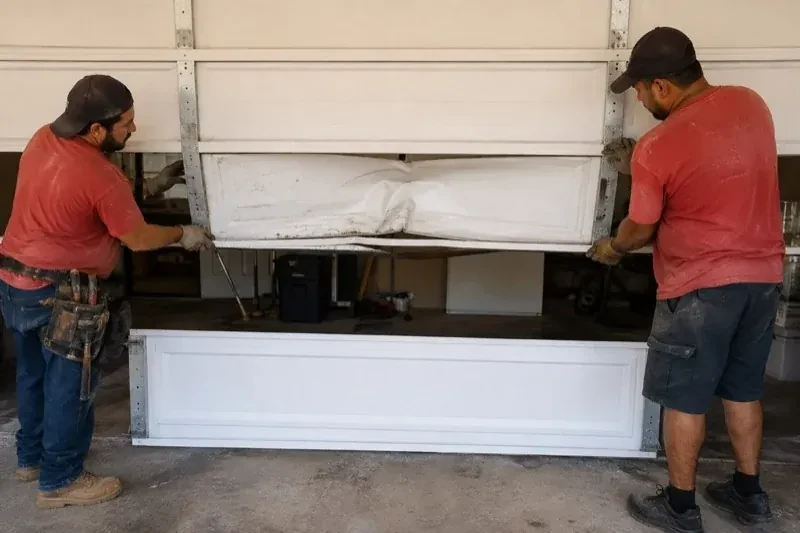
You misjudged the last metre of the driveway and felt the bumper meet the door. The bottom section now carries a crease across most of its width. The door still opens, but it shudders as that section reaches the curve in the track.
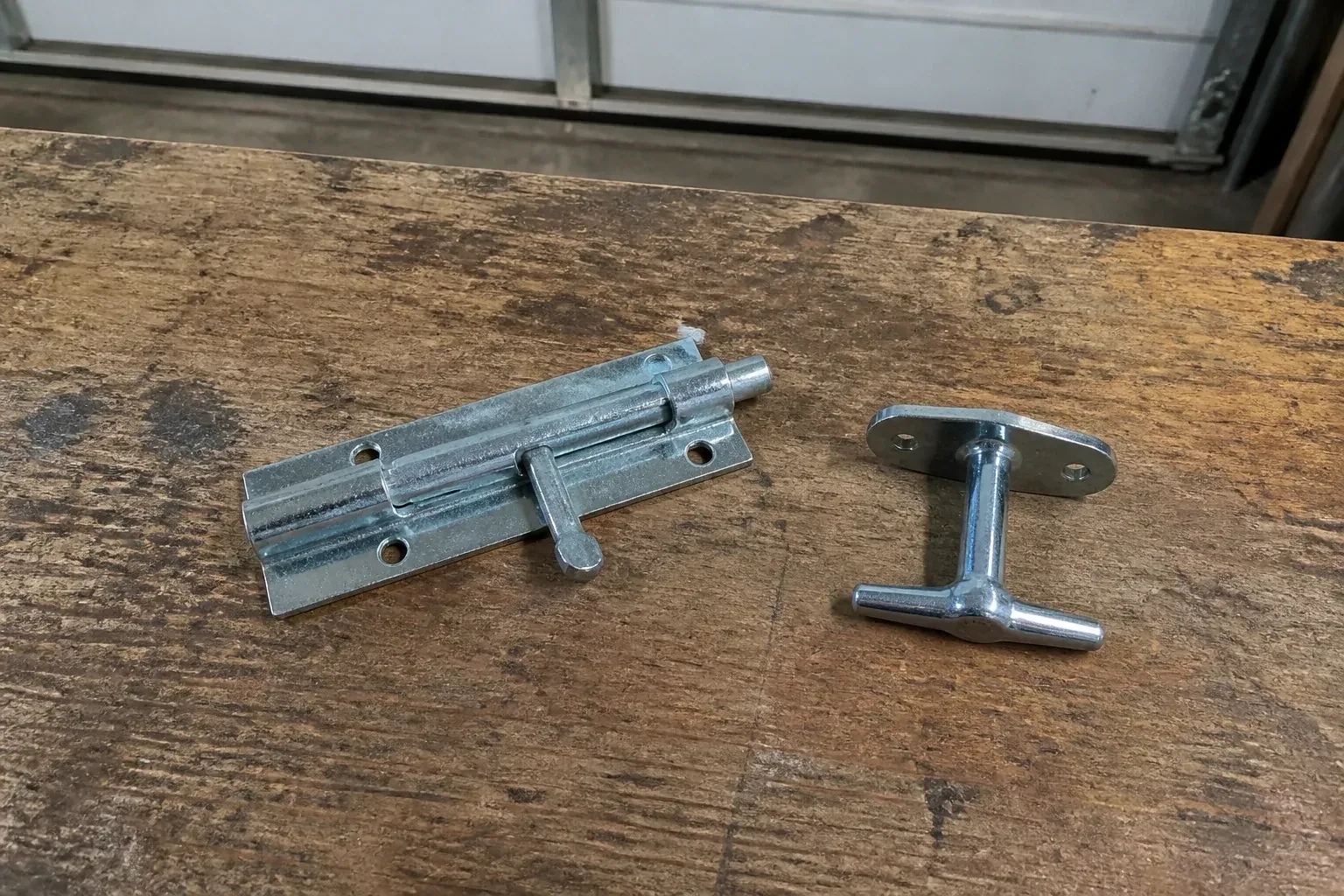
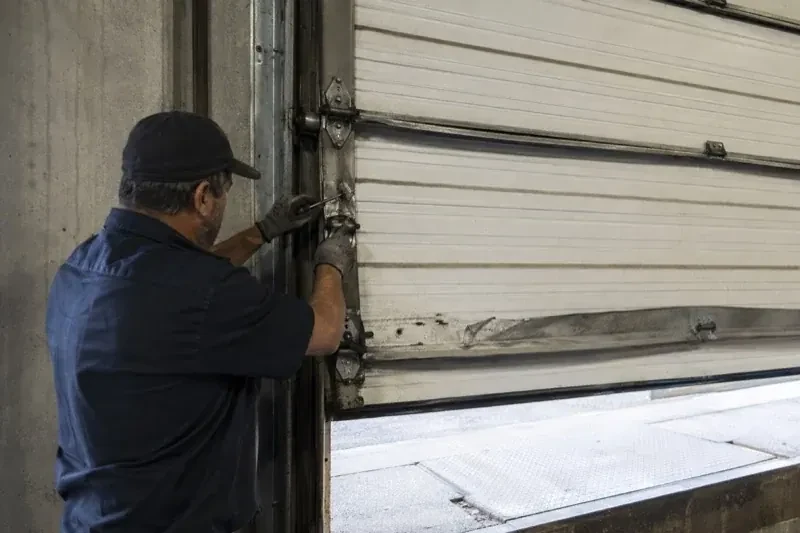
The power is out in a storm, you pulled the red cord and lowered the door by hand, and now you want to lock it. The slide bolt on the inside edge is welded in place by years of rust and refuses to budge.
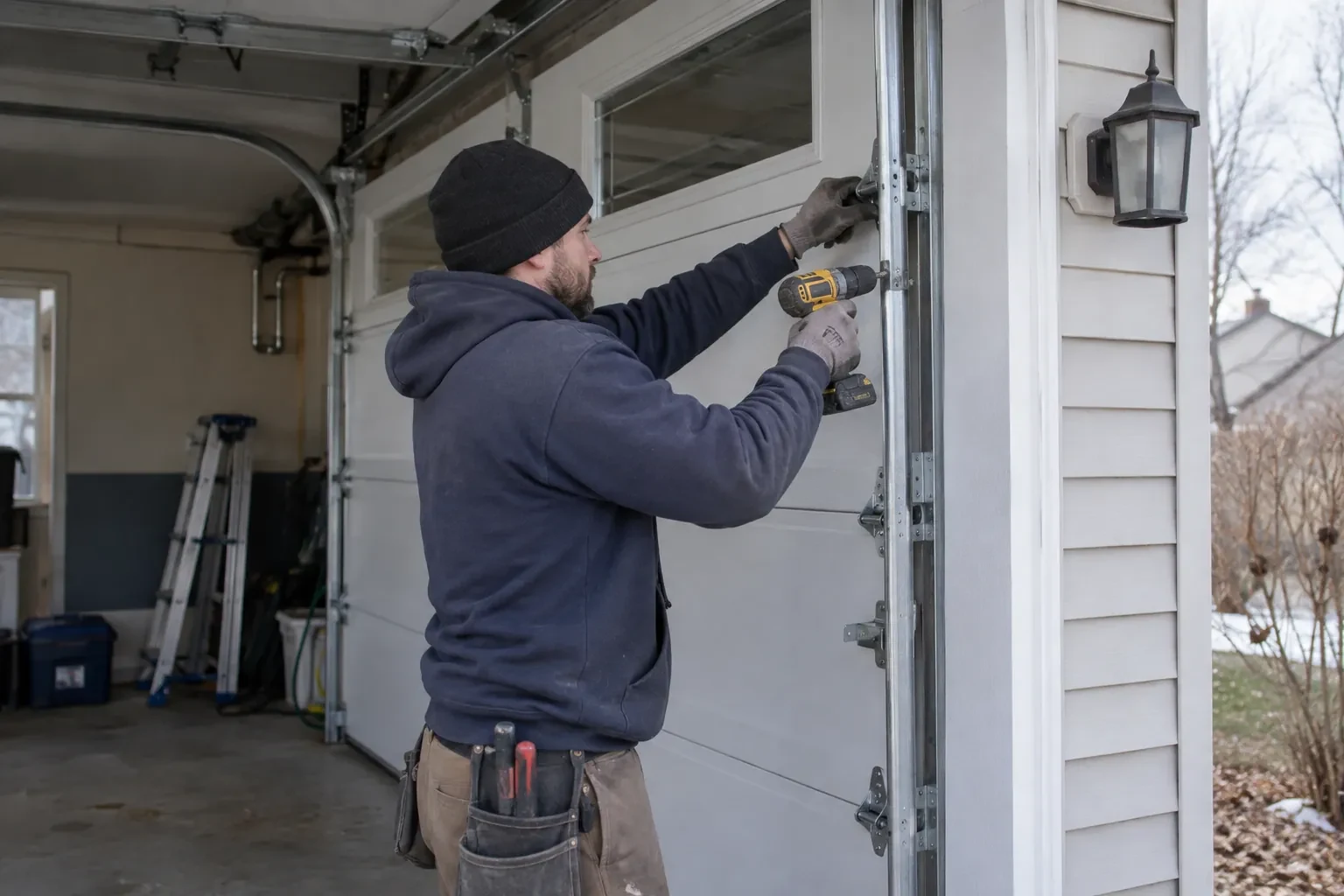
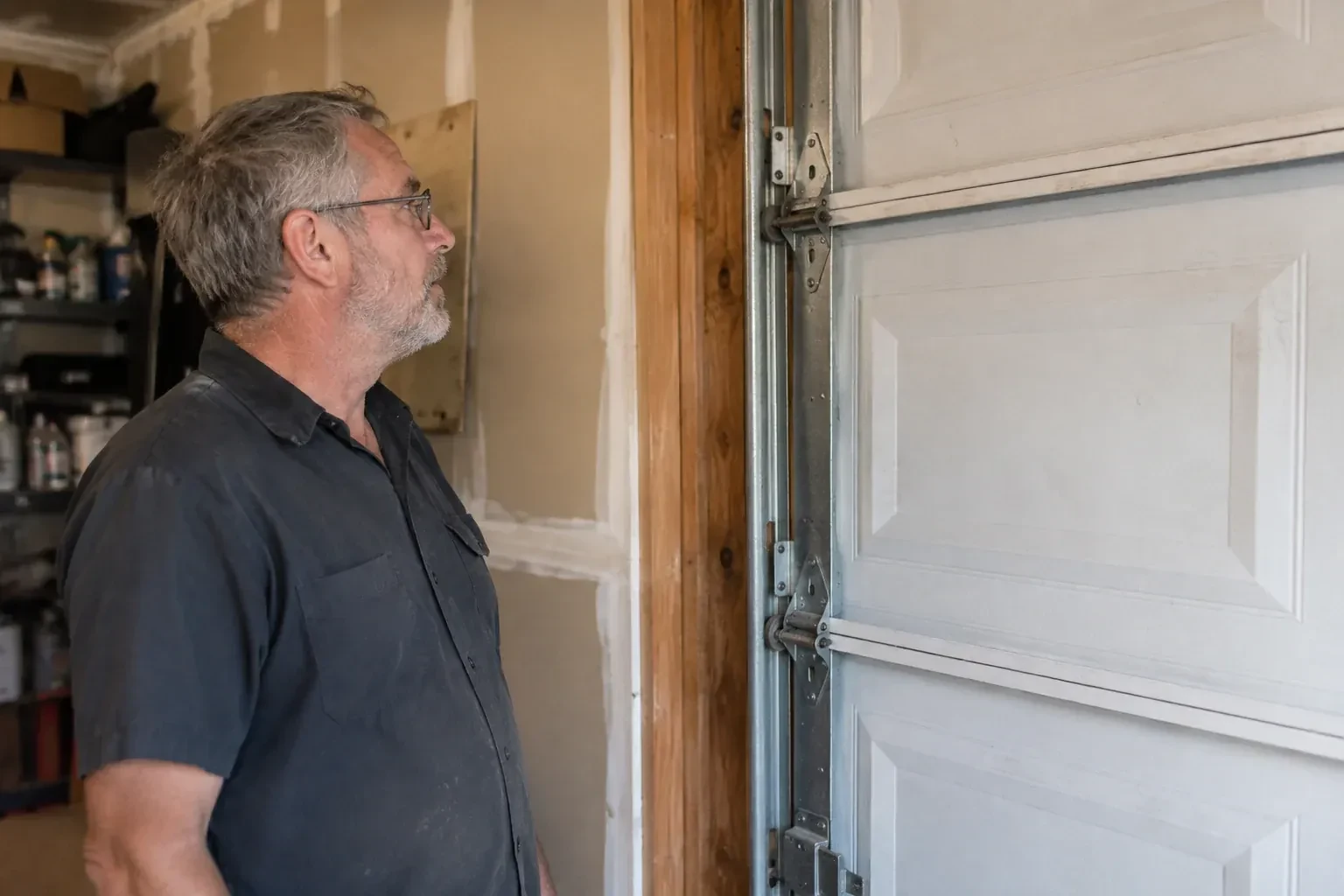
The car nudged the door on the way in. There is a dent low on one end, and above it the hinge that carries the roller is bent so the panel edges rub together and squeal as the door lifts.
It is the first hard frost of the year and the door on the old detached garage has stopped halfway, squealing at one pulley. The springs are the ones that came with the door decades ago, orange with rust where they hang near the back wall.
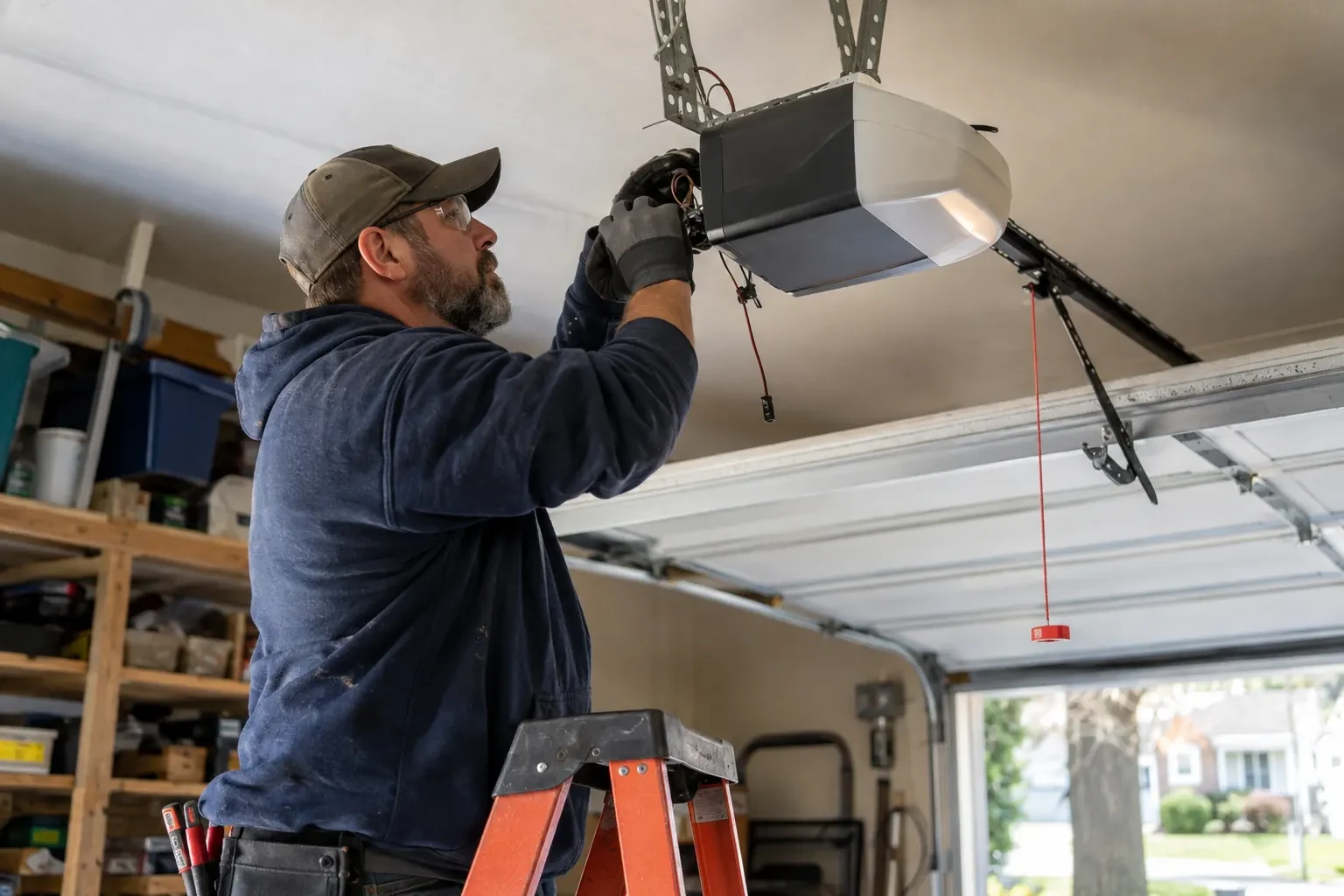
For a few days there was a grinding sound whenever the door started moving. Now the motor spins freely and the door stays exactly where it is. On the hood of the car there is a scatter of white plastic shavings that fell from the unit above.
After the power came back you pulled the red cord to get the car out. Since reconnecting, the door stops short of the floor, and no amount of turning the limit adjustment brings it the rest of the way down.
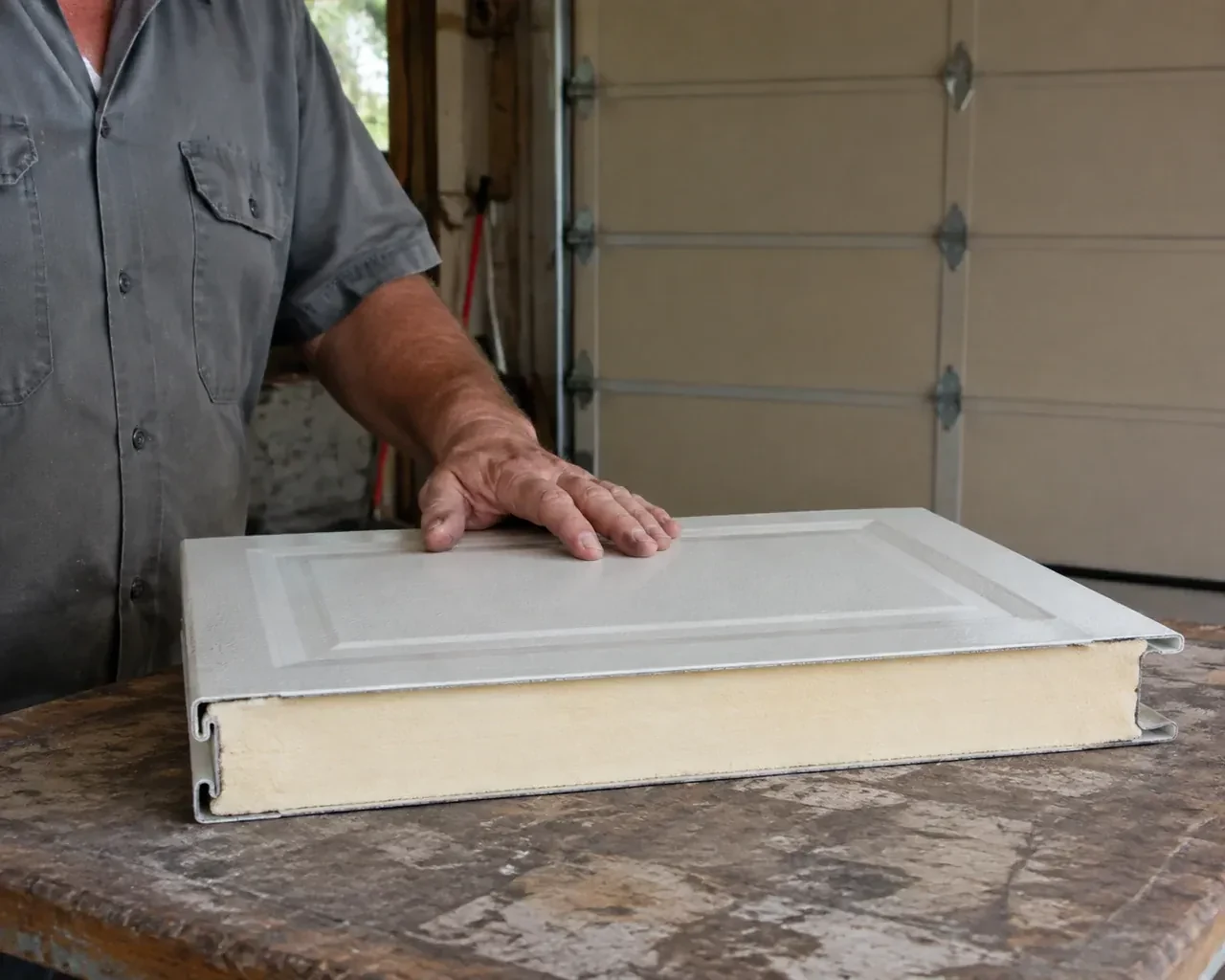
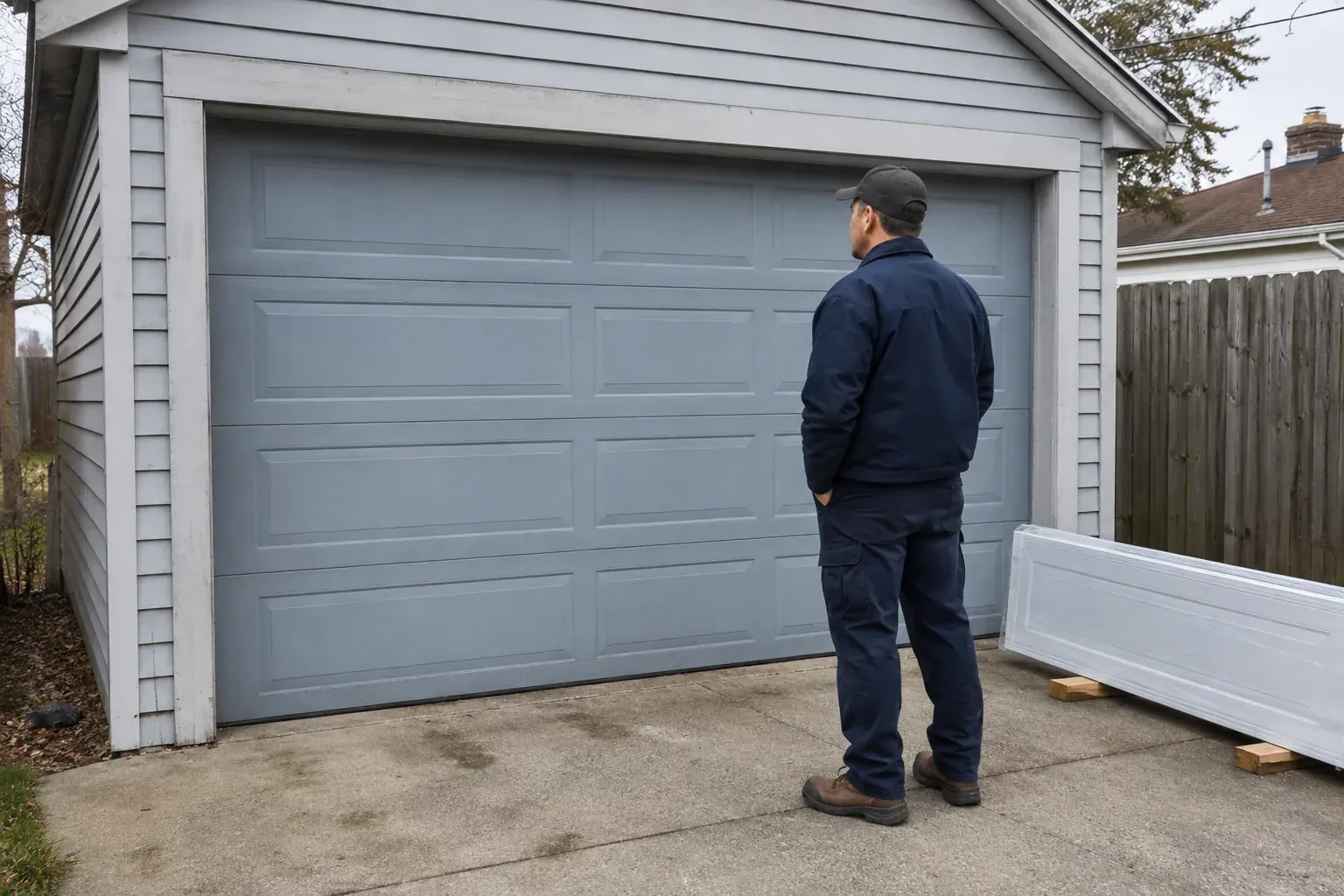
Several sections are dented and the bottom edge has begun to rust. Instead of matching another isolated panel, you are ready to choose a complete insulated steel door with new coordinated hardware.
The operator runs and the drive chain moves, yet the sectional door hesitates near the floor. It feels unusually heavy during manual operation, pointing to a counterbalance problem rather than a simple control-station fault.
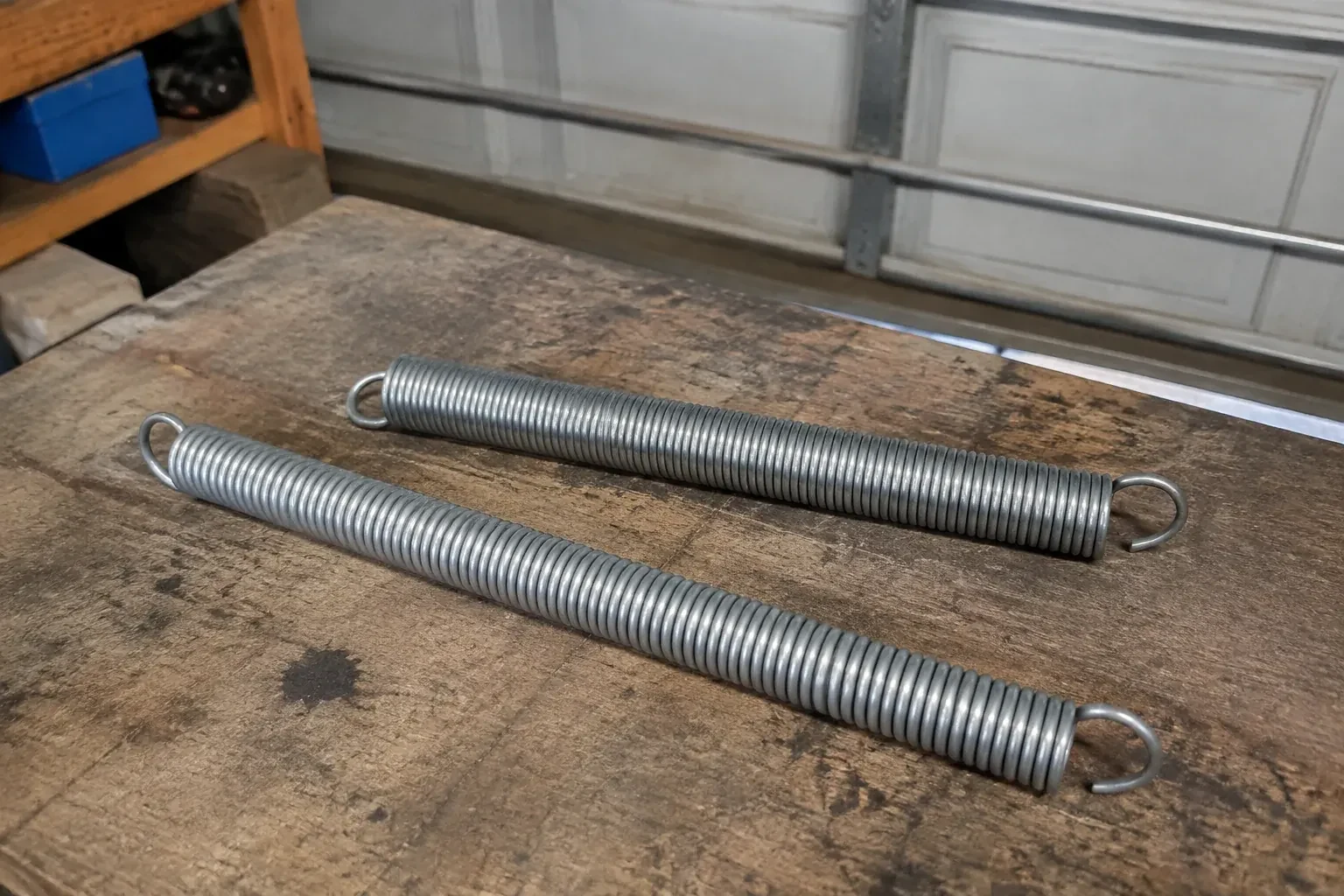
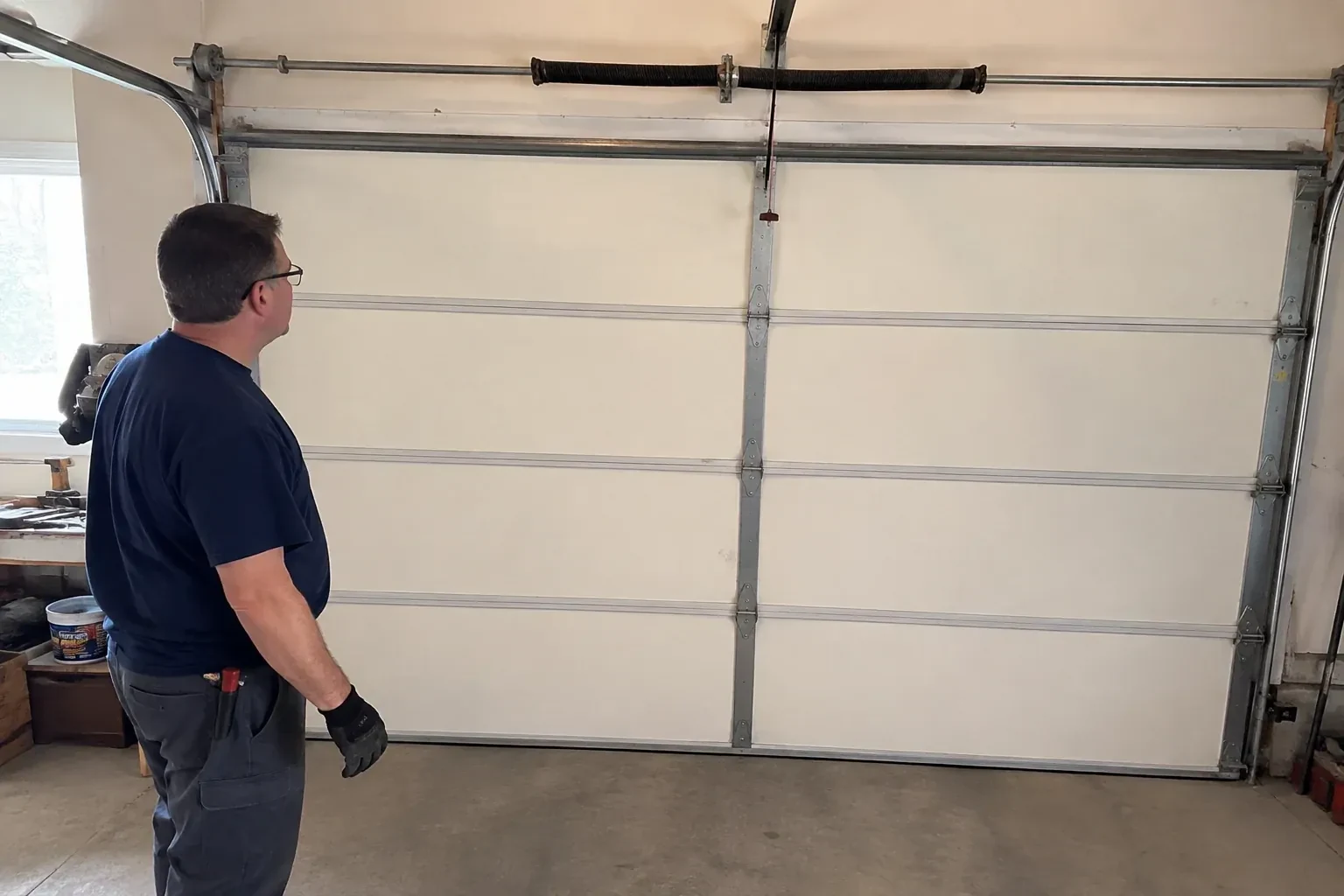
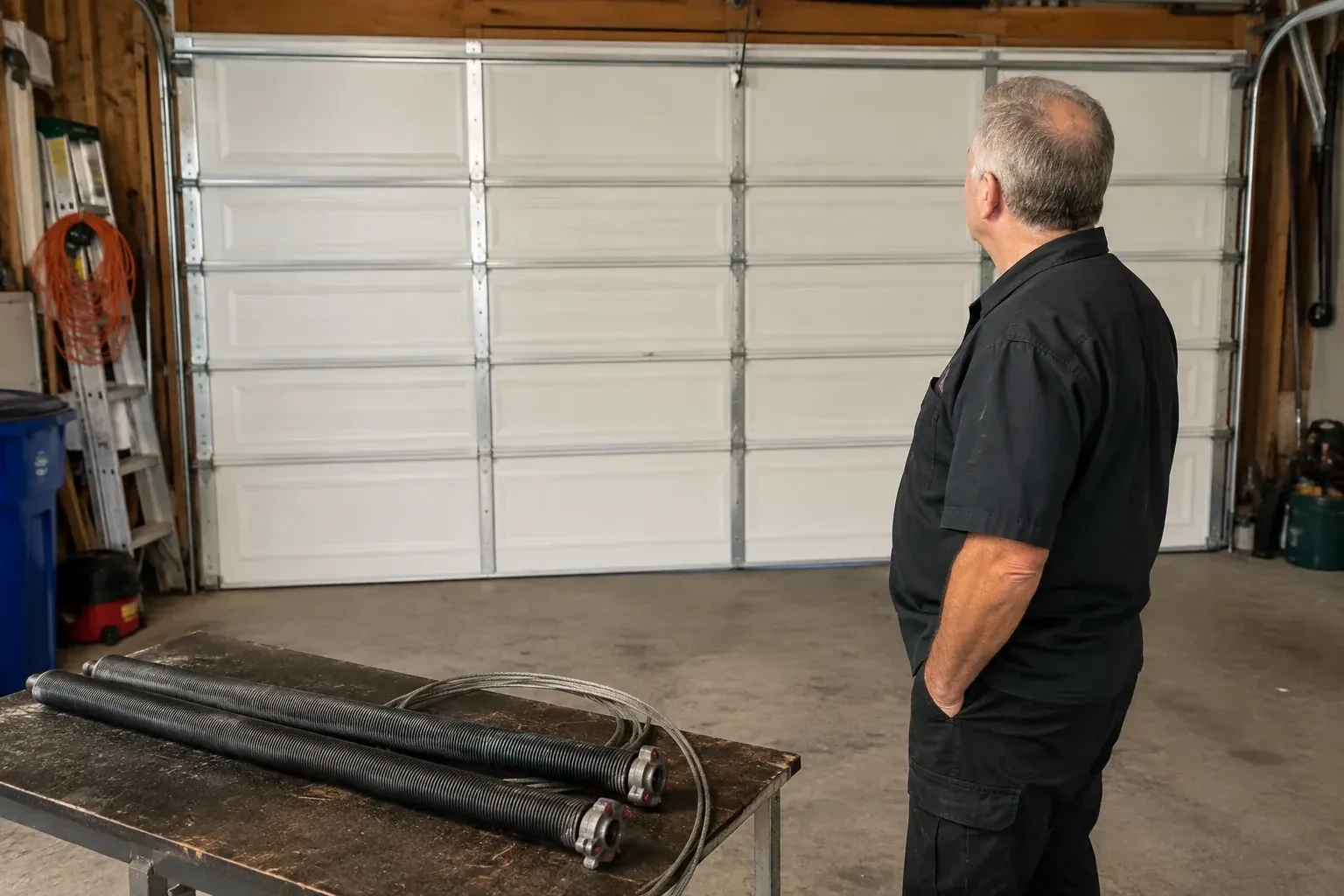
Extension and torsion systems fail differently. A torsion spring breaks with a bang and leaves a visible gap in the coil; an extension spring stretches, sags or snaps at the hook. We work on both and know the signs of each.
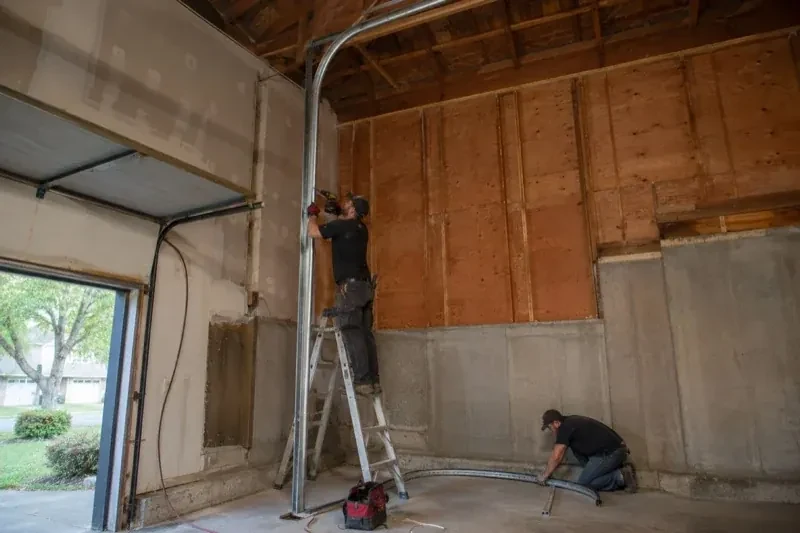
An installation ends with a walk-through. We show you the emergency release, the wall console, how to pair the remotes and what a balanced door feels like when you lift it by hand, so you know your door from day one.
WhyFor a home you have just bought, or one you are about to sell, the inspection gives the door a starting point.
Every morning the door announces itself to the whole street: a long metallic squeal as it climbs, a rattle at the top, and a groan on the way back down.
The door is parked in a safe position, usually closed, with the opener disconnected so nobody runs it by habit, and the reason is shown to you. The correction is explained and quoted as its own piece of work, and once it is done the door is retested through the balance, reversal and photo-eye checks before it goes back into daily service. Another door into the house or garage is used in the meantime.
Is a tune-up worthwhile on a door that seems to work fine?
Yes, because a garage door wears quietly. Hinge pins run dry long before they squeal, screws back out a turn at a time, springs lose tension by degrees and sensors drift. A yearly tune-up keeps the door in the condition its maker intended, catches a fraying cable or a cracked hinge while it is a small job, and confirms the safety reversal is doing its work. It is the same logic as an oil change on a car that is still running.
Can the replacement section be a different style, as an upgrade?
Within one door, sections need to share the same joint profile, thickness and hinge spacing, so a section from a different design generally does not mate with its neighbours. What you can change is a detail the manufacturer offers for your model, such as ordering the top section with windows or adding decorative hardware. If you want a genuinely different look or insulation level, that is a conversation about a new door rather than one section.
My key will not turn in the cold. What is happening?
Meltwater has run down the door face into the keyway during a thaw and frozen overnight, or cold has stiffened old lubricant inside the cylinder. Lock de-icer or gentle warmth frees it; hot water is avoided because it refreezes and can crack cold metal. Afterwards the cylinder is dried and given a dry graphite or PTFE lubricant that sheds moisture instead of trapping it.
How should I lubricate the hinges?
A short burst of silicone or white lithium spray made for garage doors on each hinge knuckle and roller stem, spring and autumn, then run the door a few times to work it in. Wipe away any excess. Skip heavy grease and general-purpose oil, which trap grit and salt against the steel. Leave the track dry and simply wipe it clean, since lubricant in the track makes wheels slide instead of roll.
Should I try to open the door by hand before the technician arrives?
No need, and it is easier on the door if you leave it. With a spring broken or slack, the door is unbalanced and heavy, and lifting it can let it drop or twist a section in the track. If the door is stuck partway, leave it there and keep people and the car away from the opening. The technician brings clamps and props, and the door is secured before it is moved at all.
My opener went completely dead after a power outage. Is it finished?
Not usually. Outages and the surges that ride along with them commonly trip a breaker or a ground-fault receptacle, blow the small fuse on the board, or knock out the transformer, and each of those is a modest repair. A surge that damages the logic board itself is the more serious case, and whether that board is replaced or the unit retired depends on the model's age and part availability. The diagnosis tells you which case you have.
What are the plastic shavings under the motor head?
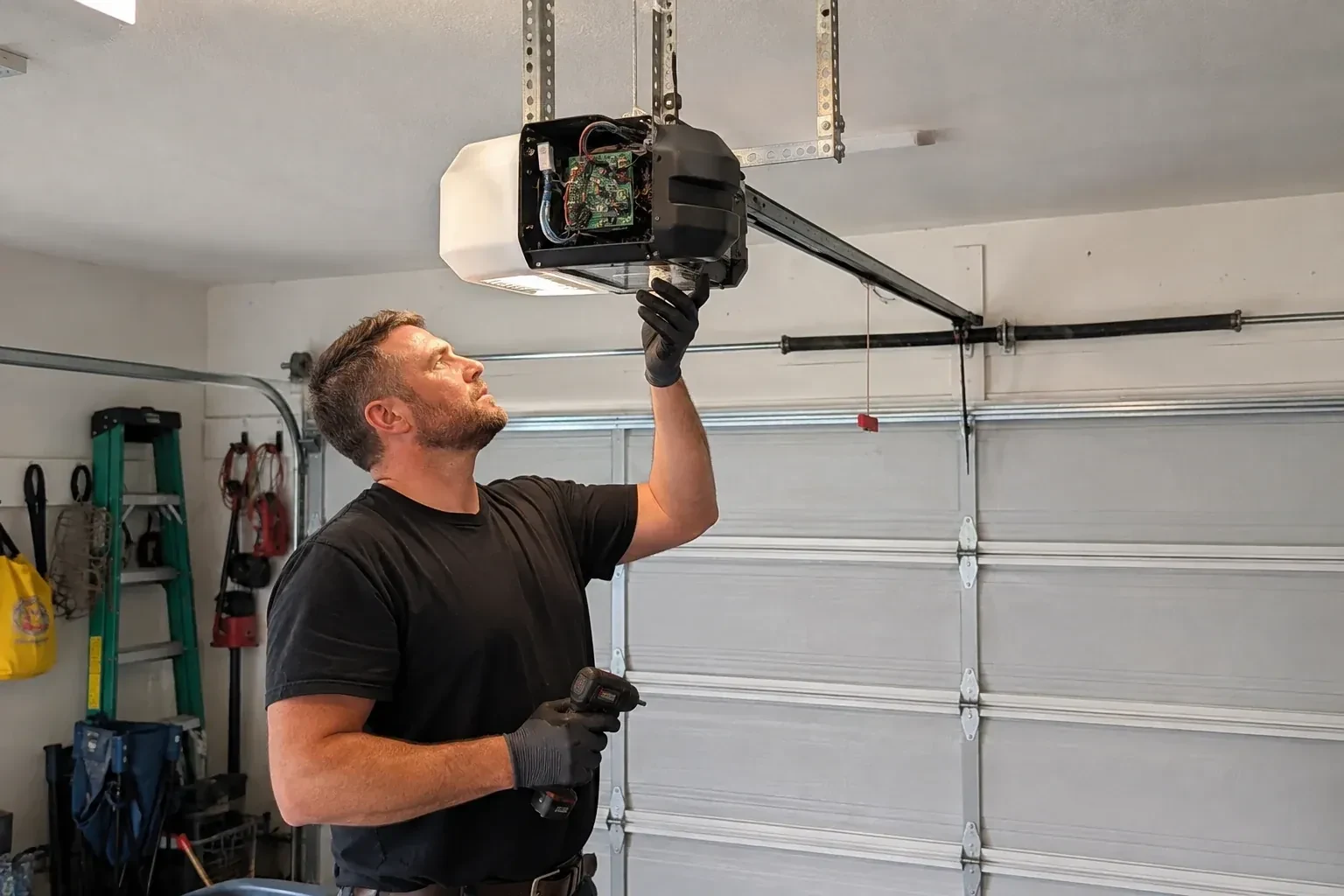
They are from the drive gear inside the head unit, which is stripping its teeth. On a belt drive the gear turns the sprocket that moves the belt, so a stripped gear leaves the motor humming and the belt still. The gear-and-sprocket kit is replaced as a set, the shaft's end play is checked, and the belt is refitted and phased.
Why are new springs selected for the replacement door?
Counterbalance springs are chosen around the completed door's weight, height, track arrangement and intended travel. Insulation, steel skins, windows and reinforcement all contribute to that load. A spring combination from a different assembly may provide unsuitable torque even when it physically fits. Matching the counterbalance to the ordered door supports manageable manual movement and orderly cable travel.
How should a repaired door be lubricated?
Use the product and interval specified by the door manufacturer. Hinges, roller bearings, shaft bearings and springs may have defined lubrication points, while track generally benefits from being clean rather than coated with material that holds grit. High-use openings may need a different schedule. The service record can note what was applied and where for consistent future care.
Request a visit
When you call about a garage door in Conn, a technician comes to the house, looks at the whole door and tells you what he found before anything is taken apart. The cost is worked out on site from that assessment rather than guessed from a description, and the fee is the same whatever hour the visit happens to fall in.