Openers · Centre Wellington
Garage Door Remote and Keypad Programming
Your remote was in the visor when the car was broken into last night.
In plain words
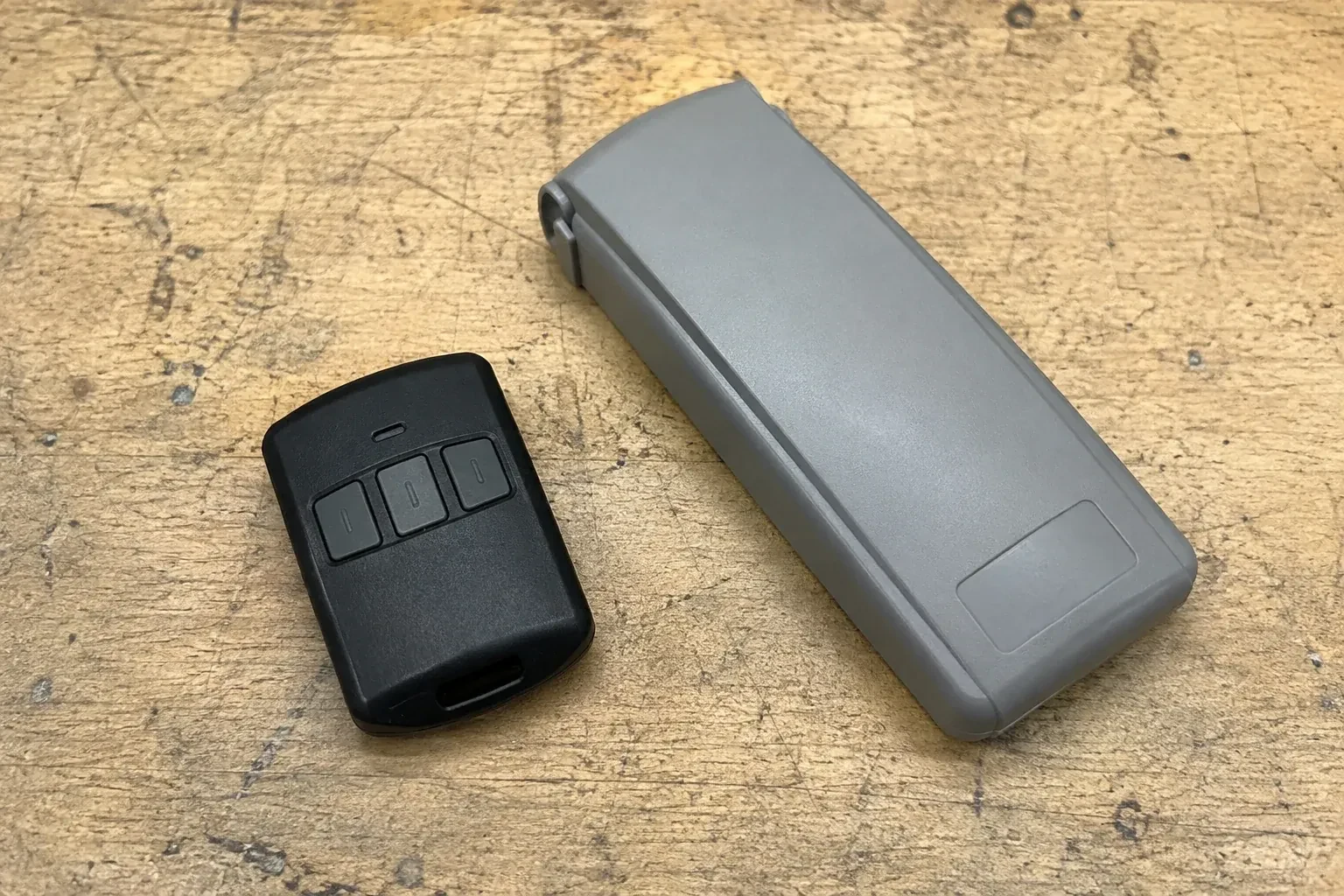
Over the years a garage accumulates controls: a remote in each car, one on a hook by the door, a keypad outside, a button in a vehicle you sold. Programming is the moment to take stock. The technician lists what exists, what works and what is missing, decides with you what should stay, and rebuilds the opener's memory to match. Each retained device is tested at the door and labelled for the door it drives. You leave with a short record of what opens the garage and what was removed, without any secret code written on it.
How the visit goesYour remote was in the visor when the car was broken into last night. So was the insurance slip with your address on it. The door still answers that remote, wherever it is now, and you would very much like it not to.
Garage Door Remote and Keypad Programming
How the visit goes

Vehicle buttons and phone apps
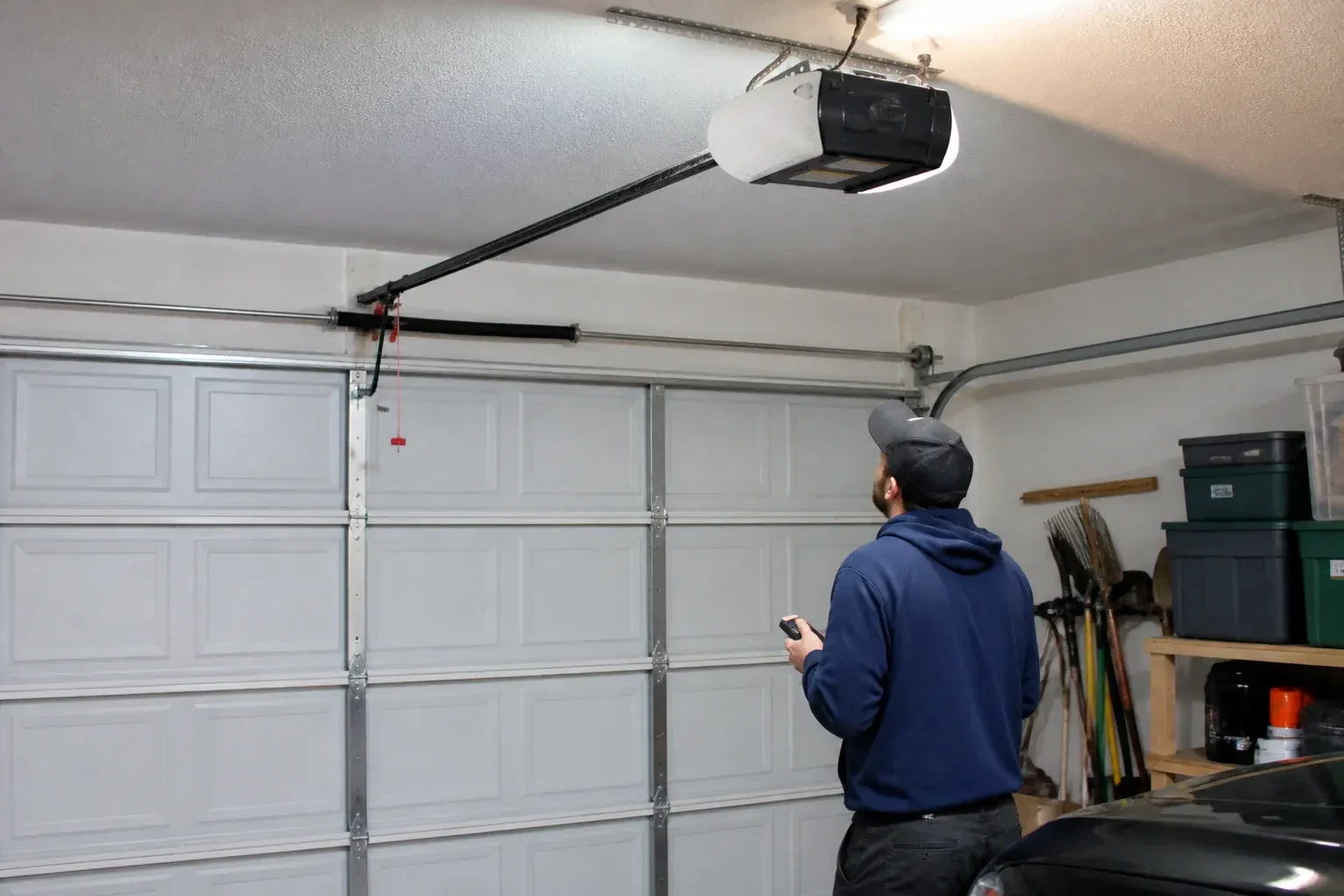
Cars with built-in garage buttons and openers with a phone connection are part of the inventory too. The technician asks which vehicles are programmed, whether a new car needs training, and whether a previous owner's phone might still be linked to a connected opener. For a vehicle, the model year matters, because some older in-car systems need a small compatibility module to talk to newer openers. For an app, the account should be in the household's name. Each of these is a control like any other and gets the same test at the door, so the check lists them alongside the handheld remotes and the keypad.
Releasing lock mode and other simple resets
Some remotes are dead because the opener has been told to ignore them. The wall control's lock or vacation feature does exactly that, and shows itself as an indicator that blinks continuously and an opener light that flashes twice when a remote is pressed. The technician holds the lock button until the blinking stops and every remote comes back at once. A single remote with a stuck button, a bent battery clip or corroded contacts is opened and repaired or replaced. These are quiet fixes, but they are done deliberately and tested, because a household that thinks it has a programming problem often has a switch problem.
Range you can rely on
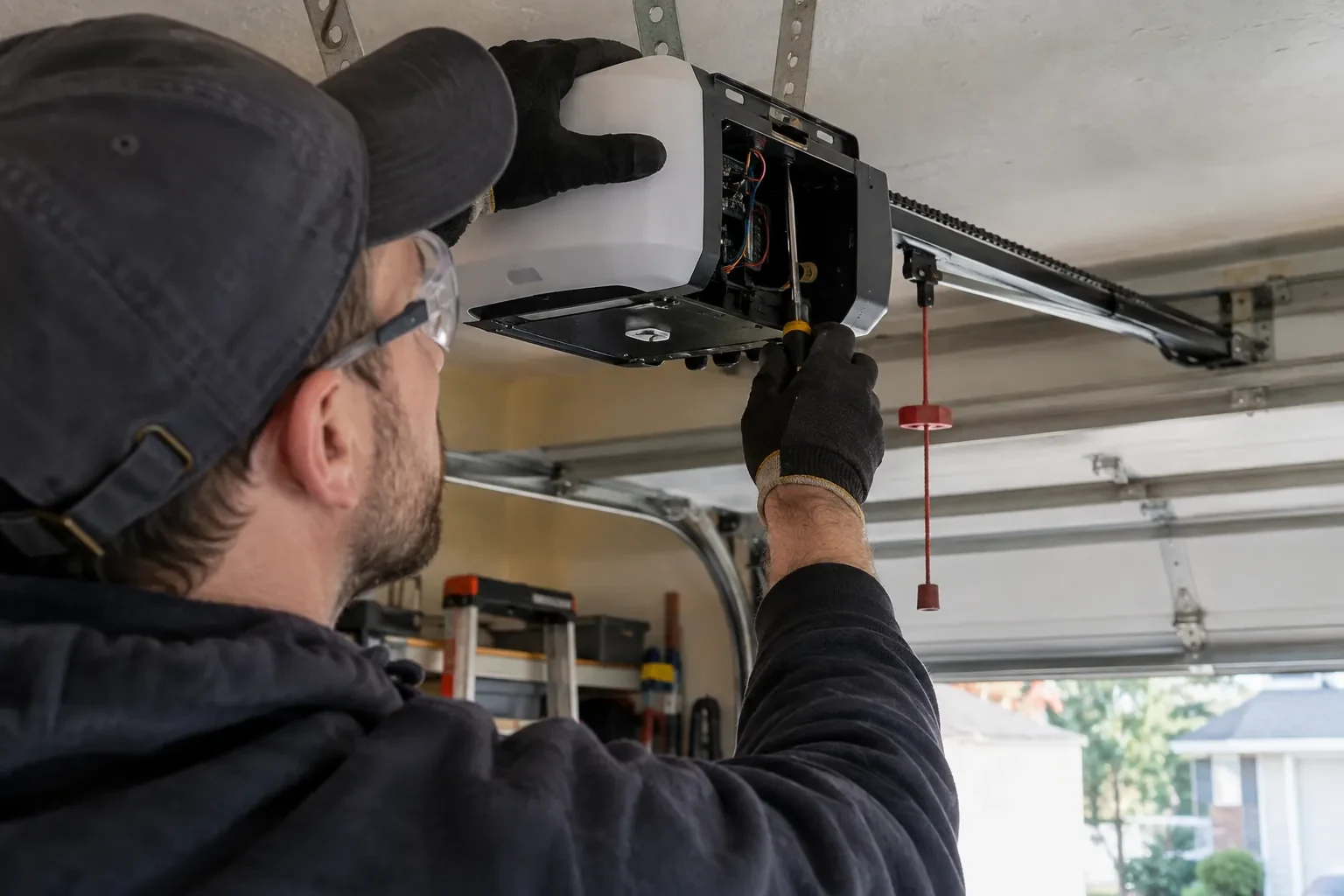
If range was part of the problem, you leave with a remote that works from the street rather than from under the door, and with the reason explained: the bulb that was swapped, the antenna that now hangs free, the cell that was replaced. Keep the antenna wire uncoiled and clear of the light cover when bulbs are changed, and choose bulbs marked as suitable for garage door openers. If range shrinks again over the coming months, the first suspects are a fading battery and a new electronic device in the garage, in that order.
Garage Door Remote and Keypad Programming
In the van
In-vehicle compatibility bridge module
AAA and nine-volt keypad batteries
Universal multi-generation remote
Contact cleaner and fibreglass brush
Add-on rolling-code receiver kit
Garage Door Remote and Keypad Programming
What affects the quote
Range and interference work
Swapping bulbs, freeing the antenna and re-testing range from the street is a small addition when remotes work only up close.
Add-on receiver for an older opener
Converting a fixed-code opener means a receiver kit, wiring to the wall-button terminals and new remotes, quoted as an upgrade rather than a programming call.
Receiver or logic board fault found
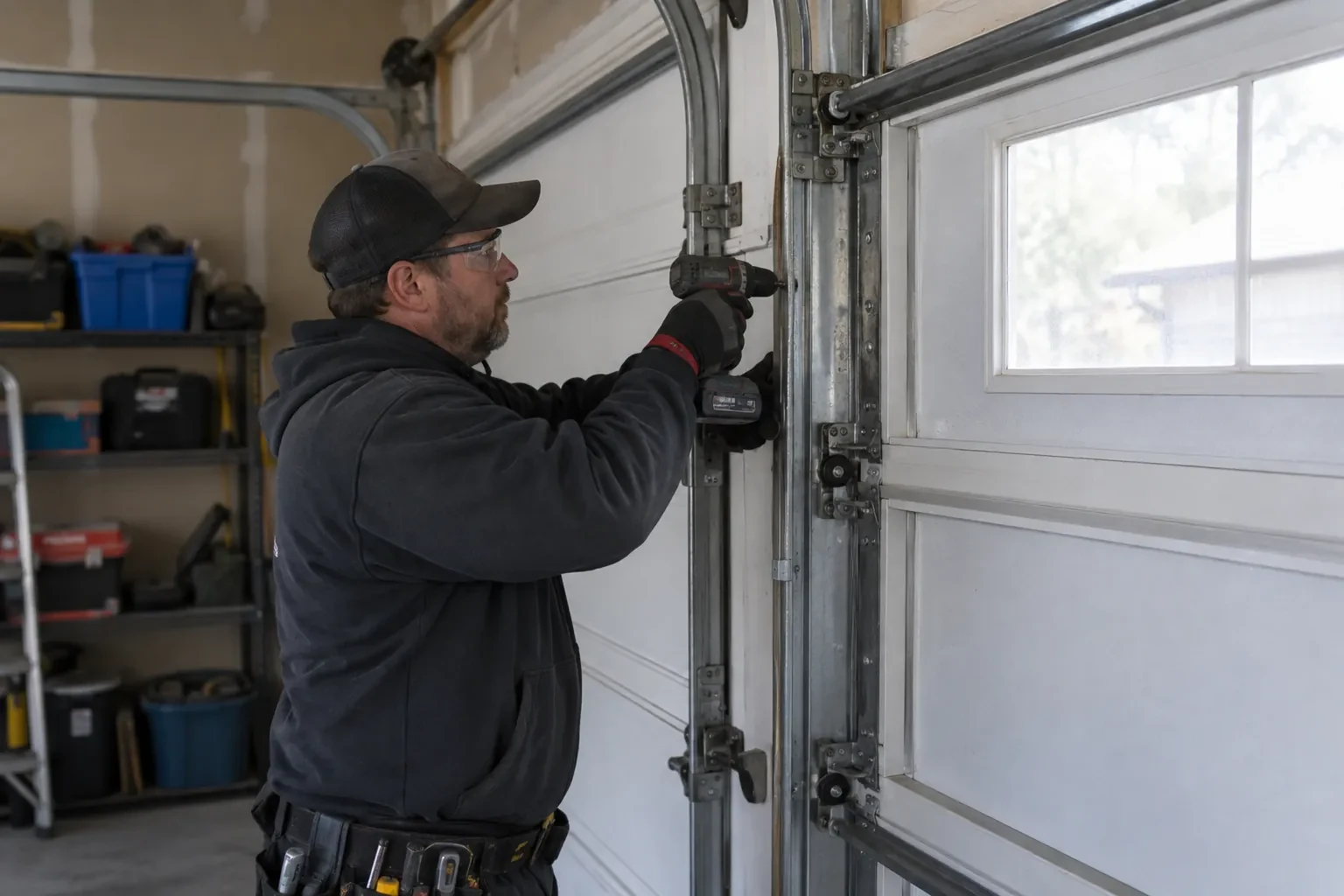
If a known-good remote also fails, the receiver or board is the cause; its diagnosis and replacement are quoted separately from programming.
What to have ready
- Have the bulbs in the opener been changed to LEDs recently?
- Do you have a keypad outside, and does anyone still know its code?
- Is the light on the wall control blinking steadily?
Garage Door Remote and Keypad Programming: questions
QuestionsWill unplugging the opener reset the remotes?
No. The stored controls survive a power cut or a long unplugging; the opener remembers them when power returns, and manufacturers say this plainly. Removing a control is done at the learn button, following the model's sequence, either by erasing the whole memory or, on some models, by deleting a single device through a supported wall control or app. That is reassuring after an outage and important after a lost remote.
We just moved in. Should the opener's memory be cleared?
Yes, it is sensible. The previous owners may have handed over two remotes while a third sits in a relative's car, and the keypad code may be known to their cleaner. Clearing the memory forgets every stored remote and keypad code, then your own remotes, a new keypad code and your vehicle buttons are programmed back; a connected app or account from the previous owner is removed separately, since clearing the memory alone does not always take it with it.
What should I gather before the technician arrives?
Every remote you own, working or not, and the keypad if it has been taken down. The opener's model label or a photo of the learn button under the light cover. The cars whose buttons need training, parked close to the door. A note of who should have access and whether any remote is missing. A code in mind for the keypad. All of this shortens the visit and makes the handover complete.
Related services
- Chain-Drive Opener RepairThe door opens about a third of the way and stops.
- Belt-Drive Opener RepairThe belt looks fine from a distance, but up close the rubber has cracked across the back in dozens of places and, in one spot, you can see the steel cords showing through.
- Garage Door Opener ReplacementSince the storm the door behaves oddly: it reverses halfway down for no reason, the light flickers, and the travel limits drift so it either slams or stops short.