New Doors · Centre Wellington
Commercial Sectional Door Repair in Centre Wellington
The operator runs and the drive chain moves, yet the sectional door hesitates near the floor.
In plain words
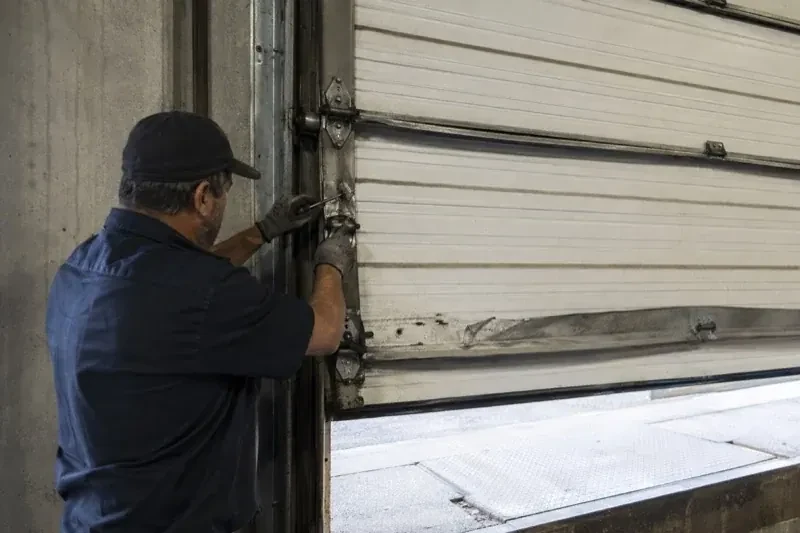
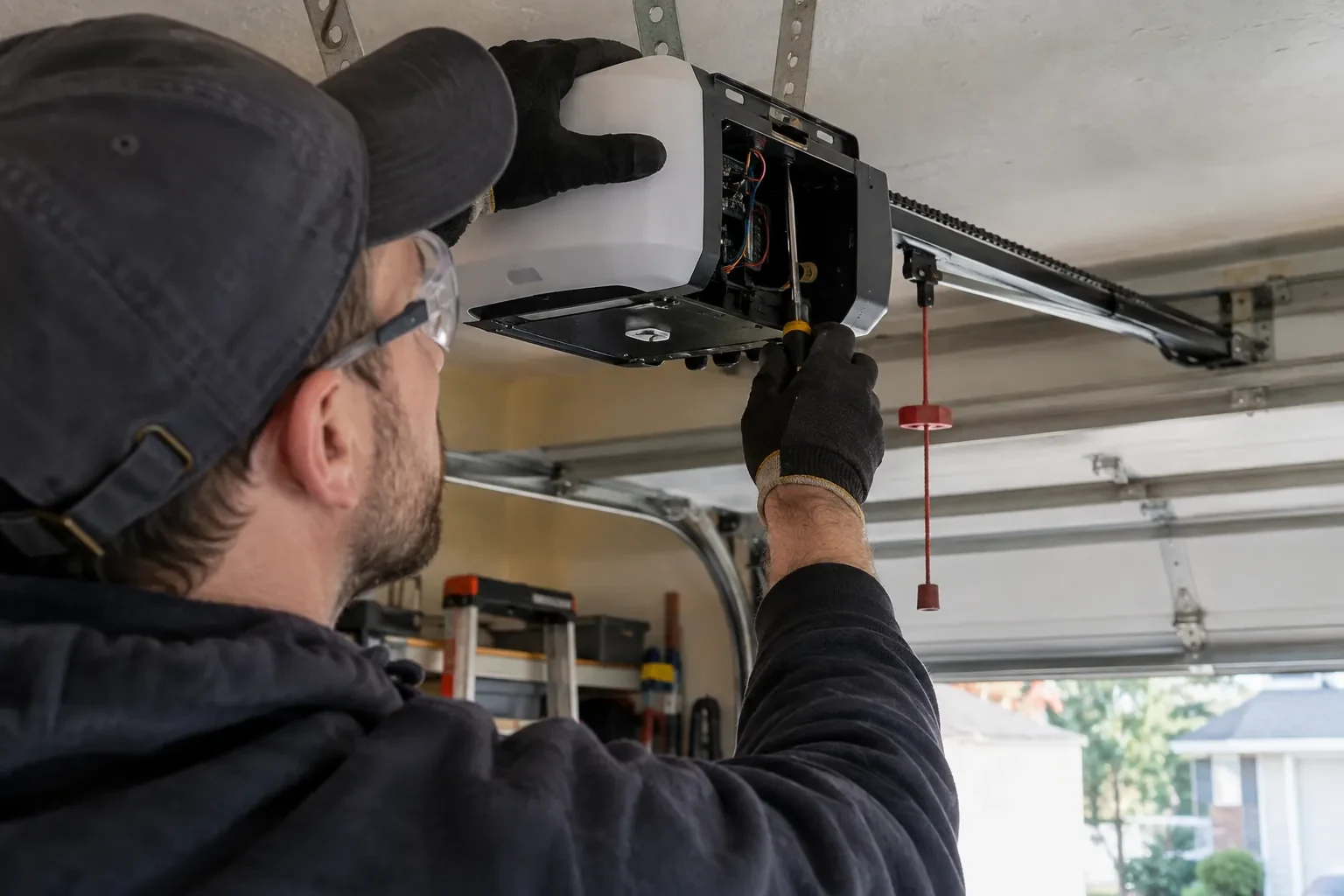
Commercial sectional door repair addresses the connected parts that guide, balance, seal and power a hinged overhead door. The visit begins by securing the opening and identifying whether the trouble started with impact, wear, corrosion, alignment or the operator. Sections, track, hinges, rollers, cables, springs, drums and controls are then checked as a complete system. Compatible parts are fitted, geometry and balance are restored, and the assembly is cycled through its working range so the bay returns to predictable operation.
How the visit goesThe operator runs and the drive chain moves, yet the sectional door hesitates near the floor. It feels unusually heavy during manual operation, pointing to a counterbalance problem rather than a simple control-station fault.
Commercial Sectional Door Repair
How the visit goes
Reviewing high-lift geometry
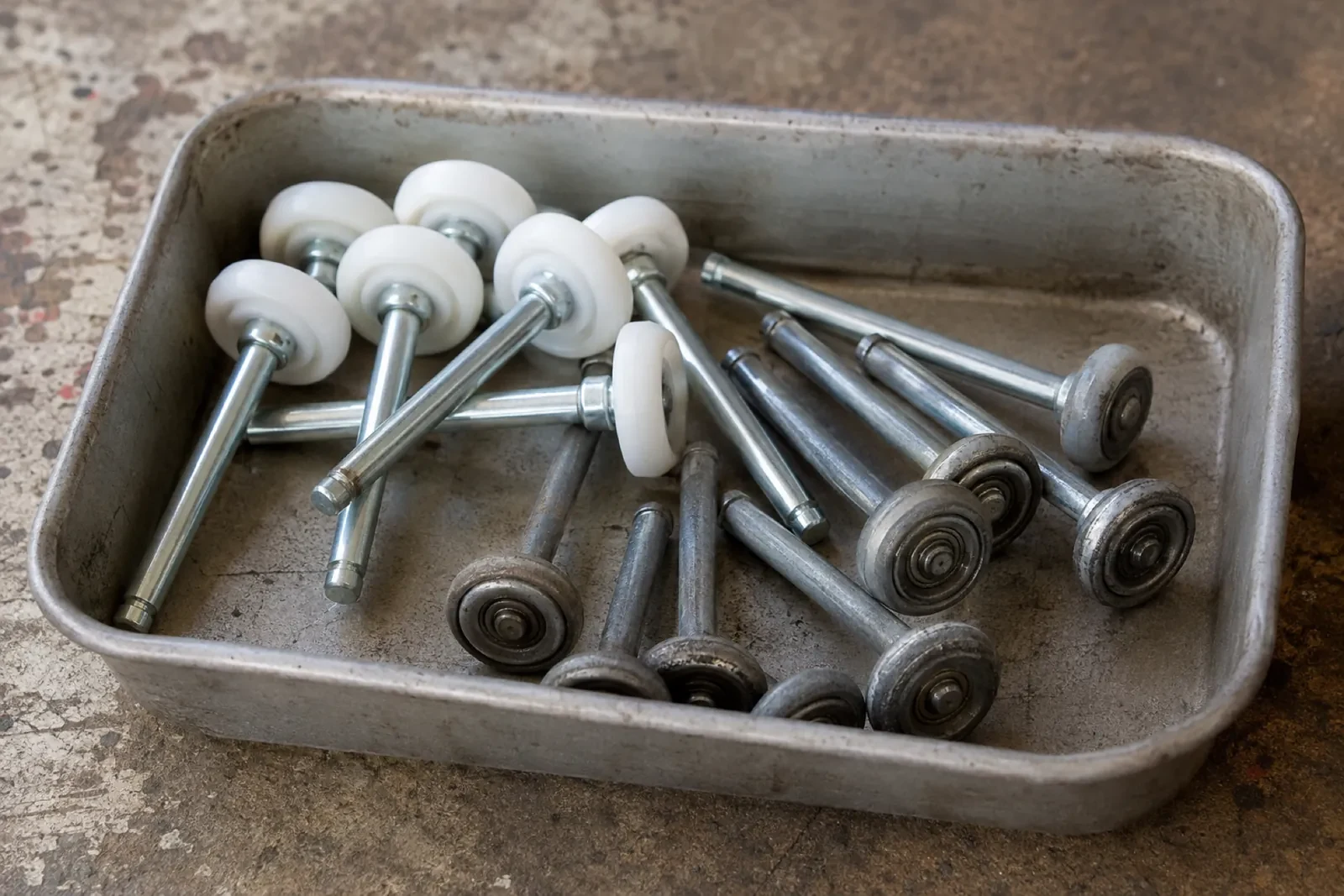
High-lift and vertical-lift systems are identified before components are ordered. The technician records door dimensions, track rise, drum arrangement, shaft location, cable path, spring information and operator connection. Back hangs, sway braces, track splices and end stops are examined because movement overhead can appear as cable trouble below. Cable tension is observed at key transitions, especially near the open position. The resulting measurements guide part selection and show whether the fault came from wear, lost support, changed adjustment or a mismatch within the lift arrangement.
Controlling the door before repair
Work begins by separating the bay from normal traffic and placing the door in the safest workable position for the identified fault. Electrical controls are isolated where the task calls for it, and the assembly is held with clamps, locking pliers or rated supports suited to its weight and track type. Stored spring force is managed with proper winding tools and a planned sequence. With movement controlled, hardware can be removed without letting a crooked section, slack cable or broken spring shift the rest of the system.
High-lift cables that remain controlled
Corrected lift geometry leaves the cables tensioned and seated as the door moves from vertical travel into its upper position. Because overhead components can be difficult to view from the floor, the service record should capture the drum, cable and spring details used in the repair. Staff can monitor the visible lower cable runs and listen for changes near the transition. A planned inspection can then review track supports, shaft bearings and cable condition at height with suitable access equipment, preserving the adjustments made during repair.
Commercial Sectional Door Repair
In the van
Reinforcement struts
Bottom fixtures
Shafts and bearings
Torsion springs
Vertical and horizontal track
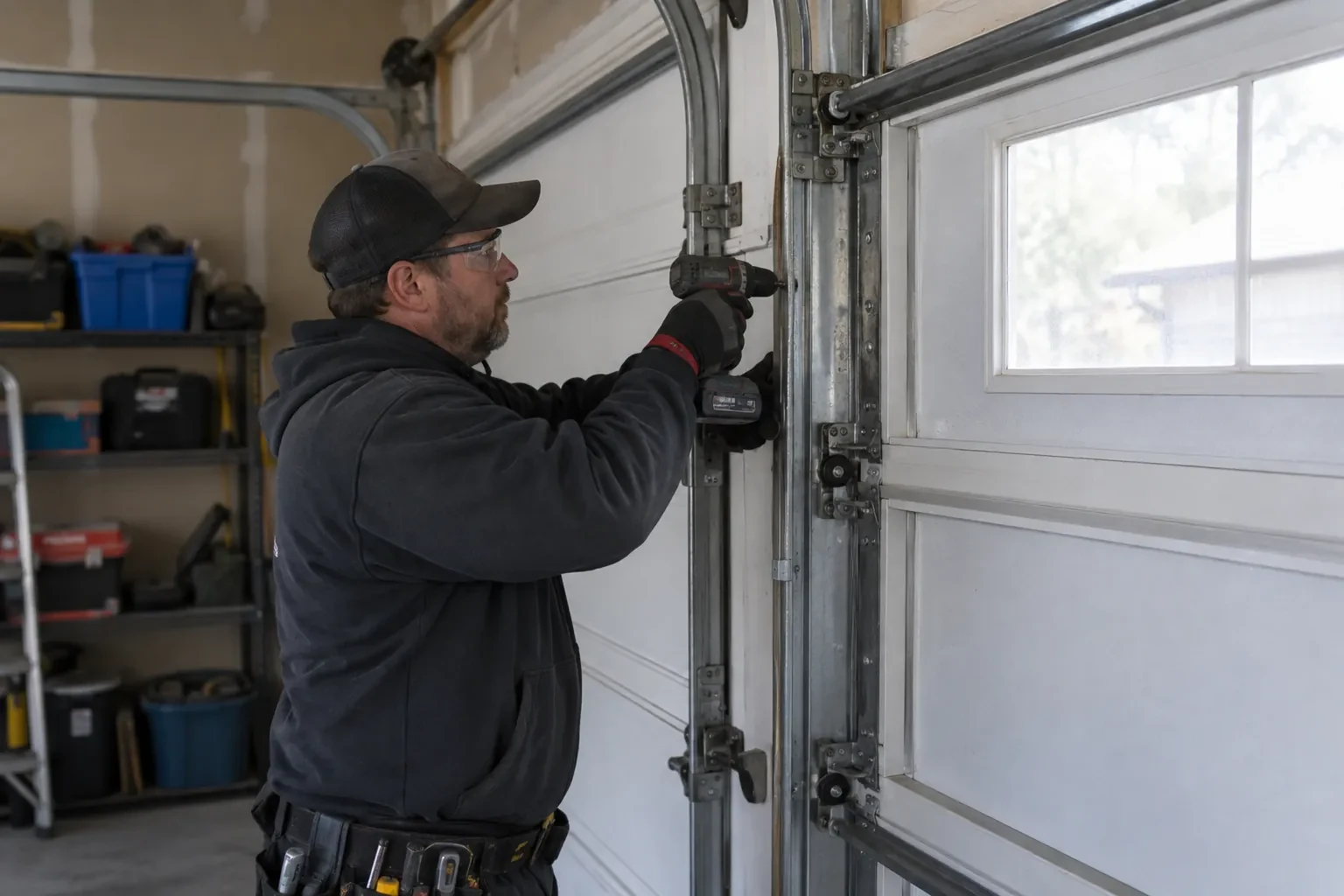
Commercial Sectional Door Repair
What affects the quote
Extent of impact transfer
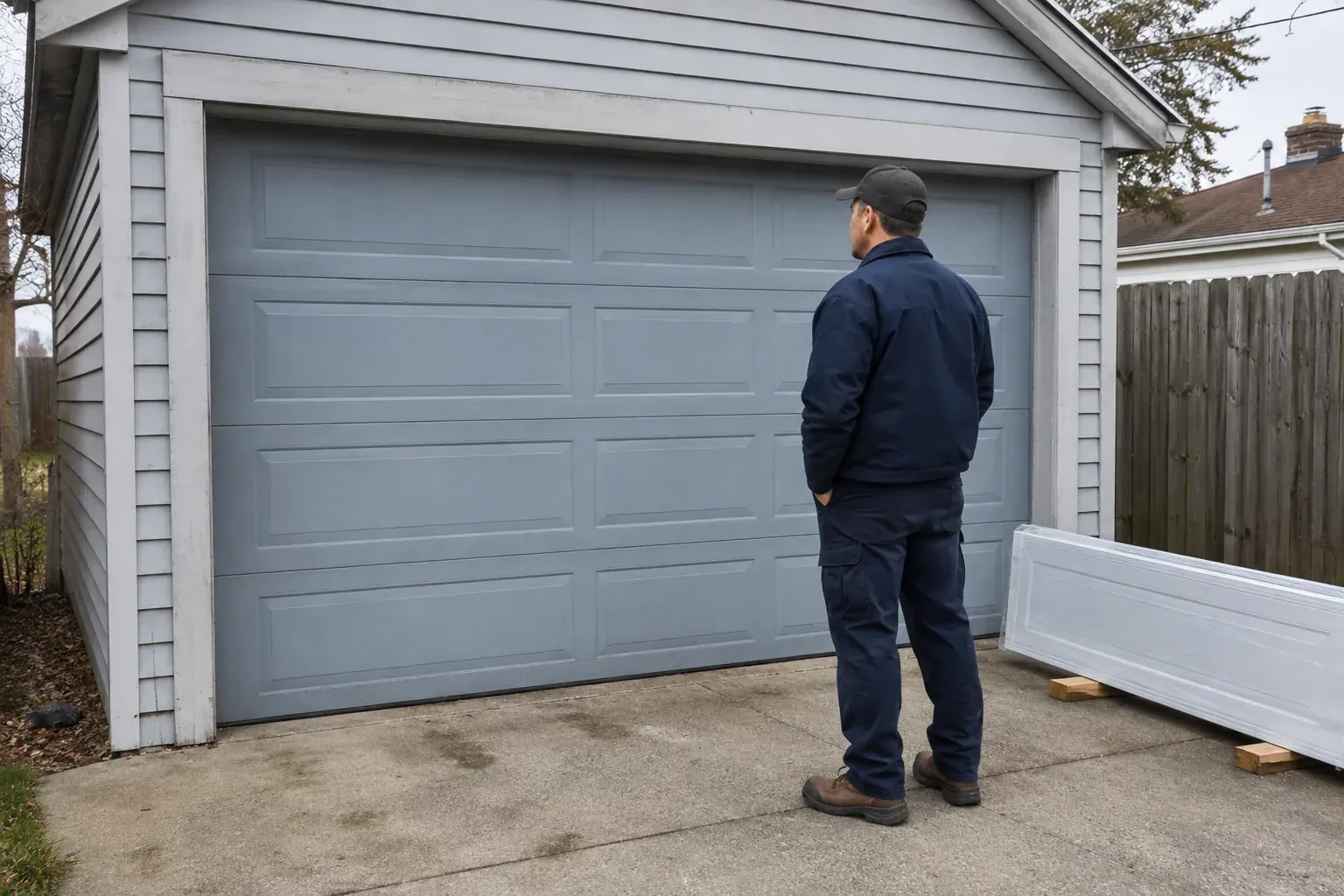
A dent confined to one section differs from force that also bent an end stile, roller, guide rail, jamb bracket or supporting anchor.
Weather-seal work
Bottom rubber alone is different from a bent retainer, uneven landing, damaged perimeter seal or drainage issue that also needs correction at the opening.
Track support condition
Loose back hangs, shifted brackets, damaged splices or weak anchors add alignment and support work beyond replacing the visibly bent length of track.
What to have ready
- Does the door rise level on both sides?
- Are any cables visibly loose, crossed or frayed?
- Is the door closed, open or stopped between positions?
Commercial Sectional Door Repair: questions
QuestionsCan several doors be assessed during one facility visit?
Yes. Numbering each opening and providing a short symptom list keeps the assessment organized. The technician can define the requested repair for the affected door and record visible conditions on comparable doors separately. Shared model data and installation history may help with parts planning, while each opening still receives its own mechanical and control checks before any work is scoped.
How should a repaired door be lubricated?
Use the product and interval specified by the door manufacturer. Hinges, roller bearings, shaft bearings and springs may have defined lubrication points, while track generally benefits from being clean rather than coated with material that holds grit. High-use openings may need a different schedule. The service record can note what was applied and where for consistent future care.
What should be recorded after the work is finished?
Keep the door asset number, date, reported symptom, diagnosed cause, parts installed, adjustments made and functions tested. Spring, cable, panel and operator identifiers are especially useful for later service. Notes about impact location, corrosion or unusual cycle demand add context. A precise record helps facility staff compare future changes and prepare relevant information for the next visit.
Related services
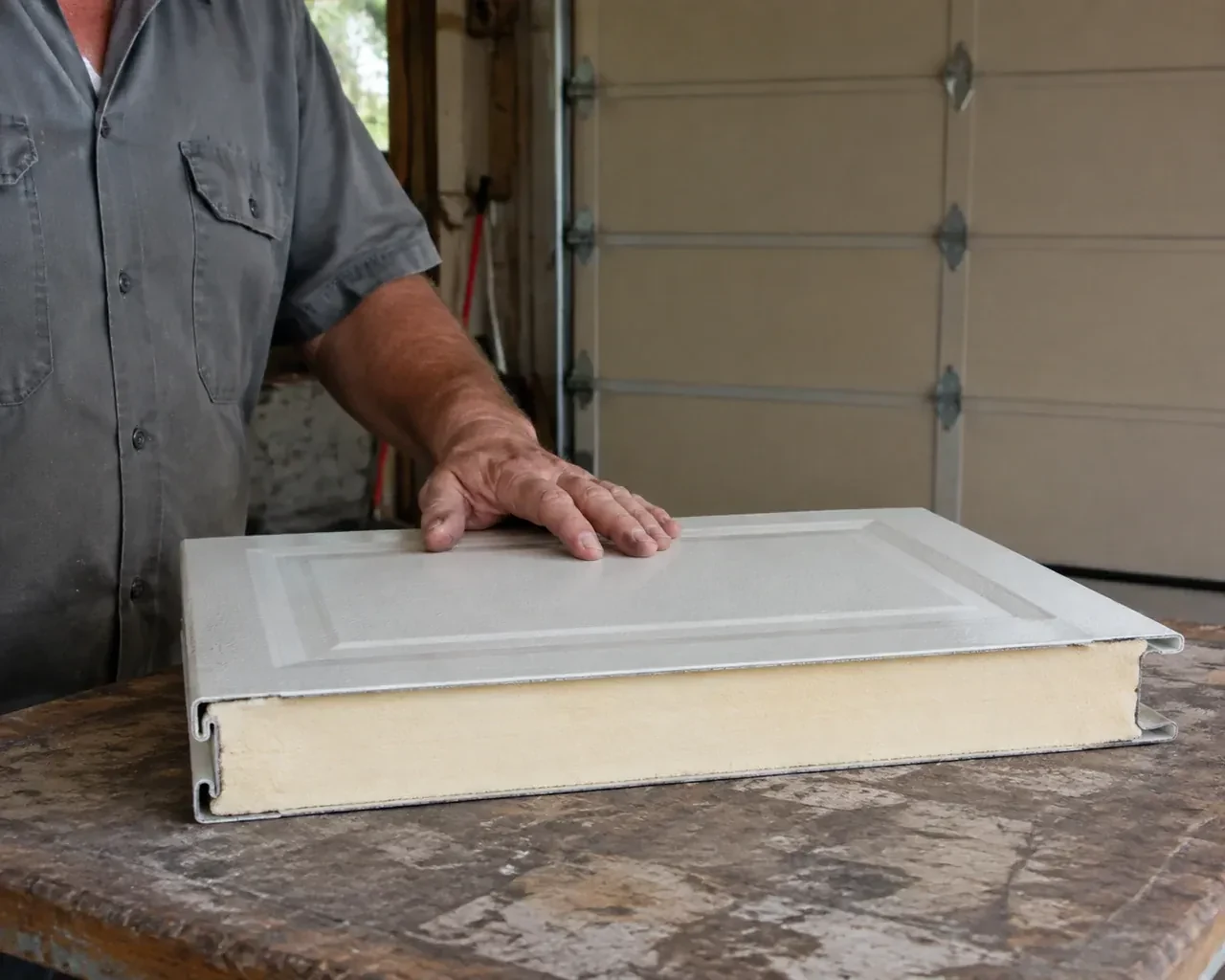
- Insulated Steel Garage Door InstallationA refreshed exterior has made the faded garage door stand out.
- Wind-Rated Garage Door ReplacementNew windows would improve the door's appearance, but they also change the section layout and reinforcement pattern.
- Carriage-House Garage Door InstallationYour garage door works, yet its broad plain panels feel disconnected from the brick, gables and entry details around them.