New Doors · Mapleton
Commercial Sectional Door Repair in Mapleton
The operator runs and the drive chain moves, yet the sectional door hesitates near the floor.
In plain words
For a facility with several sectional doors, the repair visit can separate one isolated failure from wear shared across similar openings. Door identification, cycle demand and service history help explain why one bay developed loose hinges, tired rollers or spring imbalance first. The affected opening receives the defined repair, while comparable components on adjacent doors can be visually noted for planning. A clear service record then identifies what changed, which settings were tested and what routine observations facility staff can continue between visits.
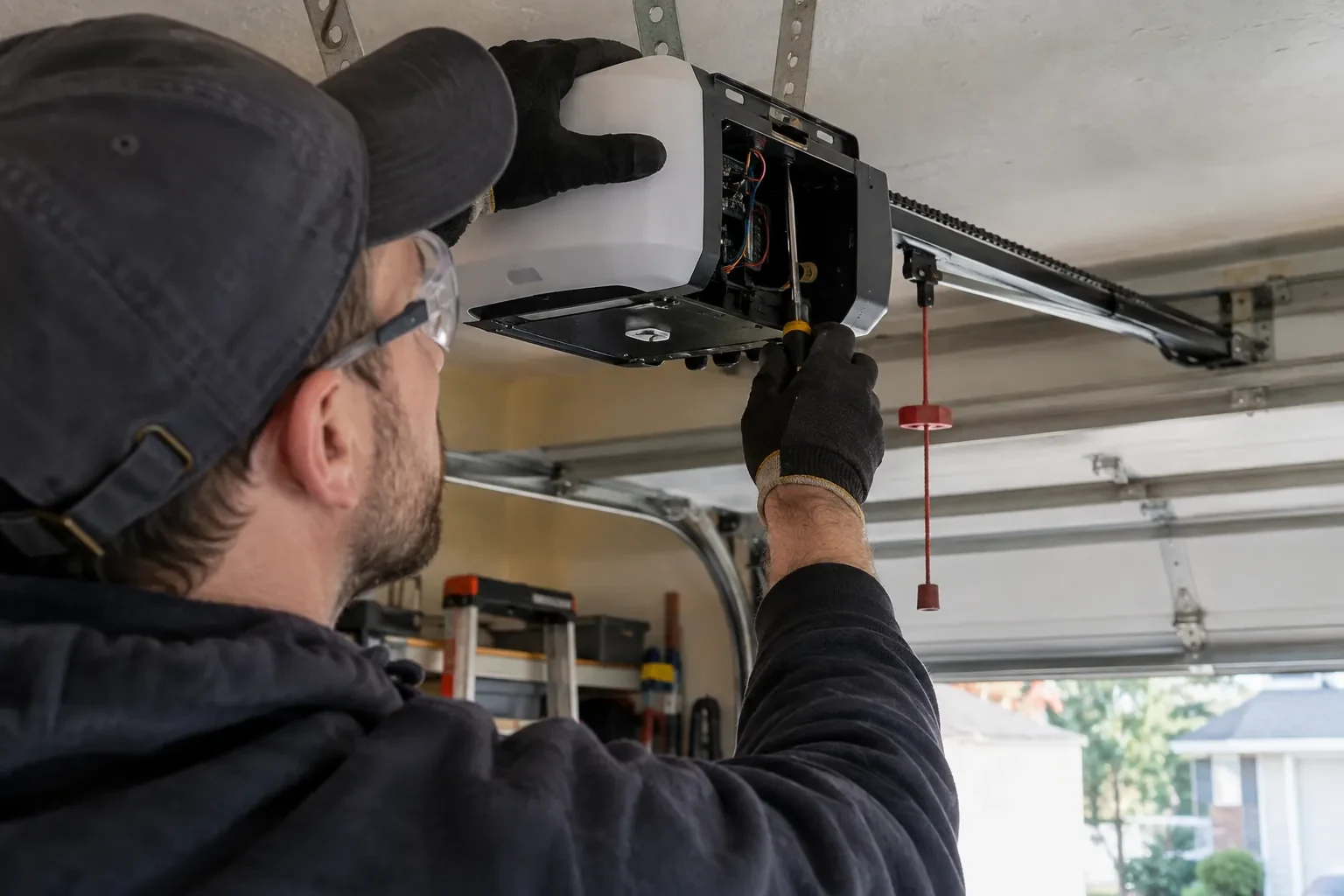
How the visit goesThe operator runs and the drive chain moves, yet the sectional door hesitates near the floor. It feels unusually heavy during manual operation, pointing to a counterbalance problem rather than a simple control-station fault.
Commercial Sectional Door Repair
How the visit goes
Inspecting the closed opening
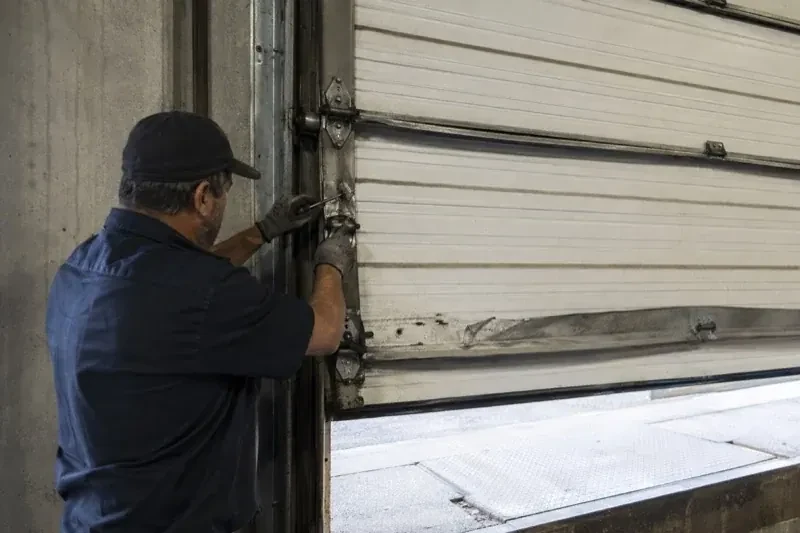
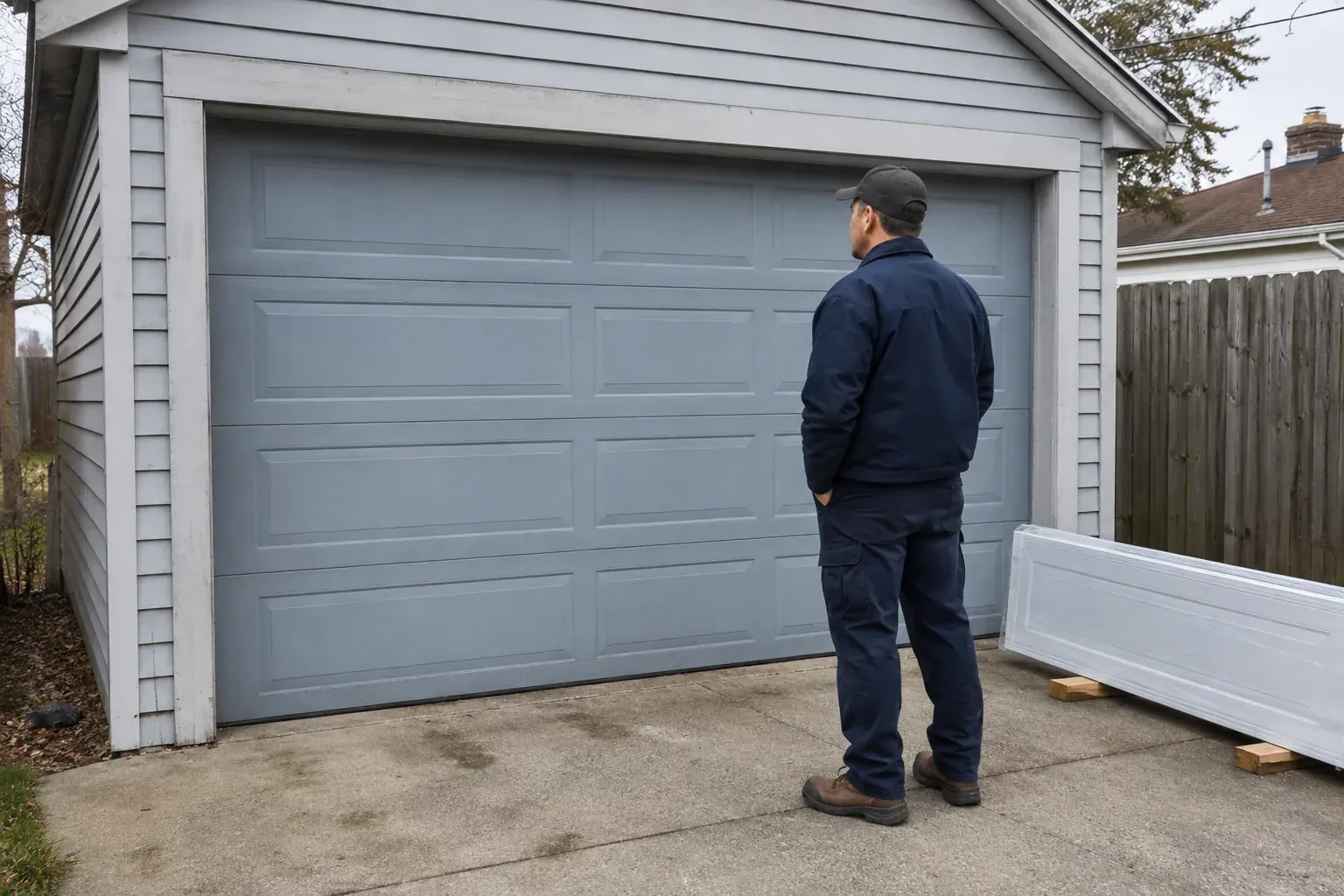
A door that leaks air or admits slush is examined in its fully seated position. The technician compares the bottom edge with the floor, checks compression along the seal and looks for a bent retainer or distorted lower section. Side and header weatherstrip contact is observed without forcing the sections against the jambs. Light gaps can also reveal a door that is out of level or a track set too far from the opening. The assessment connects seal condition with landing position so the repair improves fit without creating binding during travel.
Replacing an impact-damaged section
The affected section is supported while hinges, rollers and connected hardware are transferred or renewed. The replacement is matched for thickness, construction, profile and required reinforcement so it fits the neighbouring sections and carries the same hardware pattern. Bent end stiles or struts are addressed as part of the section assembly. Rollers are returned to the correct hinge positions, section joints are aligned and fasteners are set securely. Track clearance is then checked through the curve so the new panel travels without rubbing or opening gaps.
Quieter hardware with a care routine
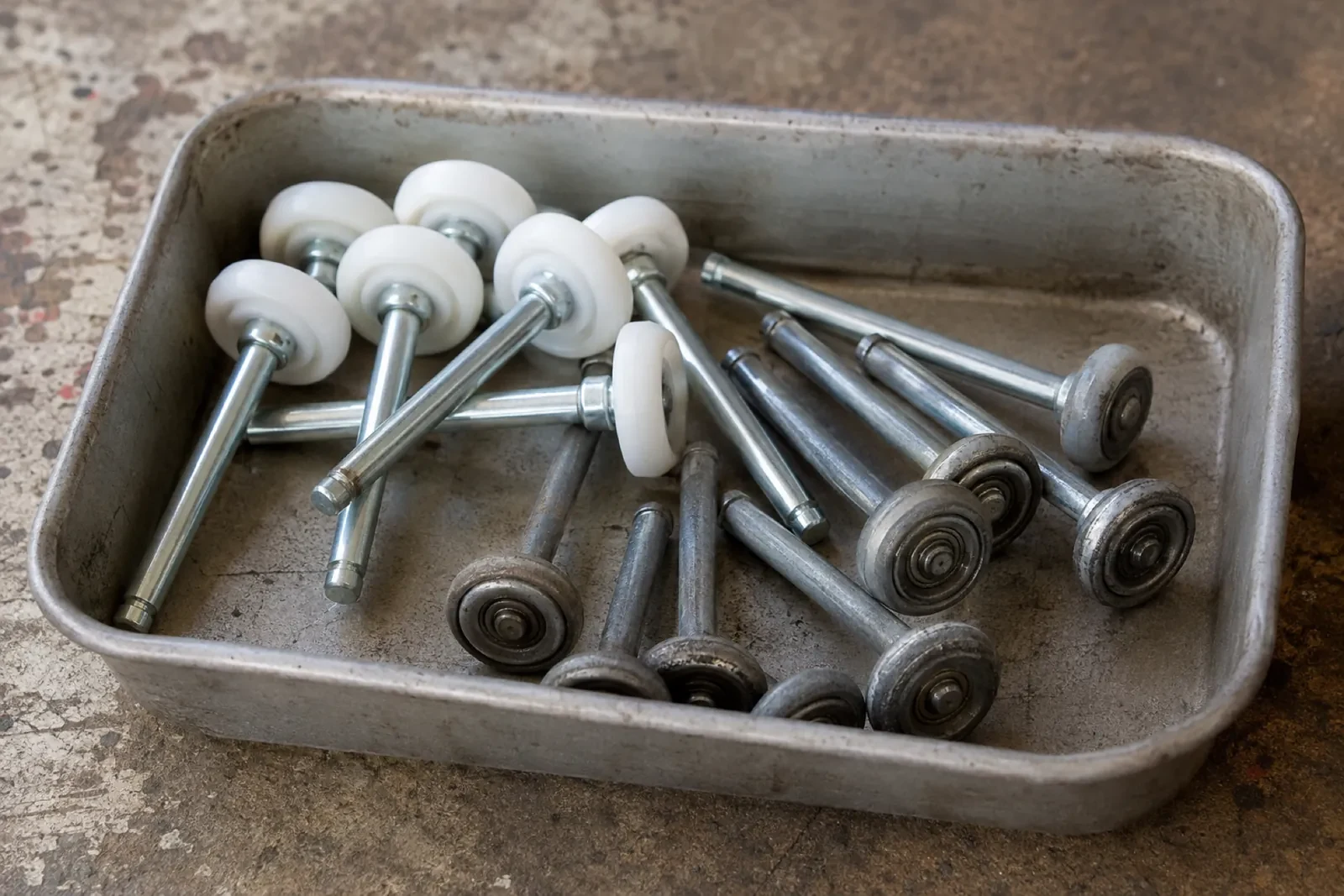
New rollers, hinges or bearings reduce play at the points that previously knocked or vibrated. Ongoing care means using the lubricant and interval stated for the installed door, applying it to moving pivots and bearings rather than coating the track. Tracks stay clean so rollers can travel on a firm surface without collecting grit. A simple note in the facility log describing the former sound and repaired location gives staff a reference. If a distinct noise returns at the same travel point, that observation makes follow-up assessment more focused.
Commercial Sectional Door Repair
In the van
Reinforcement struts
Bottom fixtures
Shafts and bearings
Torsion springs
Vertical and horizontal track
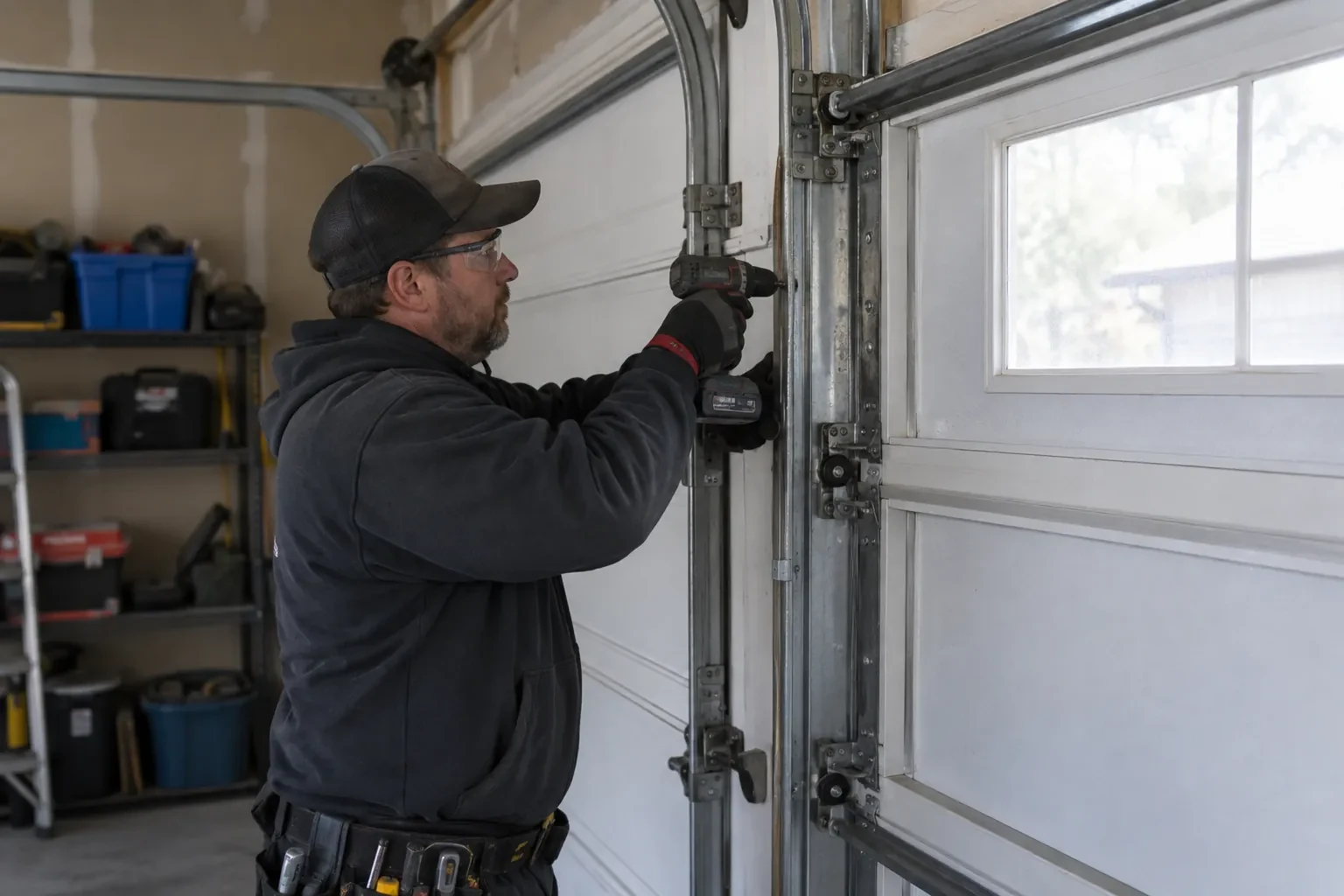
Commercial Sectional Door Repair
What affects the quote
Extent of impact transfer
A dent confined to one section differs from force that also bent an end stile, roller, guide rail, jamb bracket or supporting anchor.
Number of affected openings
A single bay with one defined fault differs from a facility request covering several numbered doors, separate symptoms and individual operational tests.
Section construction and finish
Steel, aluminum, insulated sandwich and full-vision sections have different profiles, reinforcement, glazing and hardware patterns that affect matching and replacement scope.
What to have ready
- Was there a vehicle, forklift or load impact?
- Which controls or sensors show unusual behaviour?
- Is the door closed, open or stopped between positions?
Commercial Sectional Door Repair: questions
QuestionsCan several doors be assessed during one facility visit?
Yes. Numbering each opening and providing a short symptom list keeps the assessment organized. The technician can define the requested repair for the affected door and record visible conditions on comparable doors separately. Shared model data and installation history may help with parts planning, while each opening still receives its own mechanical and control checks before any work is scoped.
How should a repaired door be lubricated?
Use the product and interval specified by the door manufacturer. Hinges, roller bearings, shaft bearings and springs may have defined lubrication points, while track generally benefits from being clean rather than coated with material that holds grit. High-use openings may need a different schedule. The service record can note what was applied and where for consistent future care.
What should be recorded after the work is finished?
Keep the door asset number, date, reported symptom, diagnosed cause, parts installed, adjustments made and functions tested. Spring, cable, panel and operator identifiers are especially useful for later service. Notes about impact location, corrosion or unusual cycle demand add context. A precise record helps facility staff compare future changes and prepare relevant information for the next visit.
Related services
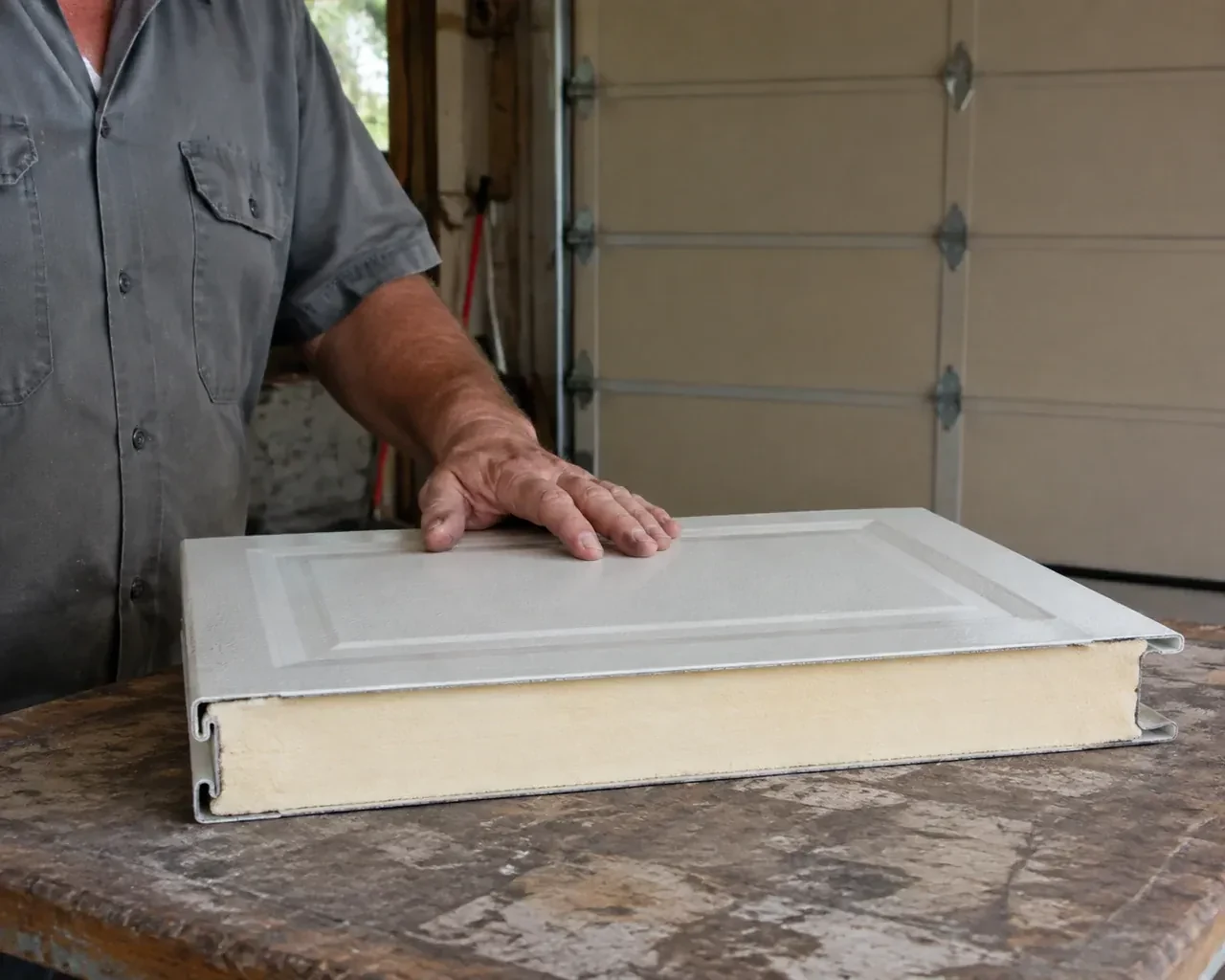
- Insulated Steel Garage Door InstallationA refreshed exterior has made the faded garage door stand out.
- Wind-Rated Garage Door ReplacementNew windows would improve the door's appearance, but they also change the section layout and reinforcement pattern.
- Carriage-House Garage Door InstallationYour garage door works, yet its broad plain panels feel disconnected from the brick, gables and entry details around them.