New Doors · Wellington North
Wind-Rated Garage Door Replacement in Wellington North
New windows would improve the door's appearance, but they also change the section layout and reinforcement pattern.
In plain words
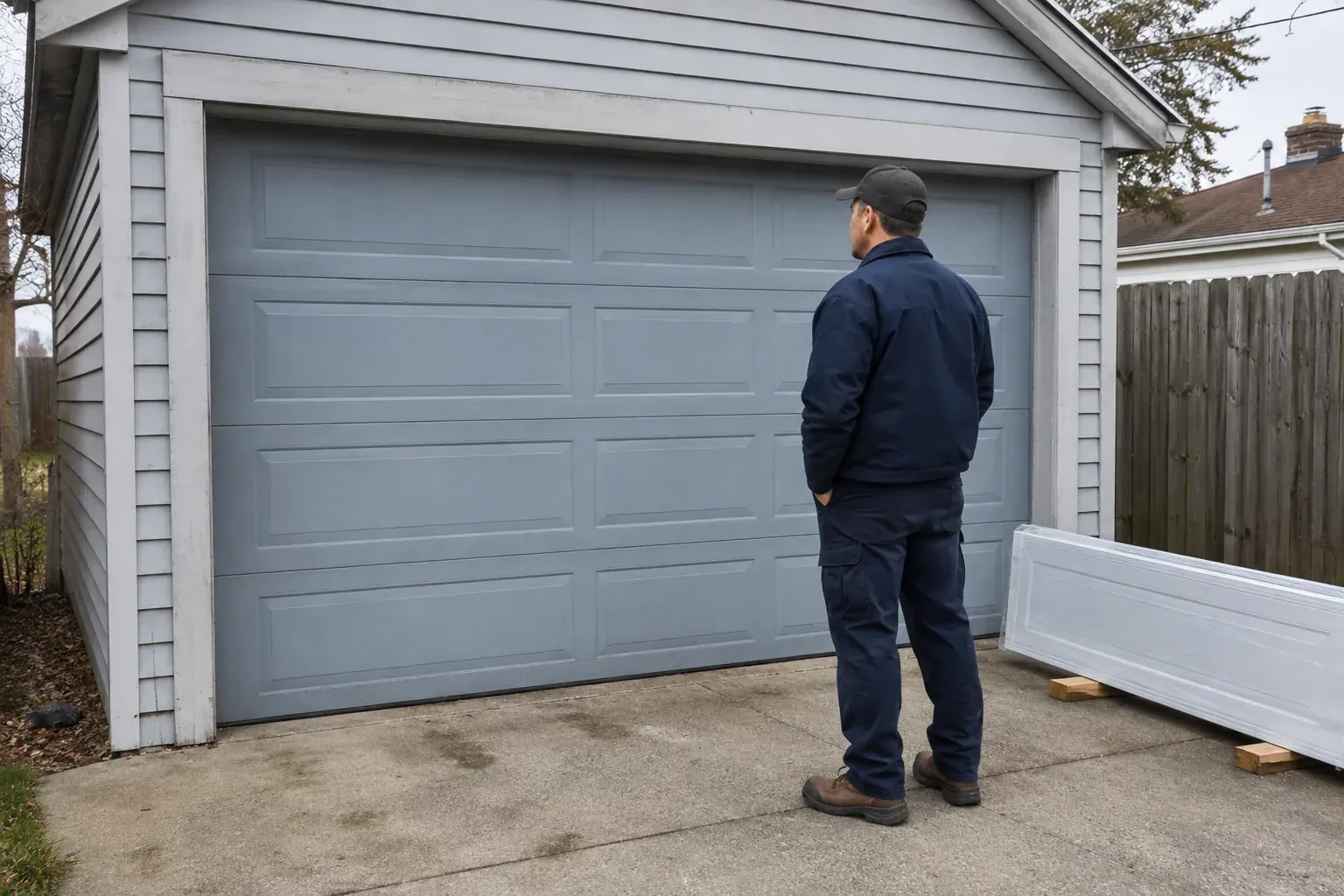
Changing from two single doors to one double door affects more than curb appeal. The broader span changes how the door bends under pressure and how forces reach the side jambs. Replacement planning therefore starts with the new finished dimensions, structural framing, required design pressure, headroom, and operator location. A matching reinforced door package is then installed with its specified track and attachment details. Springs are sized for the finished weight, seals are set against the opening, and the operating system is tested after the conversion work is complete.
How the visit goesYour building designer has supplied positive and negative pressure values for the garage opening. The old door was selected years ago without that documentation, so the next step is a replacement whose full configuration can be matched to those criteria.
Wind-Rated Garage Door Replacement
How the visit goes

Read the existing door's clues
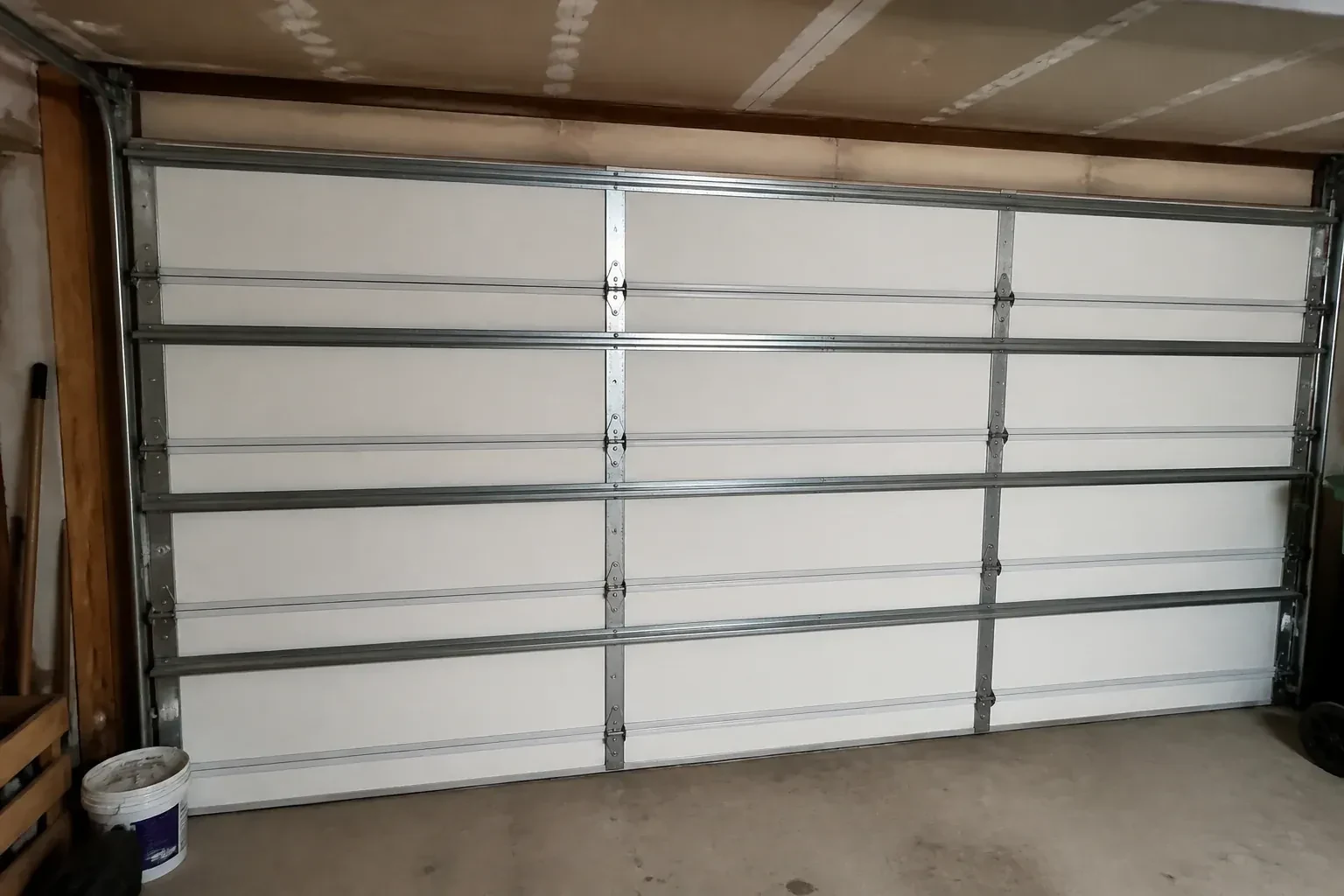
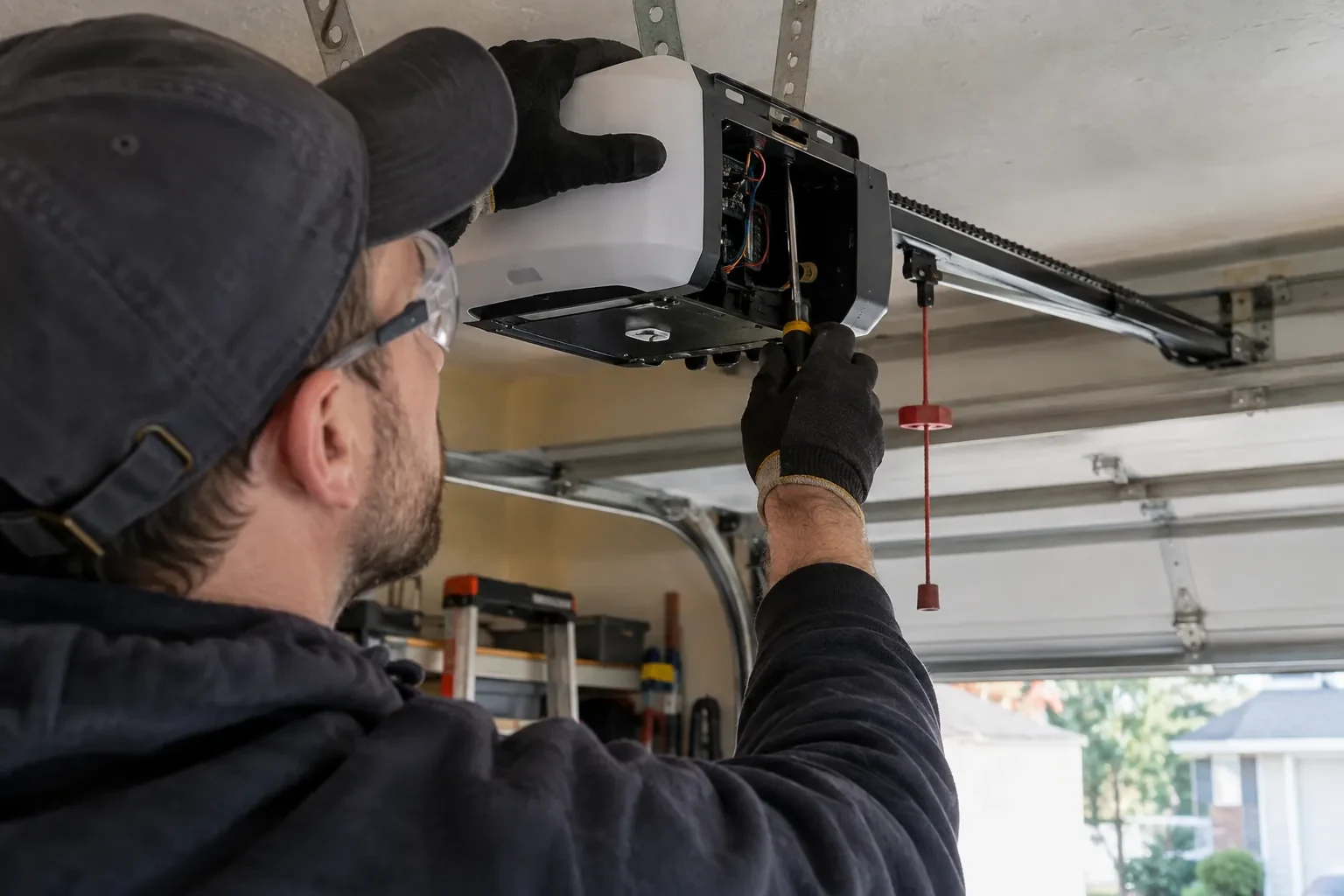
Labels, model information, strut locations, track thickness, roller stems, hinge condition, and anchor spacing reveal how the current system was assembled. Creases near hinges, elongated fastener holes, rubbed track edges, or a centre section that remains bowed help show where movement has occurred. The technician also asks what happens during gusts and whether the behaviour changed after a particular event. This inspection guides removal planning and helps distinguish ordinary wear from conditions the new configuration should address.
Complete a documented handover
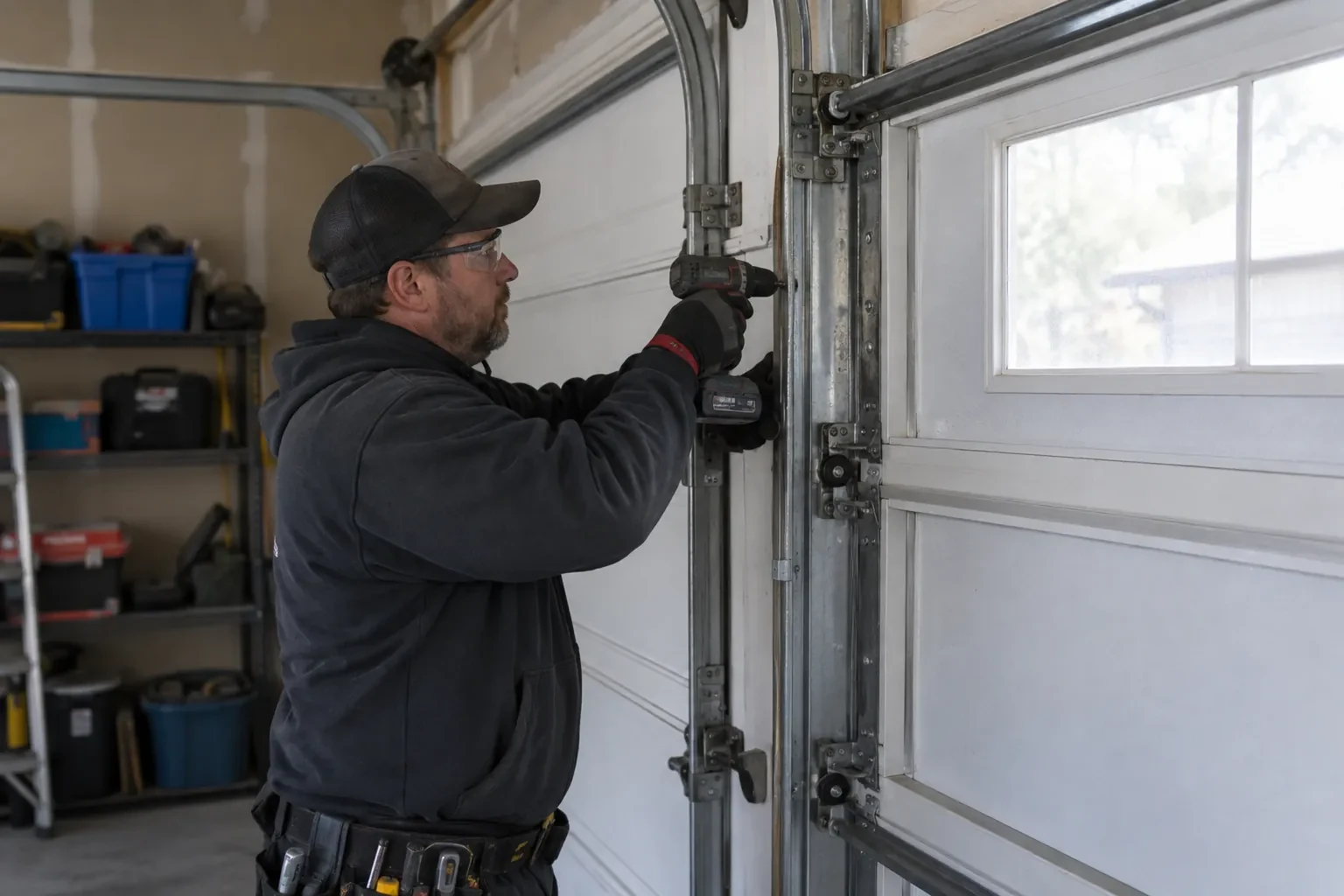
The finished system is inspected with the door closed, partly open, and fully raised. Technicians verify roller position, hinge and strut fasteners, track clearances, cable seating, spring balance, seal contact, locks, and operator behaviour. Labels and installation information are photographed or recorded, along with the door configuration and any coordinated framing work. The owner receives operating guidance and the relevant documents, creating a useful reference when future maintenance calls for matching hinges, rollers, reinforcement, or other components.
A steadier wide opening
The completed door brings sections, reinforcement, tracks, rollers, brackets, and anchors together as a system selected for the opening's criteria. During ordinary use, it should travel in a controlled line and close squarely against the perimeter seals. In windy weather, the purpose of the added structure is to manage pressure across the broad surface and carry those forces into the jambs. Owners can simply observe from indoors and report any new flex, rubbing, or hardware movement for assessment.
Wind-Rated Garage Door Replacement
In the van
Perimeter weather seals
Torsion springs and shaft
Lift cables and drums
Long-stem rollers
Winding bars and levels
Wind-Rated Garage Door Replacement
What affects the quote
Required design pressure
The project's inward and outward pressure criteria shape which complete door assemblies are suitable, including their reinforcement, tracks, hardware, and attachment details.
Insulation and finish
Thermal construction, interior backing, panel profile, exterior colour, decorative elements, and corrosion-resistant finishes determine the selected door sections and related hardware.
Opening width and height
Door area and span influence section construction, reinforcement, track layout, spring sizing, material handling, and the documented configurations available for the project.
What to have ready
- What type and age is the existing garage door opener?
- Are you changing the size or structure of the opening?
- What are the approximate width and height of the opening?
Wind-Rated Garage Door Replacement: questions
QuestionsCan reinforcement be added to my current door instead?
Sometimes a door manufacturer provides a documented reinforcement arrangement for an existing model and size. Adding generic struts does not create a known rating by itself because tracks, rollers, hinges, anchors, sections, and jamb connections also share the load. The existing label and construction should be identified before deciding whether a supported upgrade path exists or replacement is more appropriate.
Can a similar-looking hinge or roller be substituted later?
Appearance is not enough to establish equivalence. Metal thickness, strength, hole pattern, roller stem length, bearing design, and fastener placement can differ in ways that affect both movement and structural performance. Future service should use the door record and applicable component guidance to match parts, preserving the intended arrangement instead of relying on a visual comparison.
Why does the technician inspect the jambs and framing?
Door loads travel through the tracks and brackets into the jambs, then into the building structure. Soft wood, split material, loose blocking, shallow anchors, or unsupported trim can interrupt that path. Inspecting the mounting surfaces shows whether ordinary preparation is sufficient or whether structural work should be coordinated before the new system is attached.
Related services
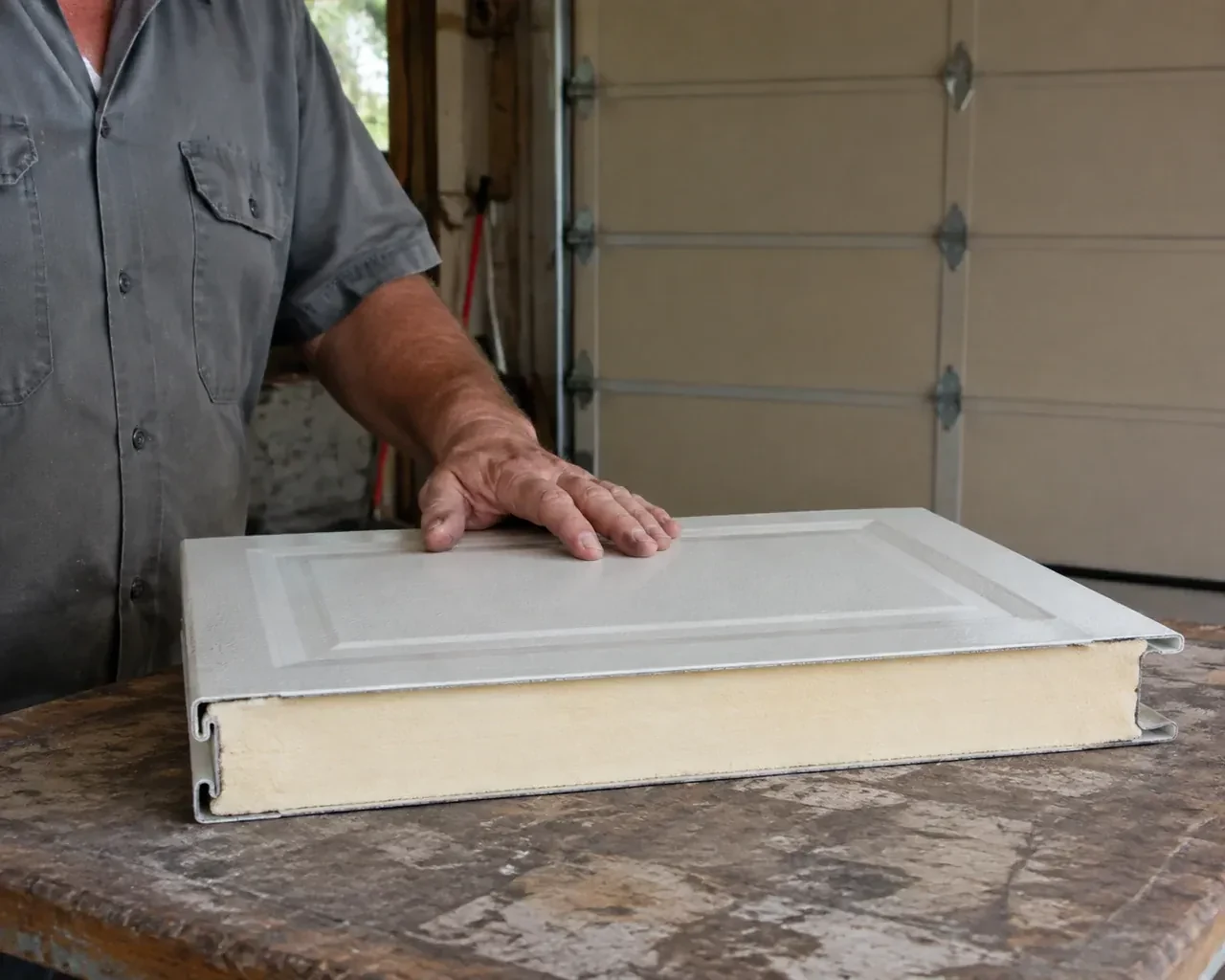
- Insulated Steel Garage Door InstallationA refreshed exterior has made the faded garage door stand out.
- Carriage-House Garage Door InstallationYour garage door works, yet its broad plain panels feel disconnected from the brick, gables and entry details around them.
- Full-View Glass Garage Door InstallationA heated garage feels cold beside its ageing door each winter.